
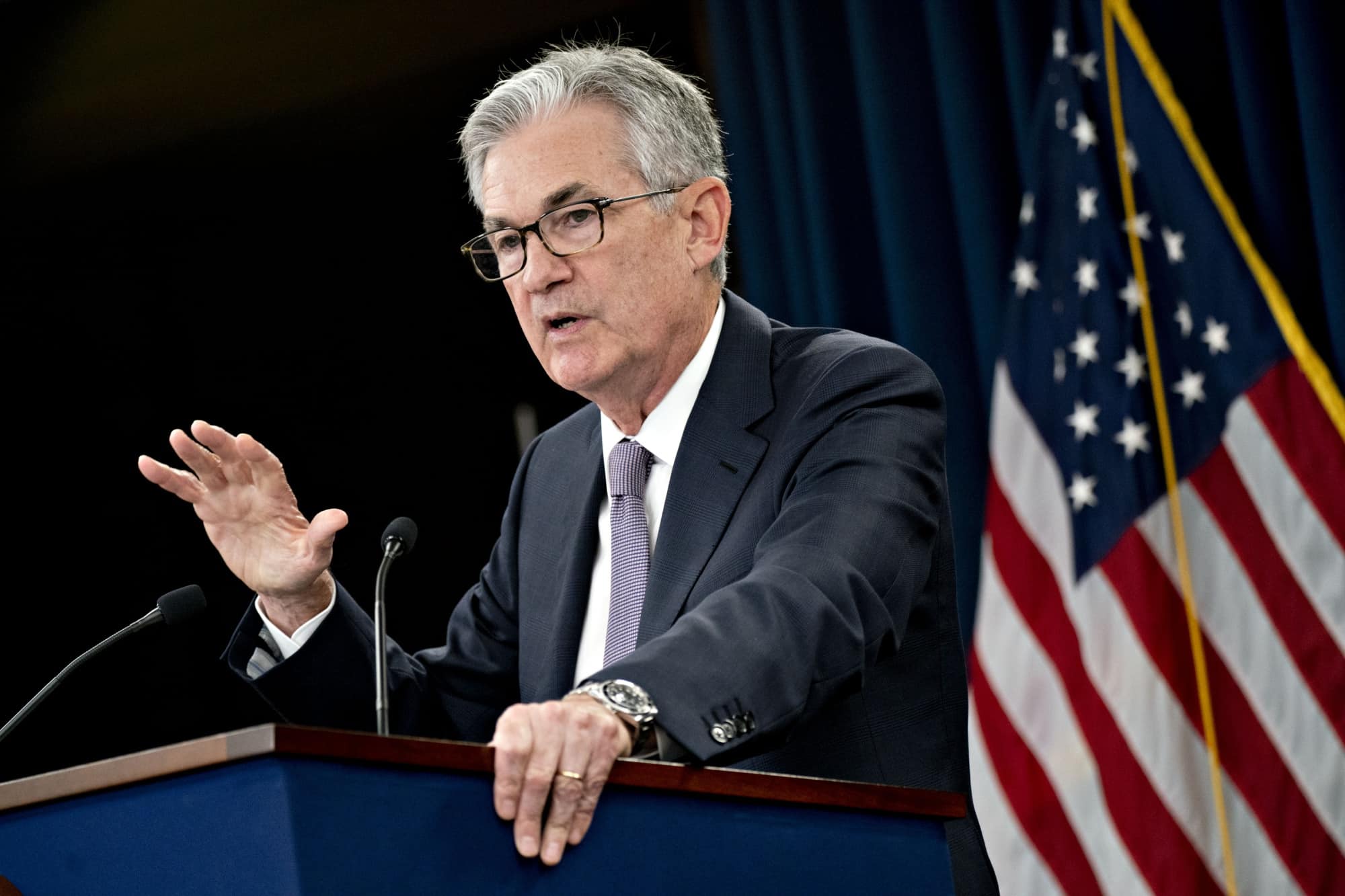
The U.S. Federal Reserve, together with the Federal Deposit Insurance Corporation (FDIC) and the Office of the Comptroller of the Currency (OCC), released a Frequently Asked Questions (FAQ) document to the banking industry, specifying the regulatory capital treatment of tokenized securities. The move applies a technology-neutral principle: the legal nature and risk profile of a financial asset determine capital rules, not its form of issuance or the technology platform used.
Tokenized Securities Face Same Capital Charges as Traditional Ones
Under the bank regulatory framework, capital adequacy is a core metric. Banks must hold a certain proportion of high-quality capital and liquid assets to absorb market shocks. The regulators clarified that if a security qualifies as a permissible financial asset, its tokenized version does not alter capital calculations. For example, a tokenized bond or stock on a bank's balance sheet is subject to exactly the same capital charge as its non-tokenized counterpart. This means tokenized securities will not face extra capital burdens or stricter treatment due to their technological format.
Blockchain Type Irrelevant for Capital Treatment
The regulators explicitly noted that the type of blockchain—whether permissioned or permissionless—does not affect capital rules. As long as the underlying asset meets the definition of a traditional security, the capital treatment remains consistent. This clarification removes compliance uncertainty for banks deploying different blockchain infrastructures.
Tokenized Asset Market Growing, Regulators Catching Up
Financial institutions have been actively converting stocks, bonds, and real estate into blockchain-based digital tokens to boost efficiency and liquidity. Data from RWA.xyz shows the global tokenized real-world asset (RWA) market is around $26.25 billion, with tokenized U.S. Treasury products dominating. The tokenized equity market stands at about $1.1 billion, still nascent. Some platforms already offer tokenized equity products in Europe, allowing investors to trade tracking assets of traditional listed companies via blockchain.
Earlier this year, the U.S. Securities and Exchange Commission (SEC) affirmed that tokenized securities fall under federal securities laws, requiring registration, disclosure, and investor protection. The Fed's FAQ complements that stance by providing bank-level capital rule clarity.
Signal: Traditional Finance and Blockchain Integration Accelerates
For years, U.S. bank regulators were cautious about crypto and blockchain, creating uncertainty for institutions. With rising institutional interest in tokenized assets, regulators are gradually mapping existing rules to blockchain assets. The core takeaway: tokenized securities won't face discriminatory capital treatment due to technology, giving banks a clearer path to engage in tokenized asset custody, trading, and investment.