
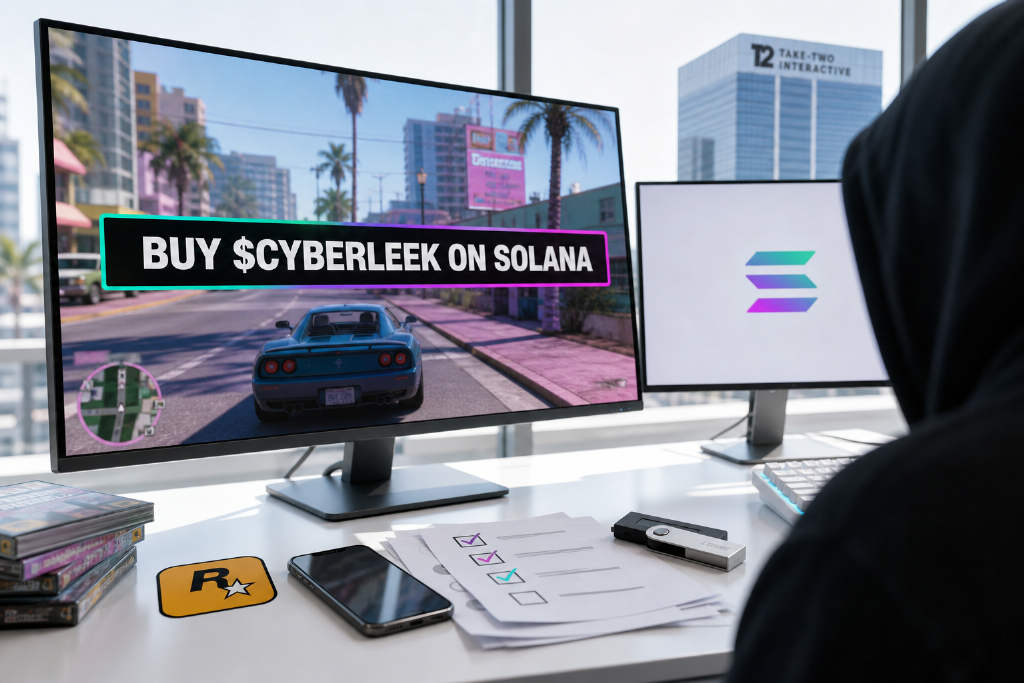
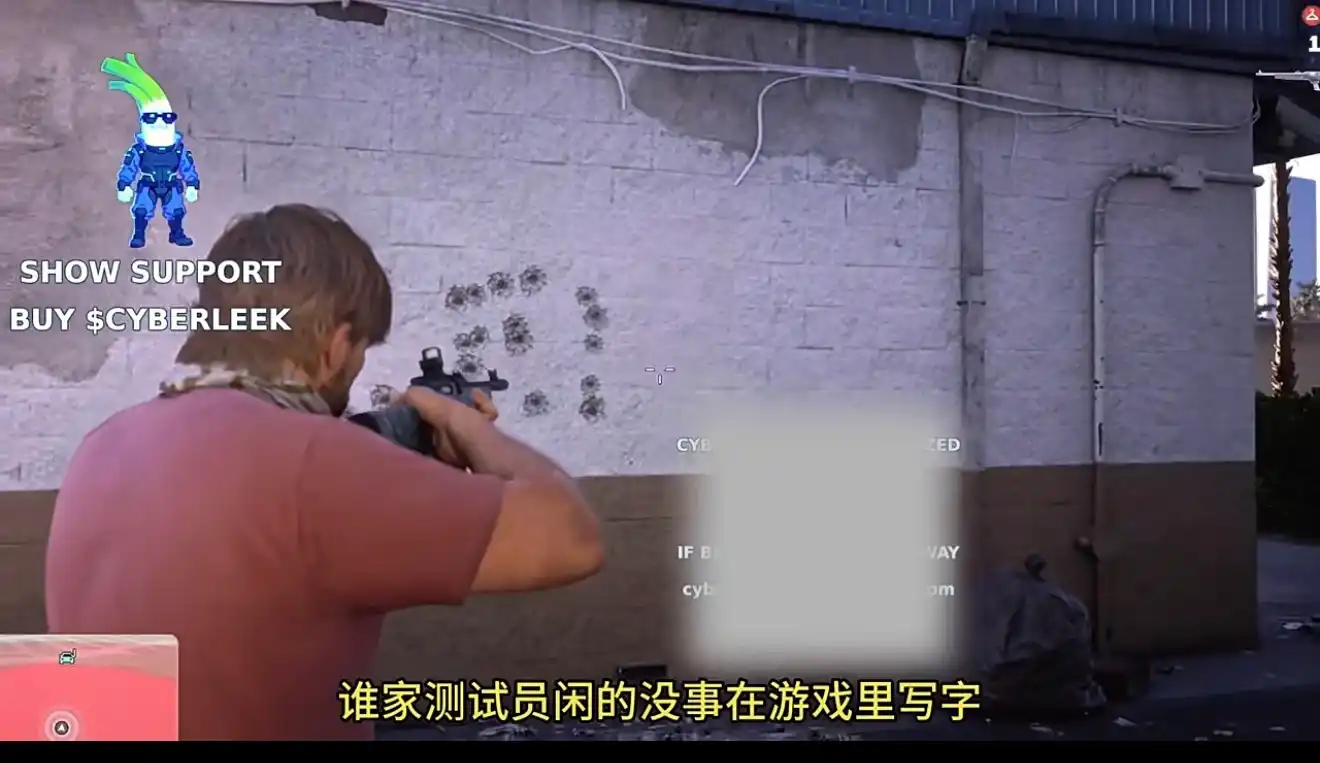
An anonymous group calling itself CyberLeek began releasing alleged Grand Theft Auto VI development footage on Aug. 18, but the leaks did not circulate on their own. Each clip carried direct promotion for a same-named meme coin, $CYBERLEEK, with an on-screen banner urging viewers to buy the token on Solana. The group also tied future leak decisions to token voting, turning attention around the game into a mechanism for collecting coins.
According to a MarsBit article by Claude at TechFlow, GTA 6 remains one of the most anticipated game releases of the past decade. The article says its trailer has logged more than 100 million views on YouTube, that publisher Take-Two Interactive is set to release the game on Nov. 19, 2026, and that Netflix is scheduled to host an official extended gameplay preview on Aug. 27.
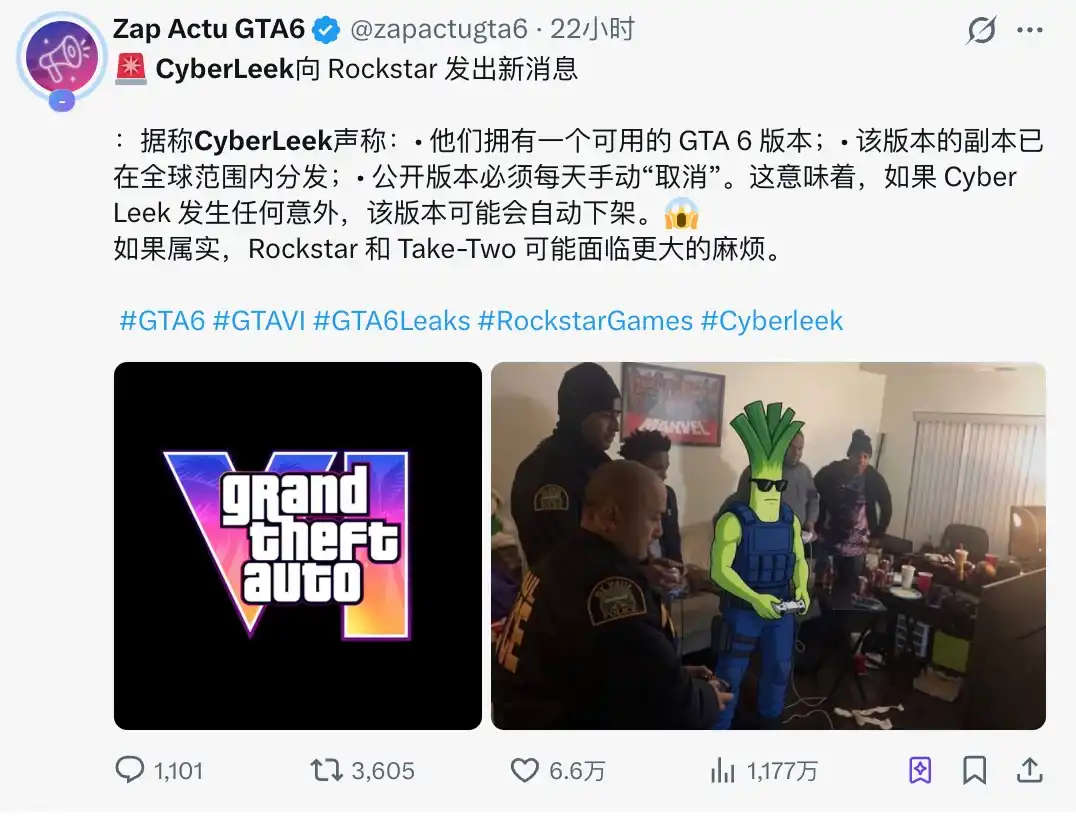
CyberLeek claims it obtained the game in advance and has already published playable-looking footage rather than conventional trailer material. The group also said it would release the full leaked build if its own security were threatened. The article frames that as a direct threat to the game’s commercial rollout.
On-chain timeline places the token ahead of the leak
The report says $CYBERLEEK launched on Solana on Aug. 15. Its market cap peaked at 15M and was around 12M at the time of publication.
On-chain records cited in the article point to a Solana wallet beginning with “3YLNDXnV,” which made 10 transfers between Aug. 14 and Aug. 15 to cover three sets of costs. The first was 1.0 SOL, about $80, for the CyberLeek domain name. The second was 39.69 SOL, about $3,000, to create the token and build the liquidity pool. The third was 4.61 SOL, about $400, sent to an account later used to distribute the leaked content.
The article says all three payments came from the same wallet, linking the domain, token launch, and leak distribution infrastructure to one operator group.
At 17:20 on Aug. 15, the token was created on Solana. At 17:23, 1 billion tokens were minted in a single batch. At 17:30, 270 million tokens, or 27% of supply, were moved into a separate reserve account. Later that day, the creator gave up mint authority. At 00:07 on Aug. 16, a liquidity pool went live with 730 million tokens and 330 SOL, about $27,000, and that liquidity was locked 19 minutes later.
The first leaked game content appeared at 01:08, beginning with a game map. That placed the token launch 7 hours and 47 minutes ahead of the first leak. The article describes the full setup as having been assembled in less than a day.
Every clip released after that carried the same watermark, QR code, and token reference. The article cites game outlet vgtimes as saying several videos appear to have been processed with the same software before publication, with the banner embedded into the footage itself rather than added as text in a post description.
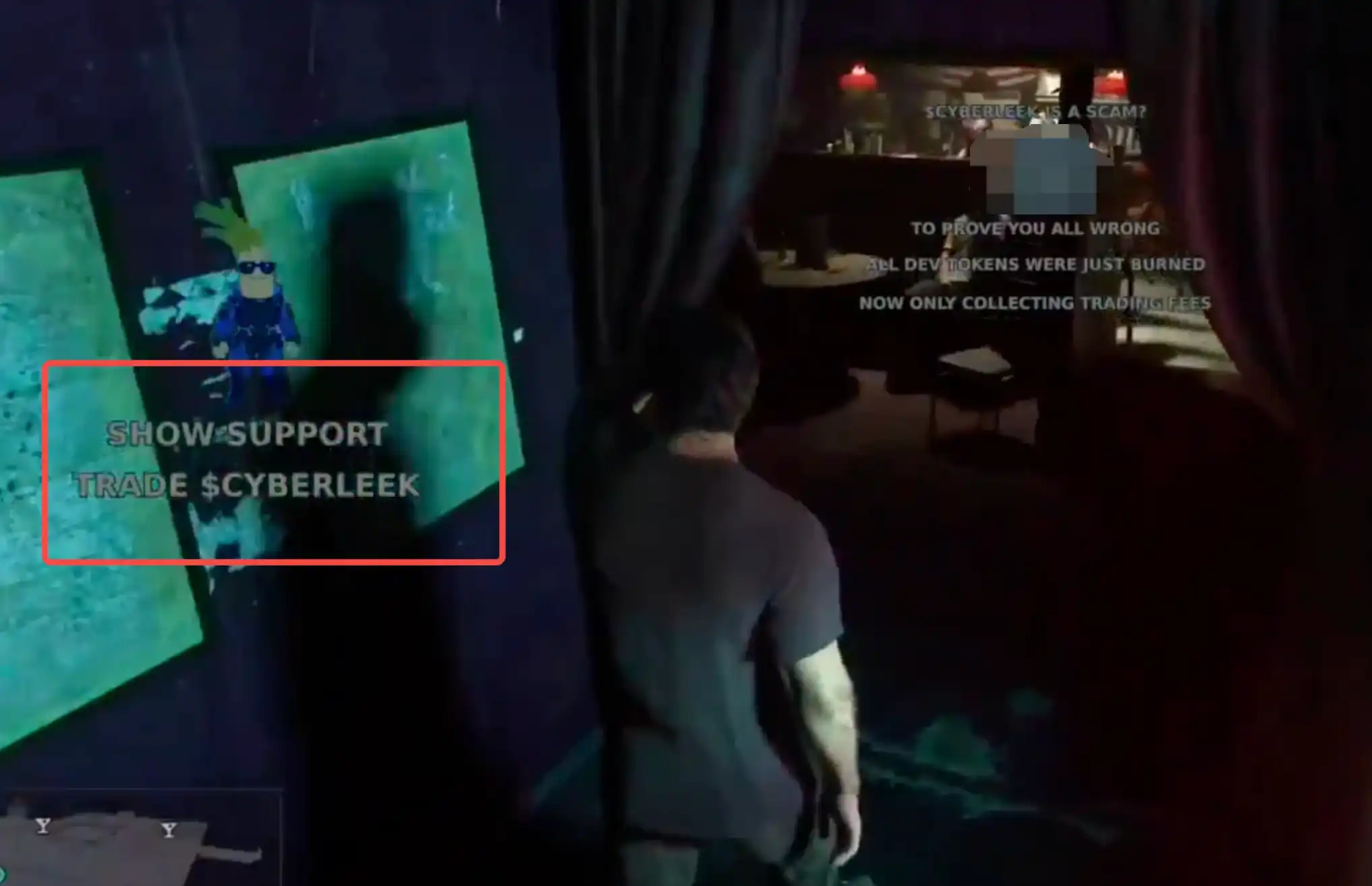
By Aug. 22, CyberLeek had released eight GTA gameplay segments, including supercar driving, combat, indoor scenes, and outdoor scenes. In one clip, the operator used the in-game character to shoot the word “LEEK” into a wall, which the article says was meant to show the build was genuine and interactive.
Voting required sending tokens to the project
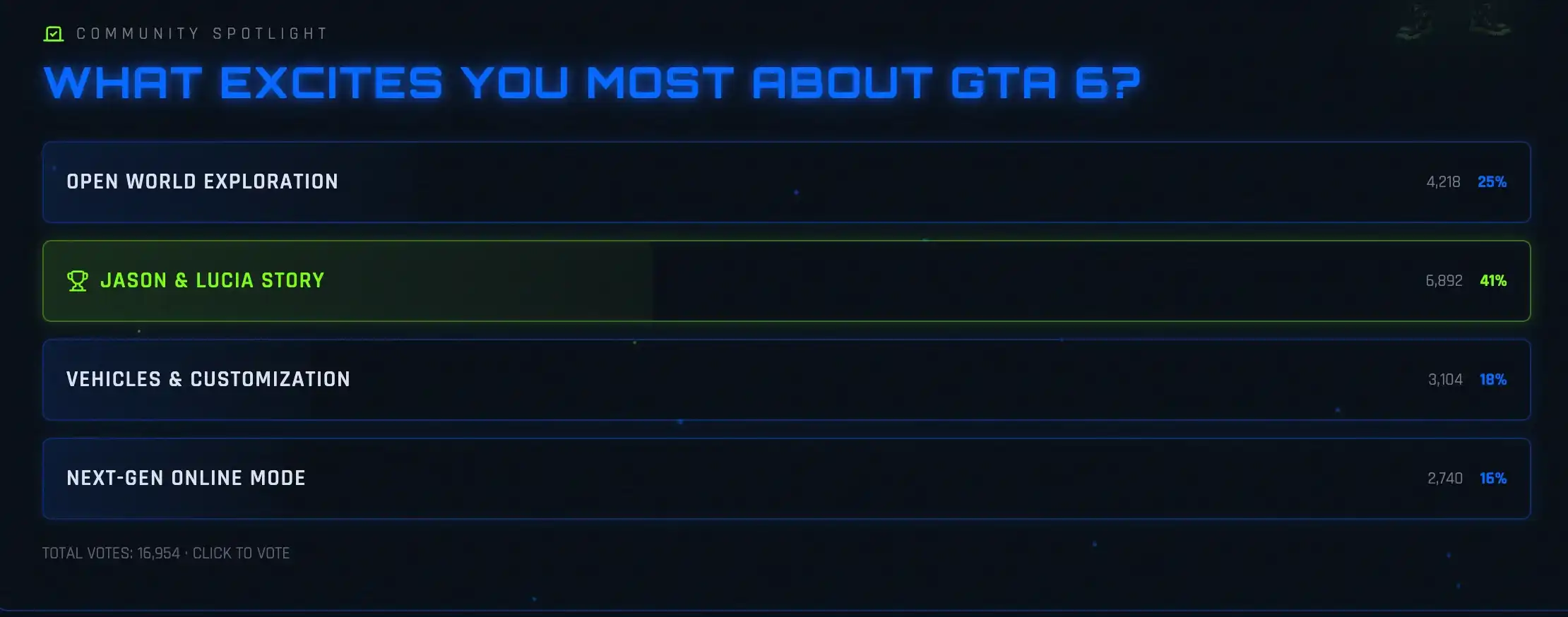
CyberLeek’s website included a voting function that let users decide what kind of footage would be released next. Voting was not handled through a standard poll. Instead, users had to send $CYBERLEEK to a designated wallet, with one token equal to one vote. Once sent, those tokens belonged to the project.
The article says tech outlet Comic Vibe documented one full vote. Users chose among four options: daytime cars, nighttime cars, nighttime motorcycles, and daytime planes. The plane option won with more than 147,000 tokens, representing 64.4% of all votes. CyberLeek later released footage of a plane flying over Vice City, again ending with “LEEK” in the clip.
Comic Vibe’s conclusion, as cited in the report, was direct: the setup functioned as a self-reinforcing business model. GTA 6 leak material created interest in the token, and anyone wanting to influence the next leak had to buy and spend that token.
CyberLeek publicly described its actions as standing up for players. The article says the group criticized publishers for pushing digital-only purchases instead of physical discs, which can be resold after use, and for charging again for content that players believe should have been included in the game.
Still, the article argues that the on-chain record points to a clearer story: the token itself had already started to generate revenue.
Supply design and permissions were presented as credibility signals
The token’s total supply was set at 1 billion. The article says the project highlighted three features on its website as proof of credibility: locked LP, revoked mint authority, and revoked freeze authority.
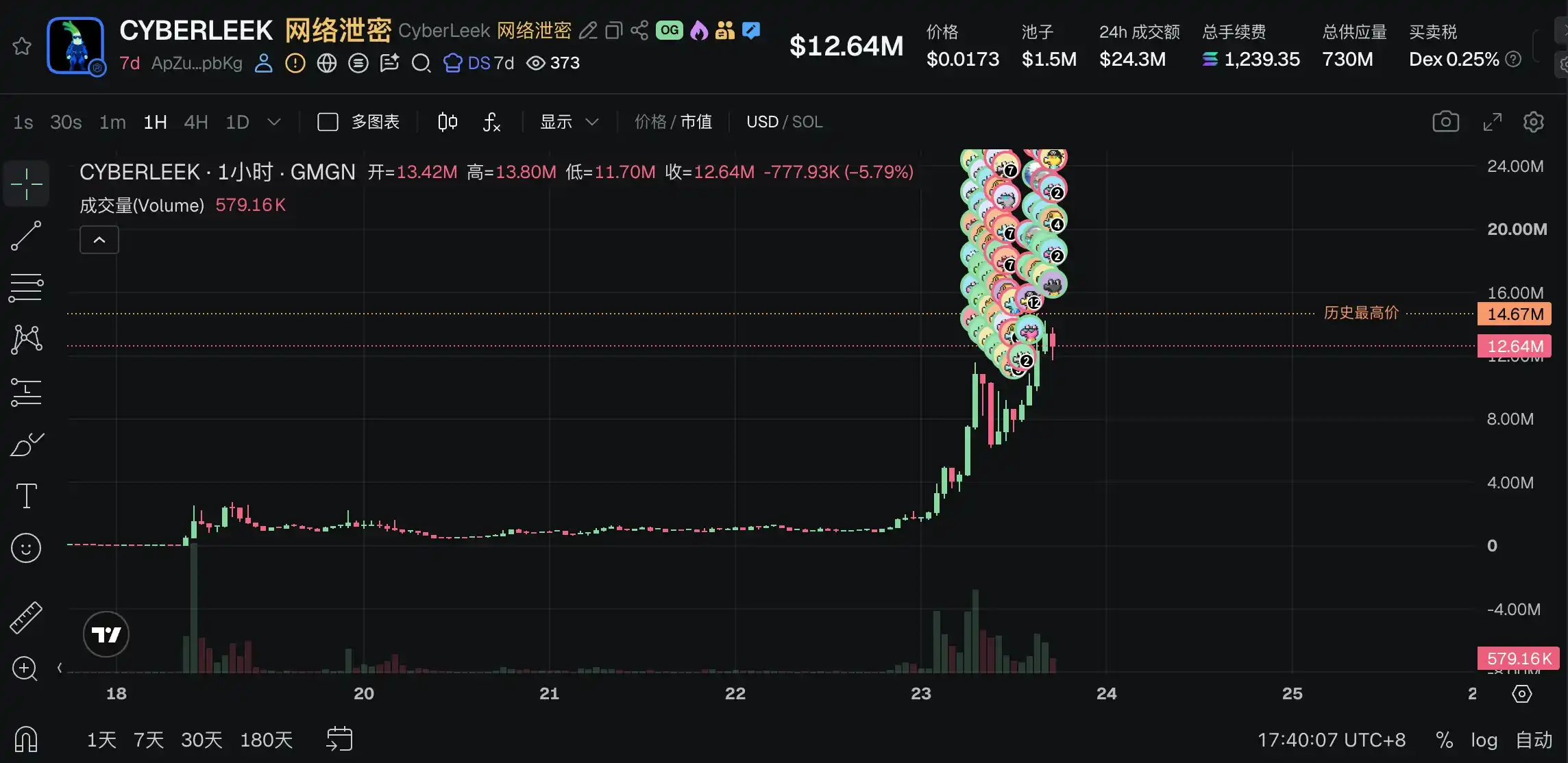
On the surface, that made the token look different from a project that could pull liquidity at any moment. Even so, wallet concentration remained high. The top 10 wallets held 51.6% of total supply. Some of those wallets may have belonged to pools or bots, the article notes, but the concentration still meant that a small number of addresses could move price materially.
$15 million in first-day volume and about $30,000 in fees
A GTAForums user named Vice Cit worked through the project’s financial model, according to the article. He estimated CyberLeek’s upfront outlay at roughly $29,000, largely covering the website, token issuance, and liquidity injection.
Revenue came from transaction fees. The article says the project took 0.21% to 0.25% of the value of each $CYBERLEEK trade. On the first day alone, trading volume reached $15 million, producing about $30,000 in fee income.
The same report breaks that cost base down more sharply. Of the roughly $29,000 spent upfront, about $27,000 was placed into the liquidity pool. That capital was locked, but the assets were still effectively the project’s. The money actually spent and gone was limited to the $80 domain registration, about $3,000 for token creation, and about $400 sent to the distribution account, for a total below $3,500. By that measure, first-day fee income ran at more than eight times the project’s actual cash expense.
After launch, daily trading volume reportedly settled around $2.1 million, generating about $4,400 per day in fees. Through Aug. 22, cumulative fee income was estimated at $40,000 to $60,000. That did not include the 270 million reserved tokens, which the article valued at about $390,000 at then-current market prices.
Token burn removed 27% of supply, but fee flow stayed intact
Between Aug. 22 and Aug. 23, after facing accusations of trying to dump on buyers, CyberLeek sent about 270 million developer-reserved tokens to a burn address, permanently destroying 27% of total supply. The article puts the mark-to-market value of those tokens at roughly $1.04 million to $1.5 million at the time.
It says an on-chain screenshot valued the burn at exactly $1,043,550.95. CyberLeek described the move as proof that it would not dump and run.
The article also notes that liquidating such a large token position in one shot would have crushed the price, making a gradual sale the more plausible route if the team had wanted to cash out. Burning the reserve instead removed the overhang of a visible developer stack while keeping a different revenue stream untouched.
That stream was the token’s built-in buy and sell tax. According to the article, CyberLeek was still able to collect $40,000 to $70,000 in real fee income within a matter of days through retail trading friction alone. In practice, the article says, the group destroyed a seven-figure paper position to support trust while holding on to a fee channel worth several thousand dollars a day.
Ad sales and legal action emerged at the same time
The article says CyberLeek opened a second monetization path through ad placements. Anyone wanting to advertise in future leak videos had to pay a $165,000 consultation fee, which bought only a single email reply.
By that point, the operating logic no longer needed much interpretation in the article’s telling. Leak material was released in drops. Each new drop was followed by another burst of trading and another round of fee collection. Before publishing the next clip, the group would set a market-cap threshold, effectively telling the market that anyone who wanted to see more first had to help push the token higher.
Take-Two Interactive is also pursuing legal remedies. The company has filed subpoena requests in the U.S. District Court for the Southern District of New York seeking identity information tied to the case from Microsoft and Discord. The article says the court has already approved the subpoena directed at Microsoft.
It also cites posts on overseas gaming forums saying the issuing wallet’s funding source may be traceable to a cryptocurrency exchange that requires identity verification. If that exchange receives a subpoena, the account holder’s identity and full transaction records could in theory be obtained. The article adds that CyberLeek’s website is now inaccessible and its Telegram channel has been shut down.
Attention around a global IP was turned into a meme-coin engine
The article closes by arguing that $CYBERLEEK is not especially large in scale, but the playbook was complete. An anonymous group allegedly obtained leaked material tied to a global entertainment property, launched a token first, then stretched the attention cycle by releasing content in stages. Token voting turned spectators into buyers. The burn addressed concerns over a large reserve. Market-cap targets helped pull buying pressure back into the token.
On the numbers cited in the piece, less than $3,500 in actual cash cost was enough to support $15 million in first-day trading volume. The article also notes that meme coins have no practical utility and that their value depends entirely on attention and sentiment. If that attention fades, or if legal pressure starts to bite, later buyers may be left holding the risk.