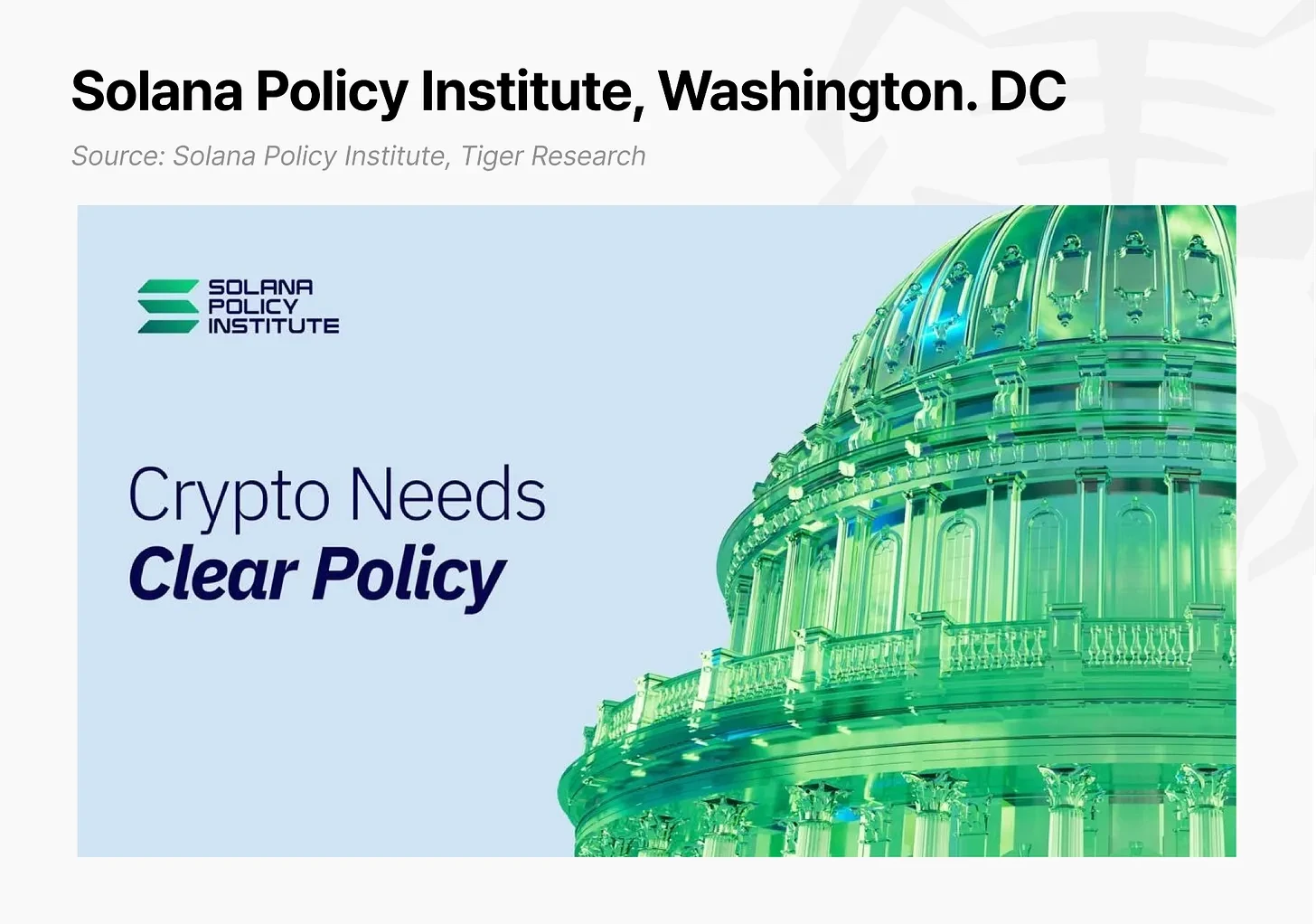
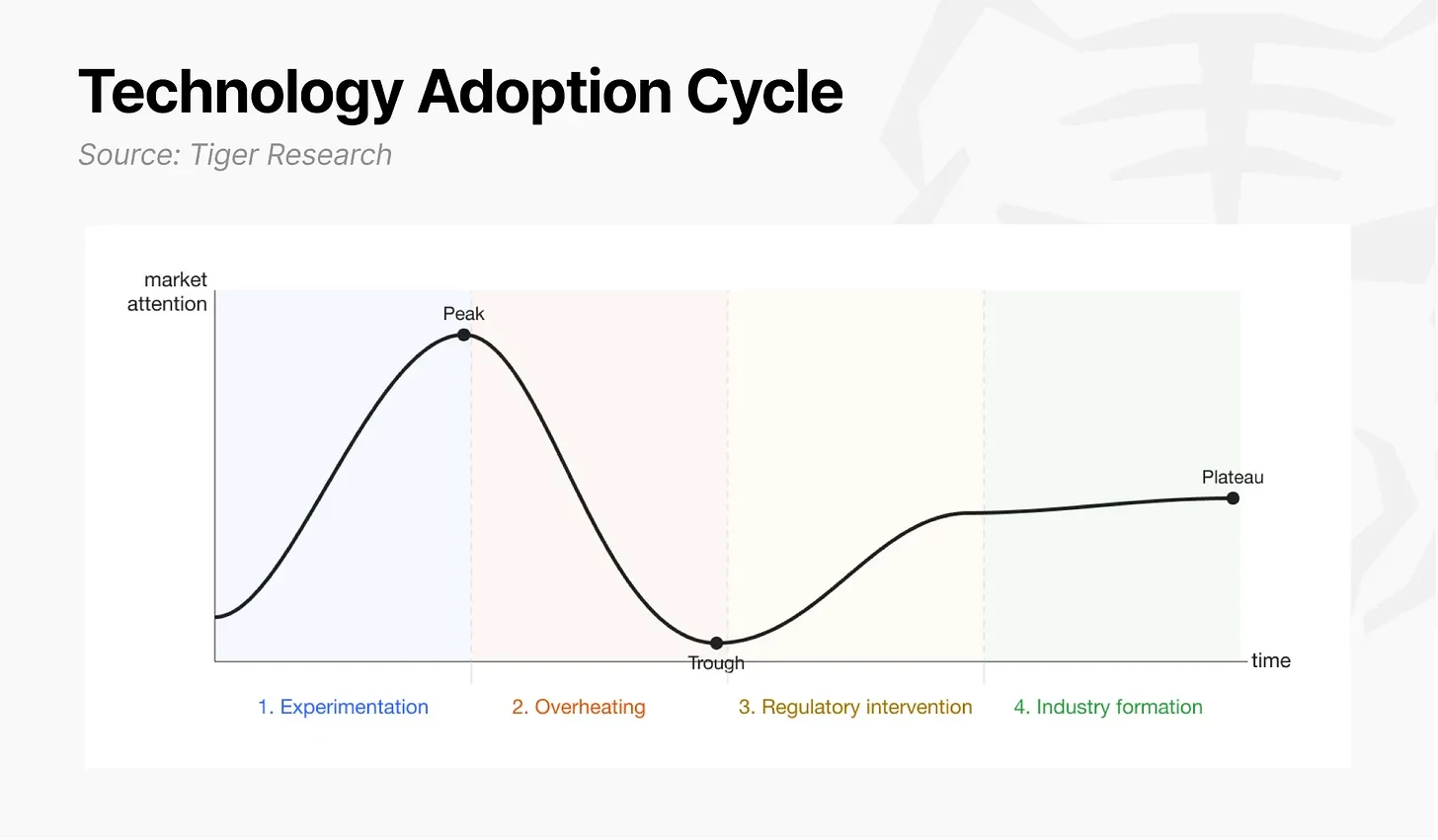
The crypto industry is at a critical inflection point, transitioning from regulatory intervention into industry formation. Historically, new technologies pass through four stages: experimentation, over-exuberance (bubble), regulatory intervention, and industry formation. After Bitcoin’s early proof-of-concept, the 2017 ICO frenzy, the 2021 DeFi boom, and the 2022 FTX collapse, speculative demand has been filtered out while real use cases have been validated. U.S. regulators have shifted from neglect to formalization, building a systematic framework.
What Are Internet Capital Markets?
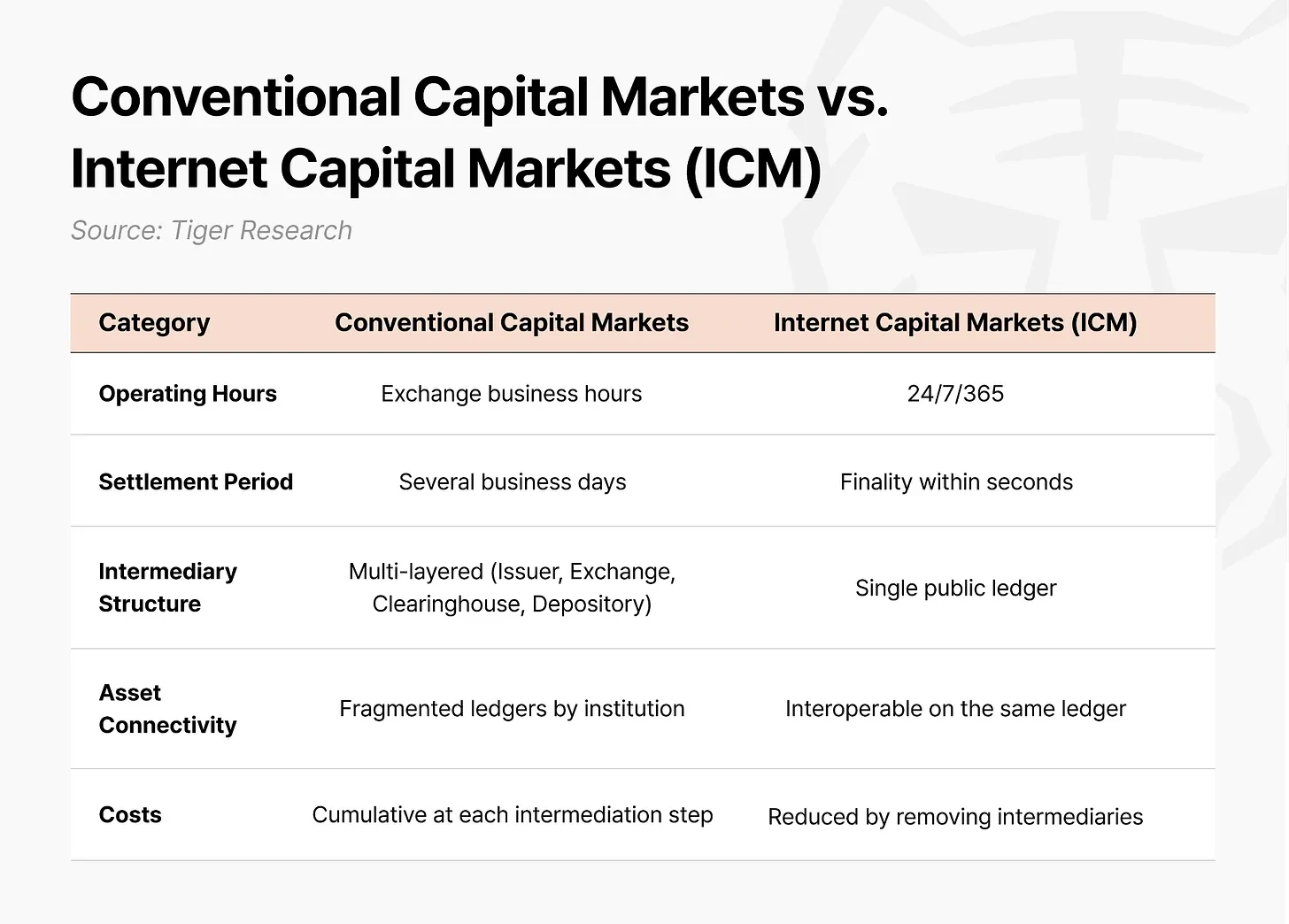
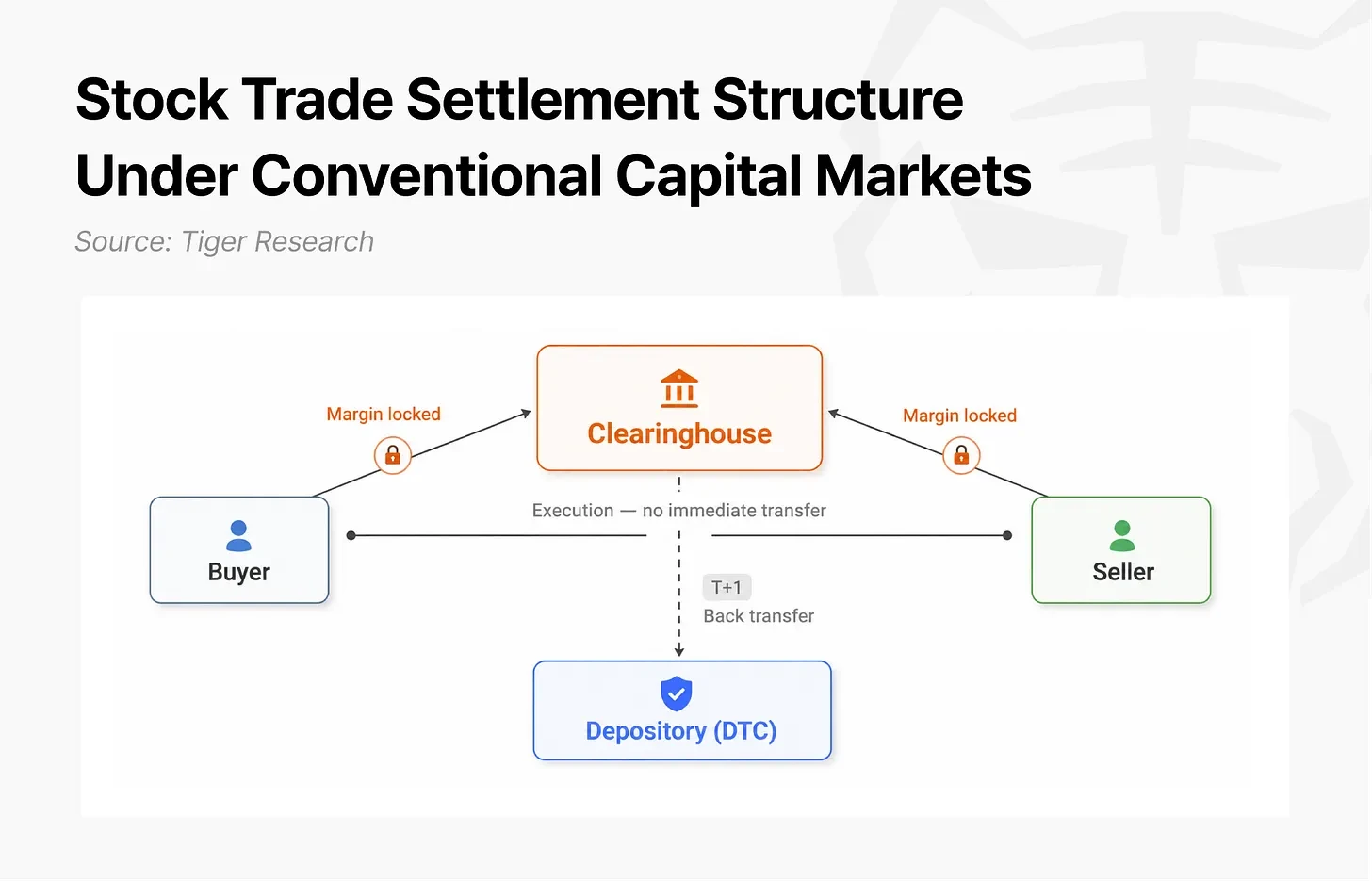
Internet Capital Markets (ICM) refer to a capital market where asset issuance, trading, and settlement all occur on a single public blockchain. Traditional capital markets operate on pre-internet architecture: settlement requires T+1 or longer, clearinghouses assume counterparty risk, and cross-border trades involve multiple intermediaries. In ICM, code replaces the clearinghouse: buyer payments and seller assets are placed into a smart contract and executed as a single transaction. If either party’s conditions are unmet, the entire trade cancels automatically. Settlement is real-time in seconds, eliminating the need for margin, reconciliation, and custodial layers.
Breakthroughs in U.S. Regulatory Framework
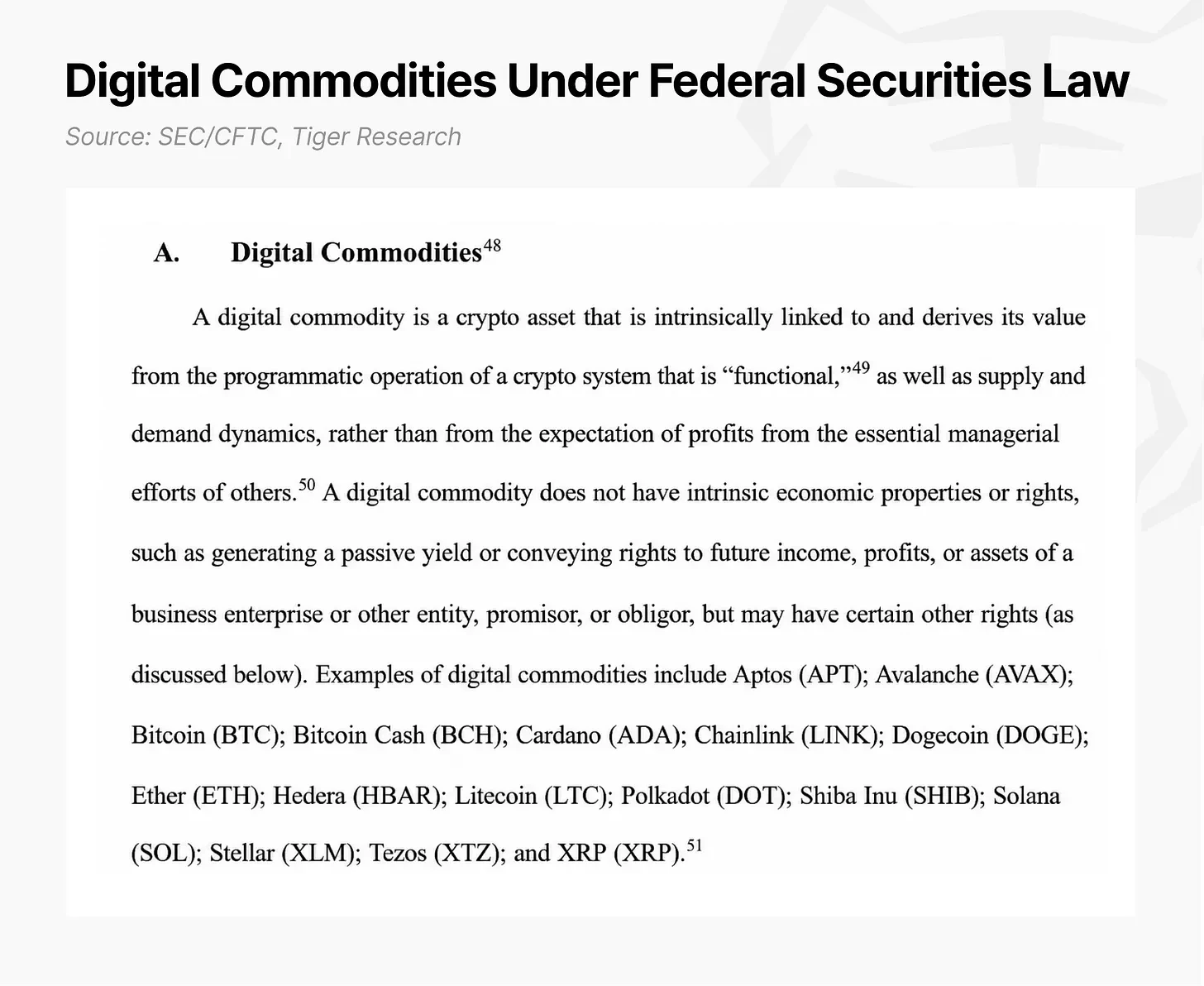
2026 witnessed landmark regulatory progress. Congress passed the GENIUS Act, providing legal clarity for stablecoins as a standalone asset class and imposing federal licensing standards. In March 2026, the SEC and CFTC jointly issued guidance classifying 16 assets, including Solana (SOL), as digital commodities, replacing the binary "security/non-security" approach with a five-category framework and explicitly excluding protocol staking from securities regulation. Additionally, the SEC approved Nasdaq to trade certain securities in tokenized form, and DTCC confirmed a limited pilot starting July with full launch in October, covering Russell 1000 stocks, major index ETFs, and U.S. Treasuries.
Institutional Practices: Real-World Cases on Solana
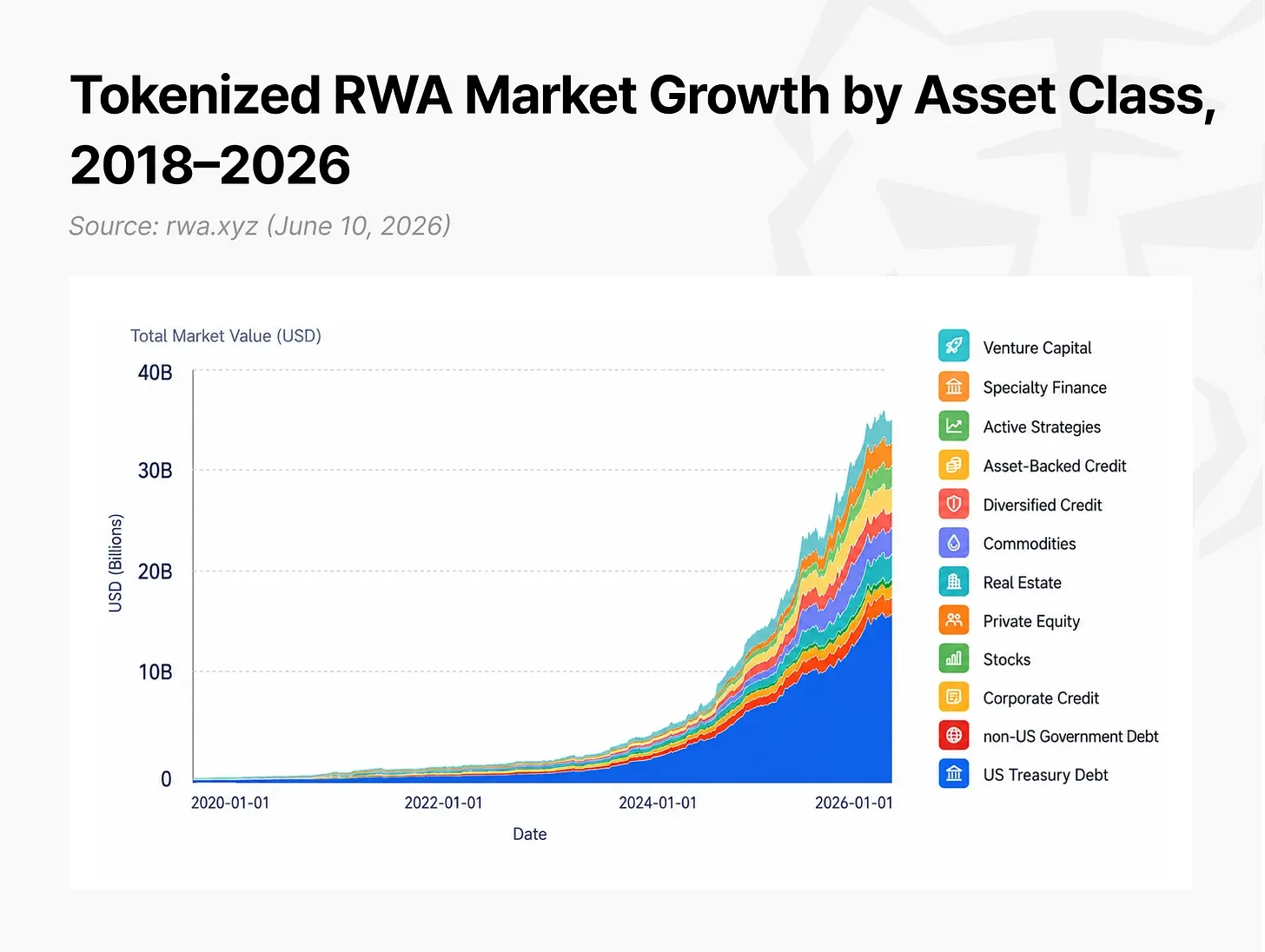
Institutional adoption is accelerating across multiple fronts. The tokenized RWA market grew from $5.4 billion in early 2025 to $19.3 billion by end of March 2026 (257% increase); adding stablecoins brings the on-chain asset total to nearly $300 billion. Specific case studies include:
- State Street × Galaxy (SWEEP On-Chain Treasury Management): Launched on Solana in May 2026, accepting stablecoin or fiat deposits for short-term U.S. Treasury exposure. Ondo Finance’s OUSG made an anchor investment of ~$200 million.
- J.P. Morgan × Galaxy (USCP Commercial Paper): In December 2025, J.P. Morgan arranged a $50 million commercial paper issuance directly on Solana, with Coinbase and Franklin Templeton as investors. Settlement moved from T+1 to instant.
- Citi × PwC (Trade Finance Tokenization): Completed an internal proof-of-concept converting traditional bills of lading into tokenized digital assets, reducing settlement from days to minutes.
- Western Union (USDPT Remittance Token): Issued the USDPT token on Solana in May 2026, leveraging the network’s 0.4-second block time for weekend/holiday real-time settlement. Plans to expand stablecoin remittance services to over 40 countries.
- Fiserv (FIUSD White-Label Stablecoin Platform): Announced launch in July 2026 on Solana, enabling 10,000+ financial institution clients and 6 million merchants to issue branded stablecoins without building blockchain infrastructure.
- Orca × Streamex (Compliant RWA Distribution GLDY): Orca launched a permissionless AMM infrastructure allowing issuers to create customizable pools. Streamex used it to provide secondary liquidity for its gold-yield token GLDY, with token-level freeze/thaw for compliance.
- Apollo (Private Credit Tokenization ACRED): Issued tokenized tranche fund ACRED via Securitize with a $50,000 minimum. Using Solana’s sub-$0.001 fees and second-level operations, investors achieved ~2.5x leverage yielding 12-16%.
- Figure Technology (HELOC Liquidity Expansion): Bridged its $19 billion+ home equity loan portfolio from Provenance to Solana, using Kamino lending (up to 9x leverage) and Orca AMM to enhance capital efficiency.
Why Institutions Choose Solana: Technical Advantages
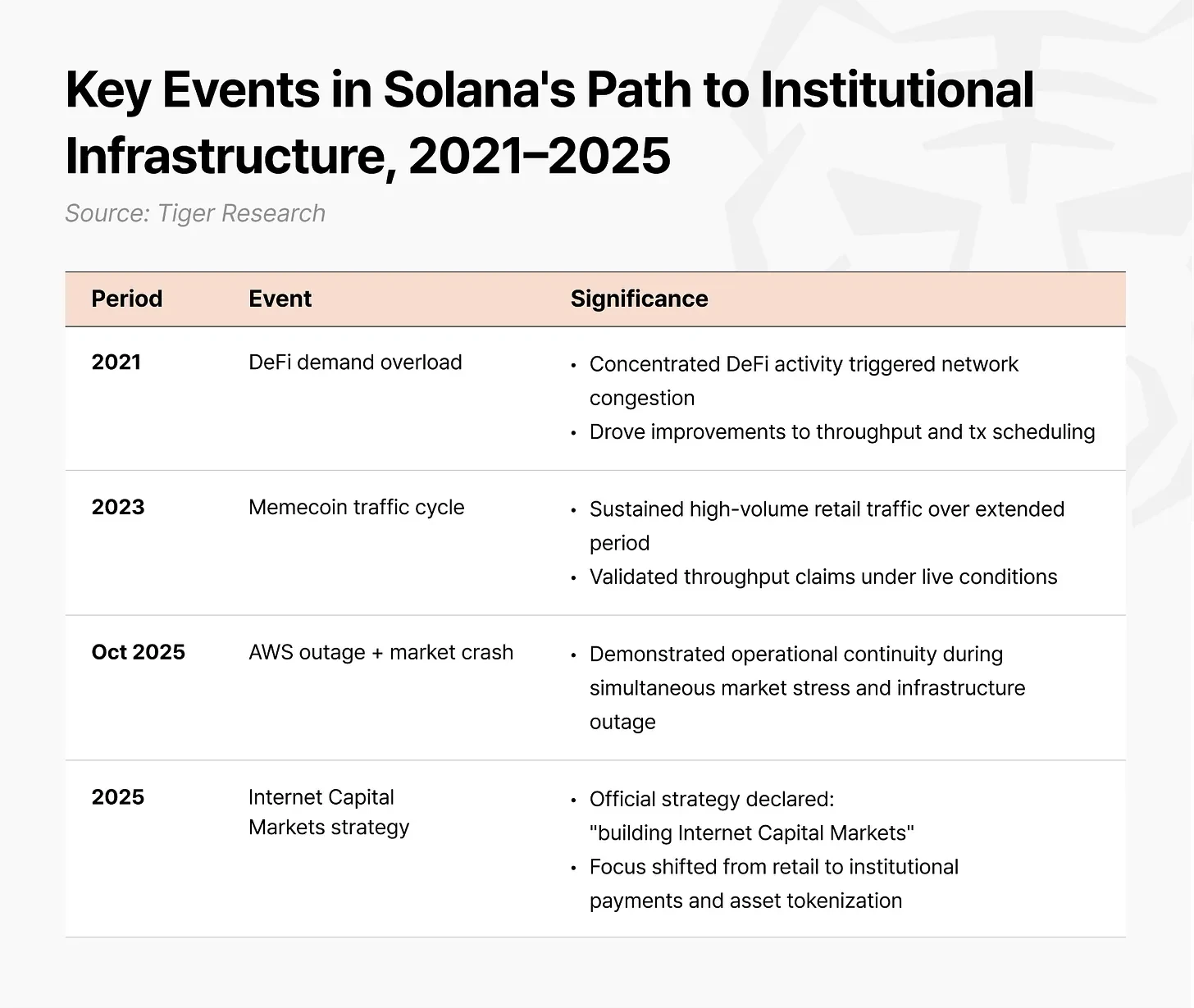
Global institutions are not choosing Solana by preference but because it meets institutional requirements: Settlement Economics—finality in ~0.5 seconds, average fee $0.0013, making leverage strategies viable; Programmable Compliance—Token-2022 standard embeds freeze, clawback, whitelist, and zero-knowledge encrypted balances directly into tokens; Institutional Stability—transitioning to multi-client architecture, targeting 150 ms finality; Full Operational Sovereignty (Contra)—allows institutions to operate on an independent network using Solana's proven performance base.
Strategic Window for Asian Institutions: Three Stages
For Asian financial institutions, the most pragmatic path is as fast followers, adopting proven U.S. infrastructure and regulatory references. The decision to enter depends on whether the local environment is truly executable. Markets fall into three categories:
- Executable Stage (Singapore MAS, Hong Kong SFC/HKMA, Japan FSA, UAE ADGM/VARA): Clear licensing regimes and market infrastructure exist for stablecoin payments and spot ETFs. First movers can lock in track record and liquidity partners.
- Transitional Stage (Korea FSC/FSS, Thailand SEC, Malaysia SC, parts of India): Policy direction is set but detailed rules are pending. Key areas: tokenized stocks, STO secondary markets. Institutions should prepare structures ready to deploy upon regulatory clarity, or use offshore hubs like Singapore or UAE to pilot.
- Exploratory Stage (Indonesia, Vietnam, Philippines): Legal definitions and investor protection standards are unclear. Small-scale experiments to accumulate data and retain expansion capability are recommended.
Conclusion: The Window Is Open, Standards Not Yet Fixed
Internet capital markets are no longer a concept but a running reality. Global institutions such as J.P. Morgan, State Street, and Franklin Templeton are converging on Solana not by chance but because it offers compliance embedded in assets, battle-tested throughput, and a complete ecosystem from D.C. policy engagement to real-time settlement infrastructure. The variable for Asian institutions is no longer whether to enter, but the sequence and entry point. The window—where validation is complete but standards are not yet fixed—is the prime opportunity for fast followers. How long it remains open is uncertain.