
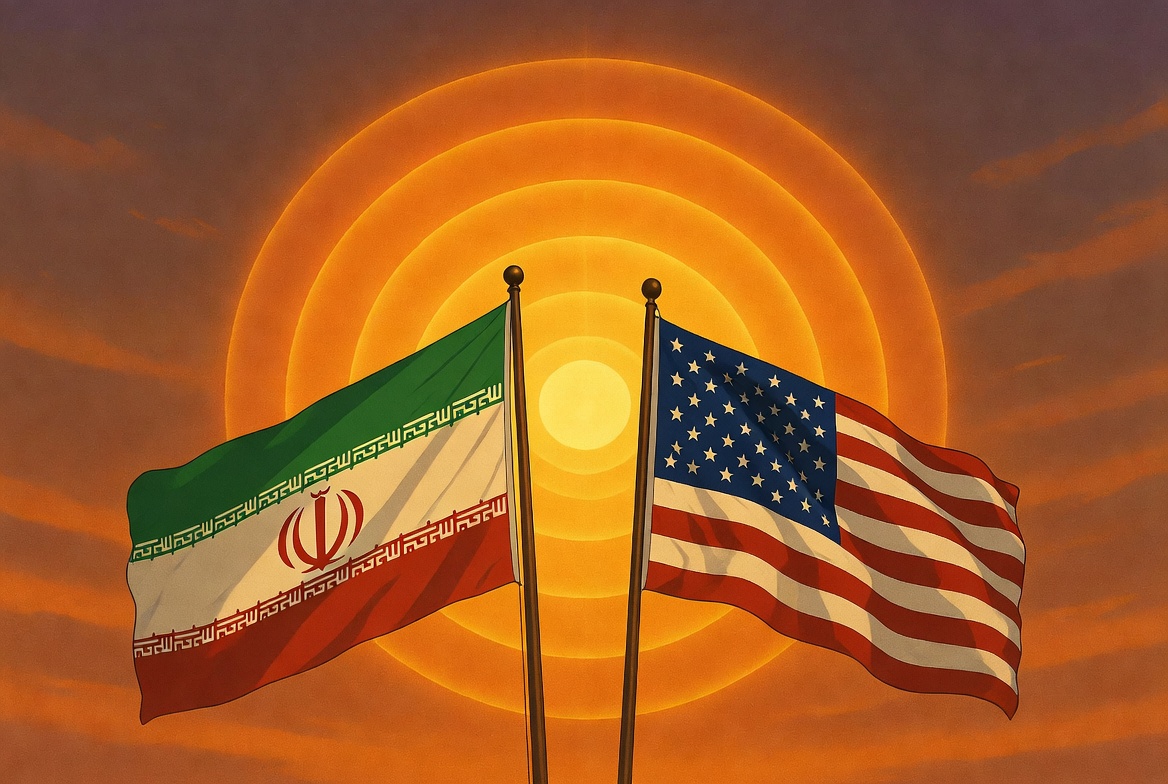
A major breakthrough in Middle East geopolitics may be underway. According to leaked reports cited by financial news account Walter Bloomberg and Al Arabiya, Iran has submitted revised negotiating terms offering significant concessions to Western powers. The proposal aims to secure a long-term ceasefire, gradual reopening of the Strait of Hormuz, a permanent freeze on nuclear activities, and the transfer of enriched uranium stockpiles to Russia — explicitly rejecting the U.S. as a receiver.
Four Key Concessions
The leaked document details four main points: Tehran seeks a phased and lasting ceasefire in the region; it agrees to reopen the Strait of Hormuz — through which roughly 20% of global oil passes — step by step, alleviating supply chain fears; it commits to freezing its nuclear program long-term rather than dismantling it; and it proposes handing over controversial enriched uranium to Russia for safekeeping.
The move appears aimed at easing international sanctions by relinquishing control over critical shipping lanes and nuclear activities. Global markets are now watching for responses from the U.S. and other allies. If negotiations gain traction, the impact on energy prices and the macro investment climate could be dramatic.
Crypto Market Implications
Stability in the Strait of Hormuz directly influences crude oil prices, which feed into inflation expectations and Fed policy — factors that shape risk-asset valuations like Bitcoin. Earlier tensions in the Middle East had triggered risk-off sentiment and weighed on crypto prices. A credible ceasefire deal could reduce geopolitical risk premiums and ease pressure on global liquidity.
Yet hurdles remain. The U.S. and Israel have taken a tough stance: former President Trump recently warned “your time is up” and planned a joint military meeting with Israel. Iran's earlier launch of a "Hormuz Security" marine insurance platform accepting Bitcoin and USDT also drew U.S. Treasury sanctions threats. The coming days of diplomacy will be critical.