
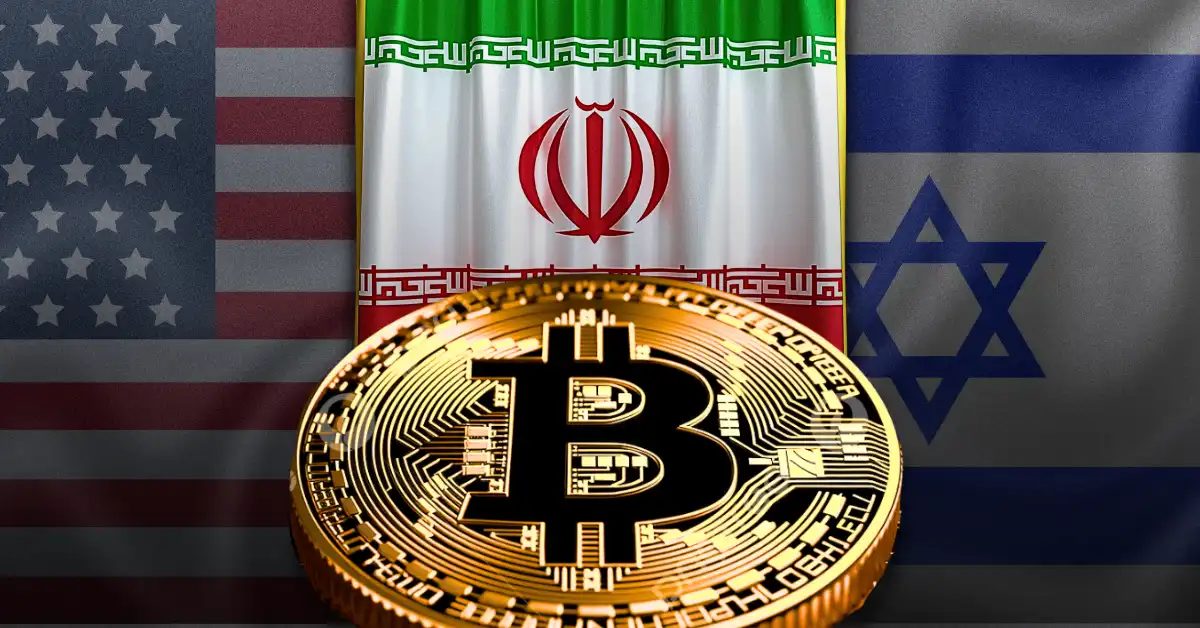
Iran’s Parliament Speaker Mohammad Bagher Ghalibaf directly accused U.S. President Donald Trump of making “seven false claims in one hour.” He warned that the Strait of Hormuz may not remain open if the U.S. blockade continues. The statement sent shockwaves through crypto markets—Bitcoin briefly hit $78K before giving up gains.
Debunking the “Seven False Claims”
Ghalibaf said Trump’s claims about the Iran situation are flatly wrong. He stressed the U.S. has “gained no real advantage” through such statements and that negotiations cannot move forward on false information. Tehran rejected every point, including alleged U.S. progress, Iranian blockade of the strait, and nuclear material disposition. Ghalibaf added that all vessel traffic must follow designated routes and receive Iranian approval; the Strait’s rules are decided on the ground, not on social media.
Iran’s Foreign Ministry made clear that enriched uranium “is going nowhere”—not to the U.S., not anywhere. This outright denied U.S. speculation about uranium transfers.
Bitcoin Spikes to $78K Then Retreats
U.S.-Iran tensions directly rattled crypto markets. Just last week, when Iran announced a full reopening of the Strait, sentiment turned bullish: Bitcoin jumped over 5% to touch $78K. Altcoins followed, flipping the fear gauge from “fear” to “relief” almost overnight.
But geopolitical calm in the region rarely lasts. Ghalibaf’s latest remarks arrived after U.S. markets closed for the weekend, leaving traders with no immediate venue to react. Still, Bitcoin has given back its early gains and is now seeking support to build a stronger base. The $78K level turned into a stiff resistance, while the $74K–$75K zone becomes a key defense line for bulls.
Ceasefire Clock Ticking, Blockade Continues
The two-week ceasefire between the U.S. and Iran expires on April 22. Both sides have already accused each other of violations. President Trump confirmed the naval blockade on Iranian ports will remain in full force until a “complete transaction” is finalized. Iran counters with the threat of closing the Strait. With positions hardened, a near-term de-escalation looks unlikely.
The Strait of Hormuz carries about 20% of the world’s oil supply. Its status directly sways energy prices and global risk assets. Crypto, as a high-risk asset class, is particularly sensitive to such shocks. Historical patterns show geopolitical flare-ups trigger sharp short-term volatility in Bitcoin, but the medium-term direction depends on liquidity conditions and safe-haven flows. For now, traders are eyeing the April 22 deadline—any surprise event could spark another round of turbulence.