Meta's Compute Rental: Signal or Noise?
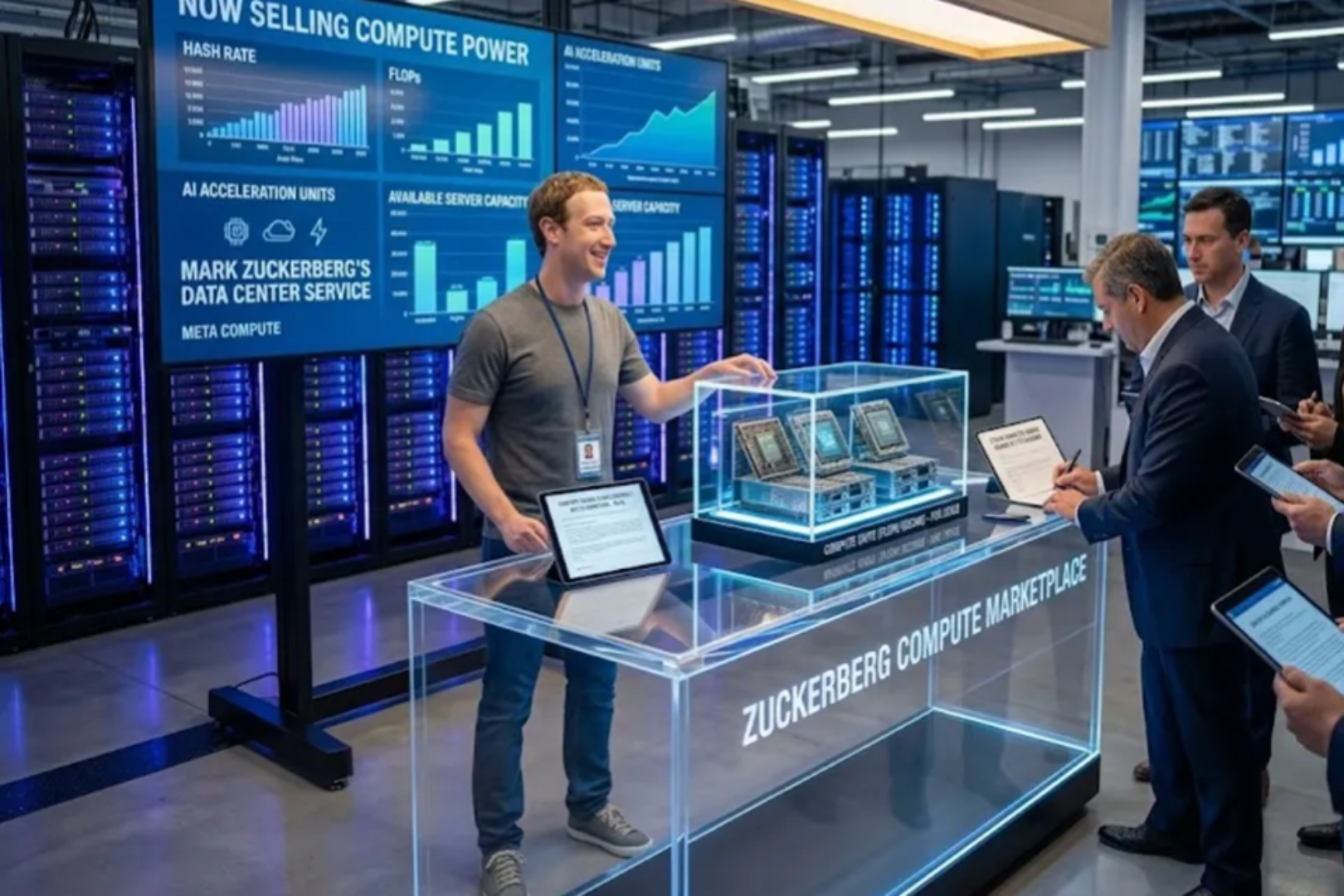
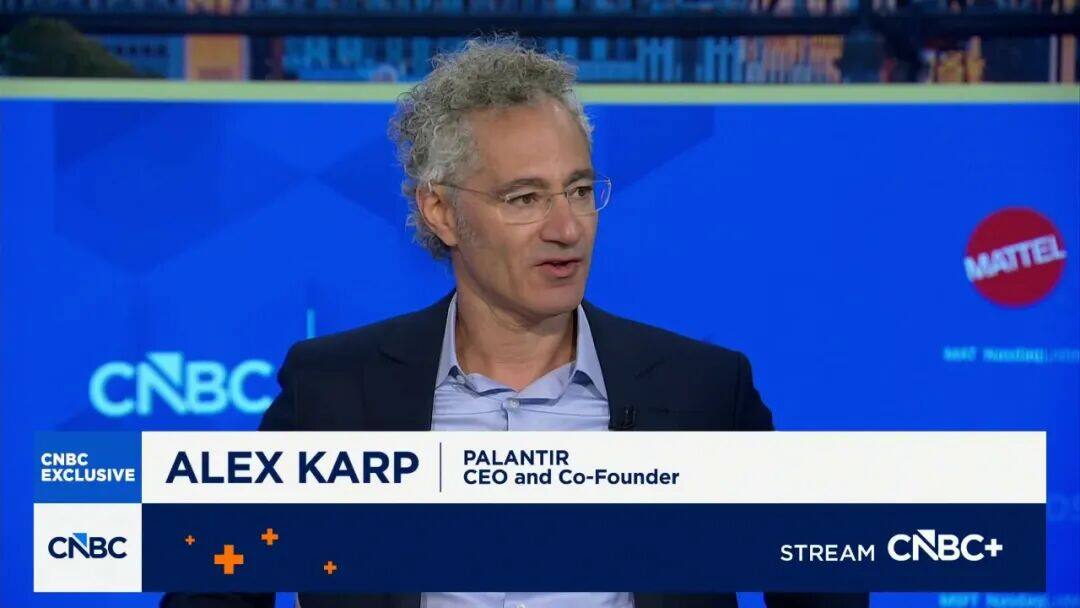
The AI market suffered a sharp correction after Meta indicated it might sell idle AI compute capacity. Three years ago, this would be unremarkable—cloud computing is exactly that business. But Meta was never a cloud vendor; it bought chips for its own models, ads, and Zuckerberg's superintelligence dream. Now the company says 'if machines are temporarily unused, we can sell them.' Though not yet formalized (internal project Meta Compute), the market senses a turning point for CapEx narratives. Palantir CEO Alex Karp lashed out on CNBC, saying enterprises pay for tokens that create zero value while surrendering their data. He called soaring model bills a 'wealth tax.' Previously the question was who spends fastest; now it's who can keep machines running. Meta's move is ambiguous—Zuckerberg once noted external firms offer to pay above cost for its API or compute, but Meta believes it still needs the capacity. If needed, rental is optional; if not, rental becomes a balance-sheet painkiller.
Demand Hasn't Vanished—It's Becoming Selective
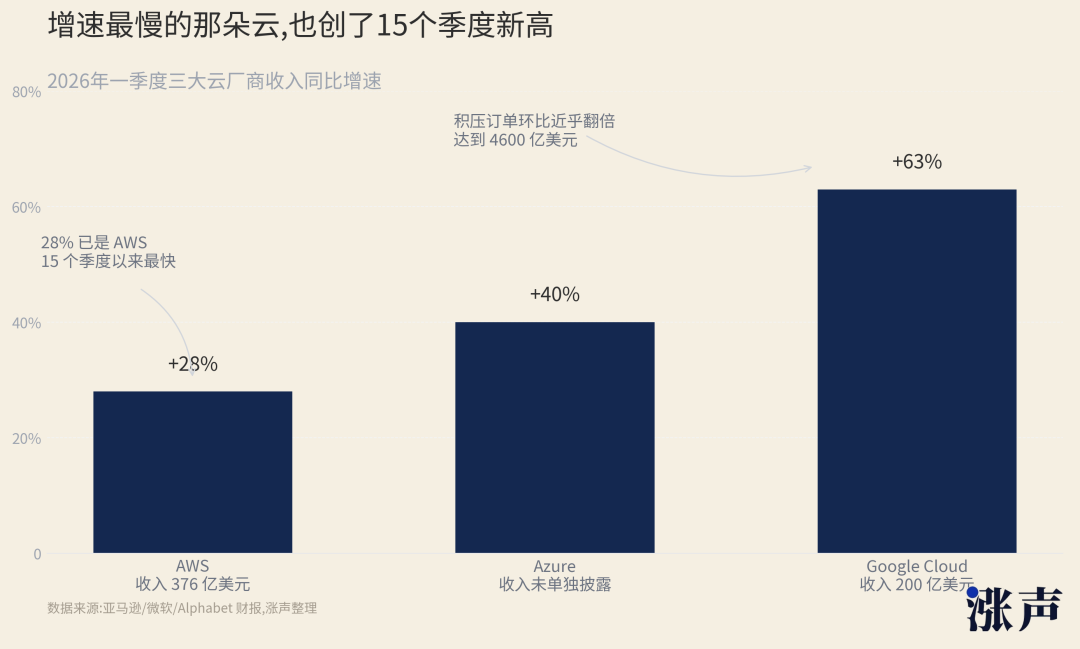
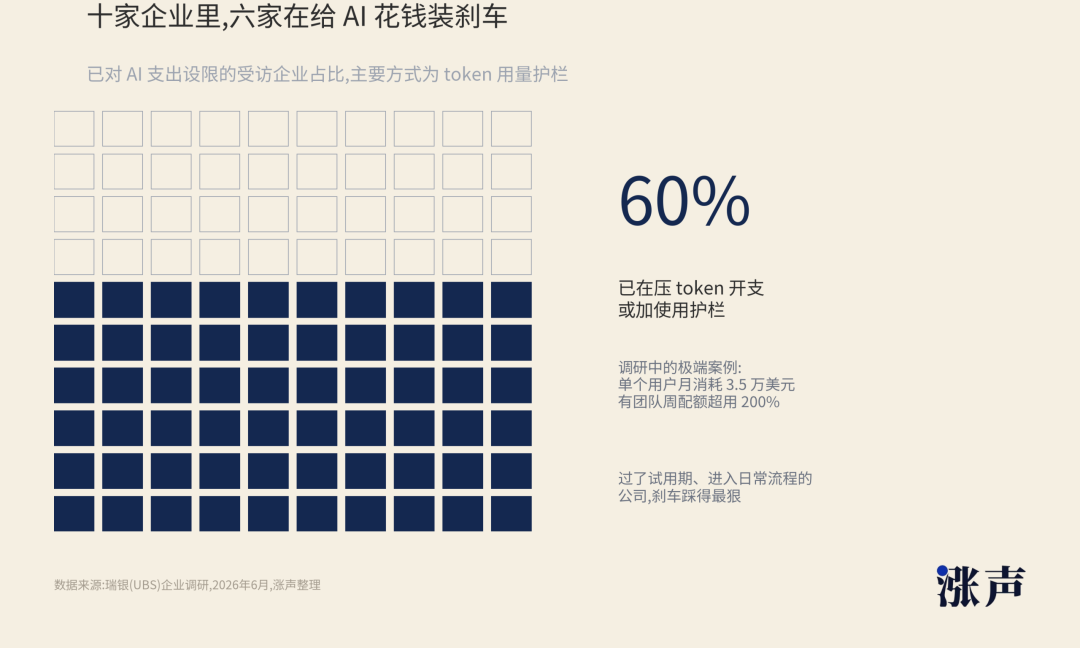
Meta's announcement was read as an AI CapEx collapse, but public data doesn't support that. AWS Q1 revenue hit $37.6B (+28%), Google Cloud reached $20B (faster growth), Microsoft Azure maintained ~40% growth. Amazon may spend $200B on CapEx this year, Alphabet raised 2026 guidance to $180-190B, Meta itself raised full-year CapEx to $125-145B. These numbers don't signal collapse—they signal redirection. AWS even raised prices for reserved GPU services by ~20% in late June (after a 15% hike in January). Scarcity empowers sellers. But model companies face different fates. Strong models suffer from insufficient machines; weak models suffer from indifferent customers. xAI's compute flowing to Anthropic shows machines don't care about founders—only about utilization. Google reportedly restricted Meta's access to Gemini because Meta wanted more compute than Google could provide. This is not traditional oversupply—it's mismatch. After enterprises secure compute, CFOs start asking: what did these tokens save? A UBS survey found ~60% of companies are capping token spend and adding guardrails. AI has moved from toy to tool; spending has become harder, not easier.
Token Consumption Explodes, but Open-Source Models Become Bargaining Chips
AI agents magnify the problem. A Codex study by OpenAI and universities showed: active users grew 5x+ in H1 2026; legal team monthly output tokens rose 13x vs Nov 2025; research roles rose 50x+. Agentic coding tasks can consume 1000x more tokens than regular chat, with 30x variance across runs. When tokens become an electricity meter, the power plant owner holds power, but the wasteful pay the price. At this point, Chinese open-source models become enterprise bargaining tools. a16z's Marc Andreessen cited GLM-5.2 as one of the first models matching or exceeding US counterparts in most tasks. Coinbase CEO Brian Armstrong said switching to GLM 5.2 and Kimi 2.7, combined with model routing, caching, and context pruning, allowed token usage to grow exponentially while AI spending was cut nearly in half. Hardest tasks stay on expensive models; summaries, customer service, etc., go to cheaper ones. Open-source models don't need to win every battlefield—they just need procurement to believe not every watt should be charged at mansion rates.

Compute Stratification: From Total Volume to Structural Story
Meta's rental plan, Palantir's token criticism, and Coinbase's model routing all tell the same story: the AI spend chain is being disaggregated. Upstream sells certainty (cloud vendors raise prices); midstream sells results (strong models remain bottlenecks); downstream squeezes unit costs (open-source alternatives). The once-easy narrative of 'not enough resources' is now being tested by utilization. Assets have their own temperament—they don't care about your future vision, only whether they are used today. Compute is stratifying: top tier remains tight (best models, clouds, stable GPU clusters); middle tier becomes awkward (not bad but not scarce, customers compare); bottom tier is compressed by open-source and cost optimization. After scaling, enterprises start counting. During the 19th-century railroad bubble, railroads were real, but many builders lost money because they built too early, too much, or in places with no traffic. AI data centers will leave useful assets, but assets don't wait for their destiny. The market now asks who arrives first, who waits in vain, and who arrives but fails to profit. The AI story no longer belongs solely to those who buy machines fastest.