
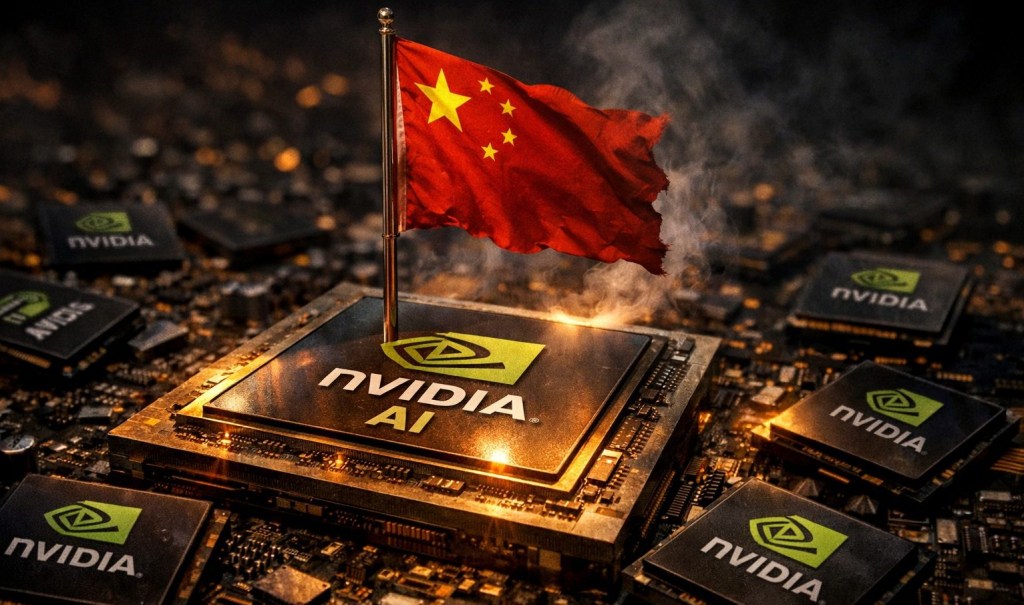
Nvidia’s flagship H200 AI chips have started shipping to China, according to Jeffrey Kessler of the U.S. Commerce Department, who told the Foreign Affairs Committee on July 14 that the volume so far is "very small." The confirmation drew attention because Washington has long tried to block Beijing from obtaining advanced chips that could be used for military purposes.
ZTE subsidiary included in latest approved buyers
Reuters reported that a subsidiary of Chinese telecom equipment maker ZTE, along with two other Chinese companies, was part of the latest batch approved by the U.S. side to purchase advanced AI chips from Nvidia and Advanced Micro Devices, or AMD.
The report also said Alibaba, Tencent, and ByteDance were believed to be on the loosened list, although there had been no record of actual deliveries at that time. With the U.S. official now confirming that shipments have taken place, the policy appears to have moved into the implementation stage.
Democratic lawmaker says export controls are being used as a bargaining tool
Gregory Meeks, the top Democrat on the House Foreign Affairs Committee, said the Commerce Department has not added any Chinese companies to the export control list since October last year. He described that as the longest gap in more than a decade.
Meeks criticized President Donald Trump, saying export controls had been turned into "a bargaining chip" in negotiations with China and warning that doing so would weaken national defenses.
Questions raised over possible Blackwell loopholes
Representative Bill Huizenga said guidance issued by the Commerce Department on May 31 contained a loophole that could allow overseas subsidiaries of Chinese companies to obtain Blackwell chips, which are more advanced than the H200.
He said the department was deliberately allowing the possibility that China could obtain Blackwell chips through "smuggling or other loopholes." That issue became another flashpoint in the discussion over how advanced AI chip controls are being enforced.
Kessler defends current approach and UAE easing
On future regulation, Kessler said he does not intend to use a new rule to replace the Biden-era "diffusion rule," which was designed to control the global flow of AI chips. He said the rule would kill the global AI ecosystem and was not worth replacing.
Kessler also defended the Trump administration’s decision last Friday to loosen export controls on the United Arab Emirates. The measure makes it easier to export Nvidia AI chips, military equipment, commercial satellites, and space vehicles to the UAE, a move the report described as part of deepening U.S.-UAE alliance ties.