
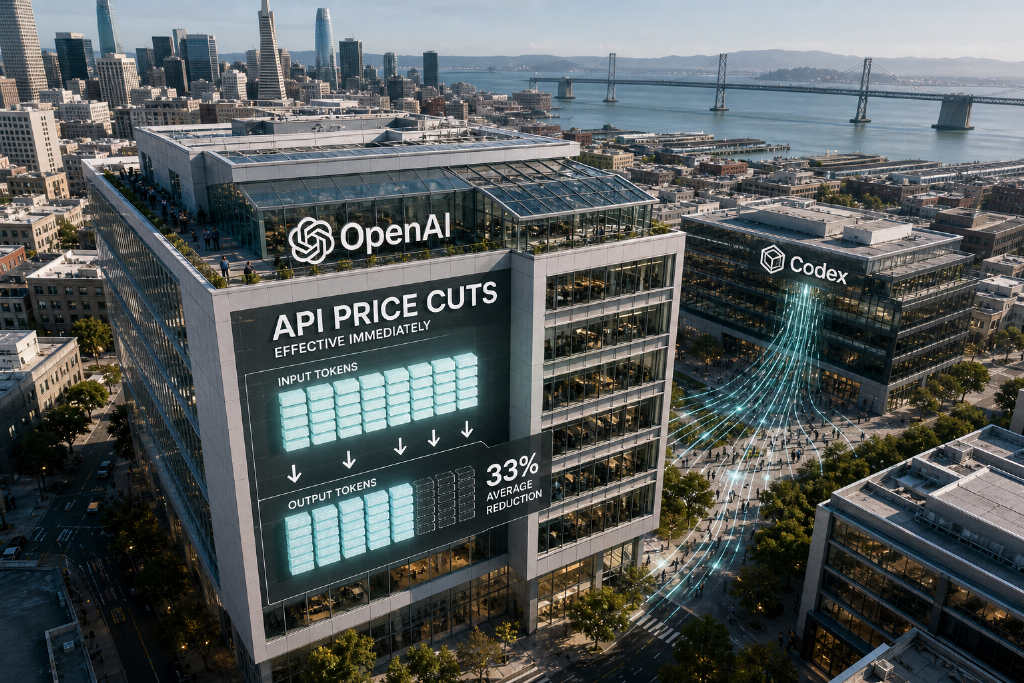
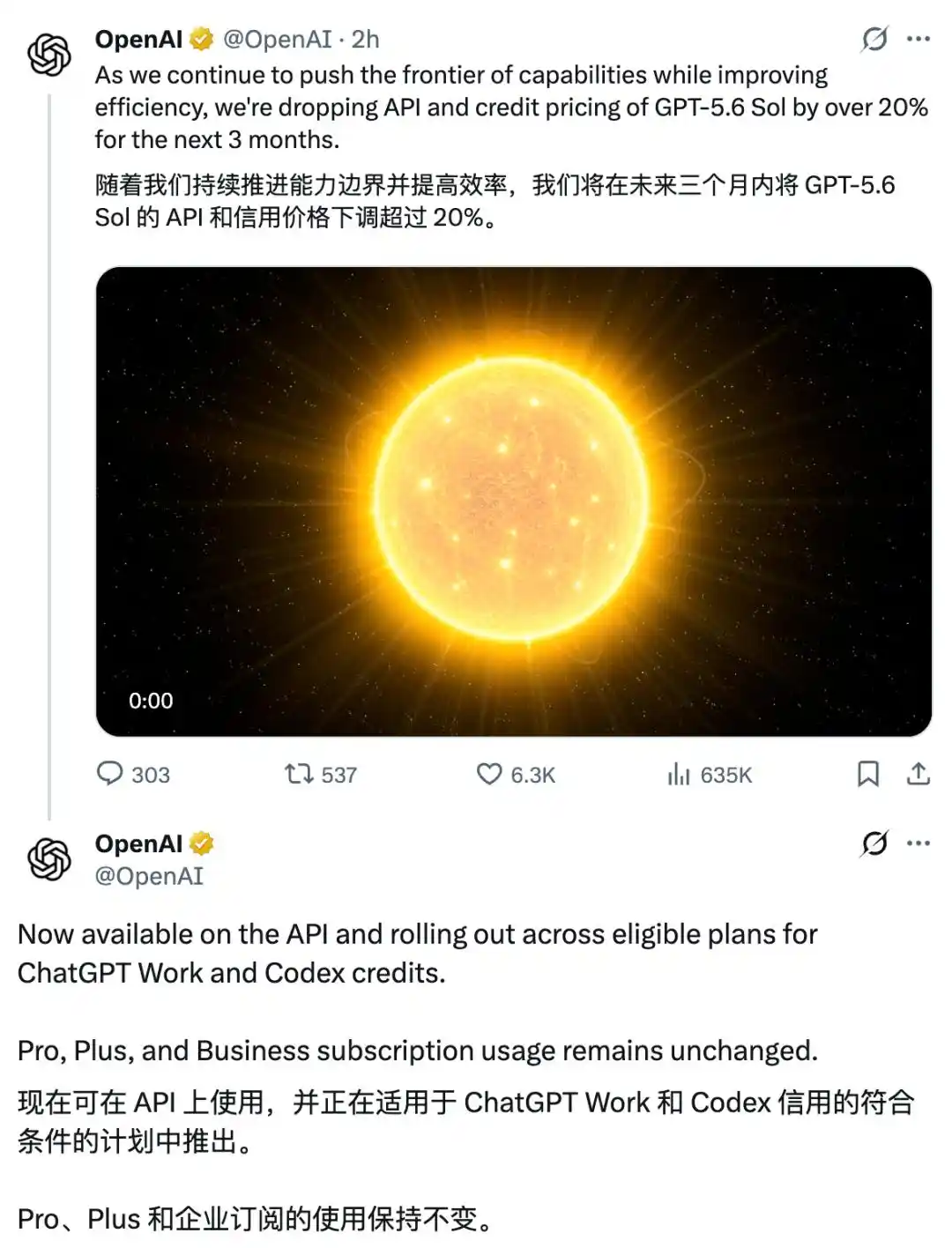
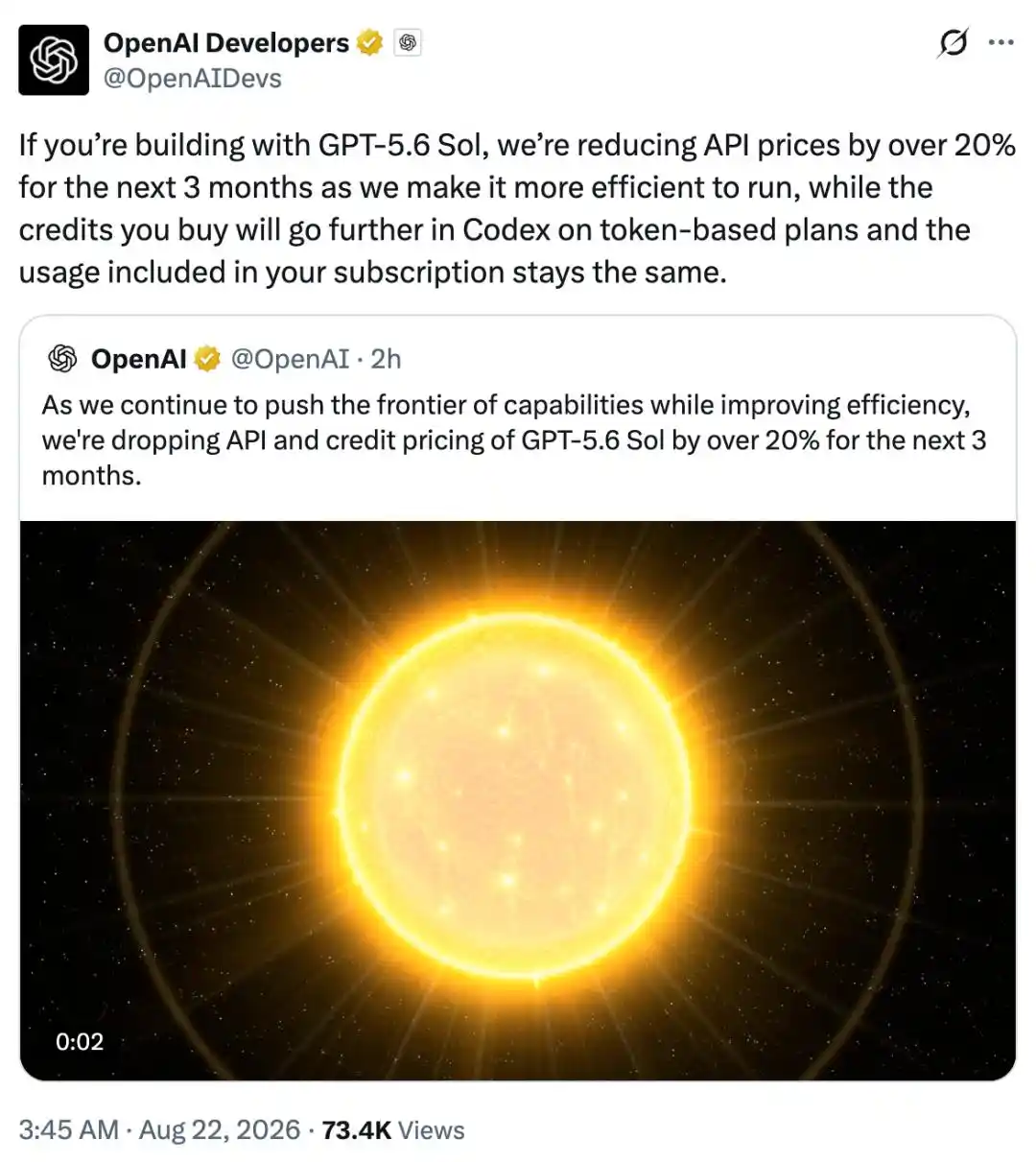
OpenAI has rolled out a major price cut for GPT-5.6 Sol, lowering both API pricing and overage credit pricing by more than 20% over the next three months. The API changes took effect immediately, while eligible ChatGPT Work and Codex credits are being distributed in phases.
The company did not change subscription pricing for Pro, Plus, or Business, and it also left included usage unchanged. The reductions apply to token-based billing, which means the biggest savings go to users with large API workloads.
Input and output token prices both moved lower
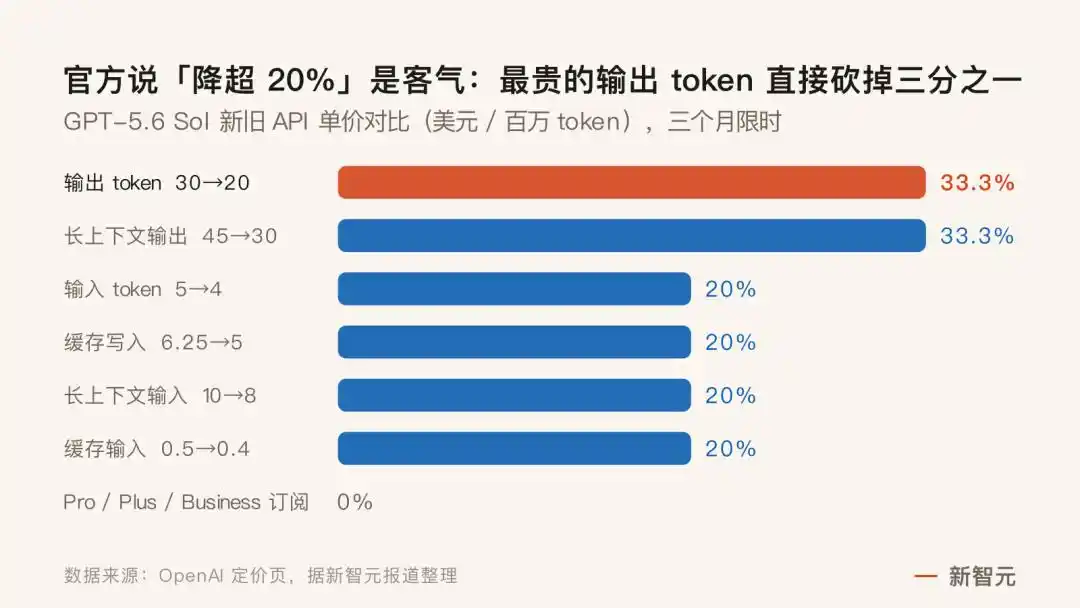
Before the adjustment, GPT-5.6 Sol was priced at $5 per million input tokens and $30 per million output tokens, making it the most expensive model in the GPT-5.6 family. OpenAI’s current pricing page now shows $4 per million input tokens and $20 per million output tokens.
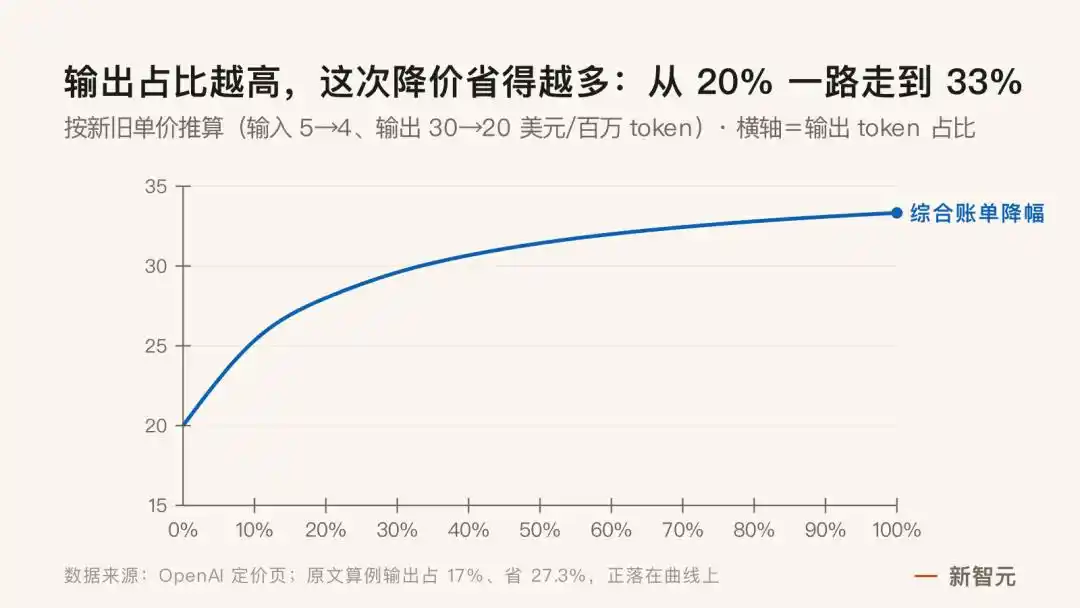
That brings input pricing down 20%. Output pricing fell from $30 to $20, a cut of roughly 33%, which is steeper than the company’s general description of a reduction of more than 20%.
The original report gave one example: a large agent using 100 million input tokens and 20 million output tokens per month would have cost $1,100 under the old rates and now costs $800, for a blended reduction of about 27.3%.
How much each user saves depends on the mix between input and output. Document-heavy batch processing leans toward input usage and saves a bit over 20%, while output-heavy coding workloads inside Codex can save more than 30%.
Cache and long-context tiers were cut as well
OpenAI also lowered cache-related pricing. Cached input dropped from $0.5 to $0.4, and cache write pricing fell from $6.25 to $5.
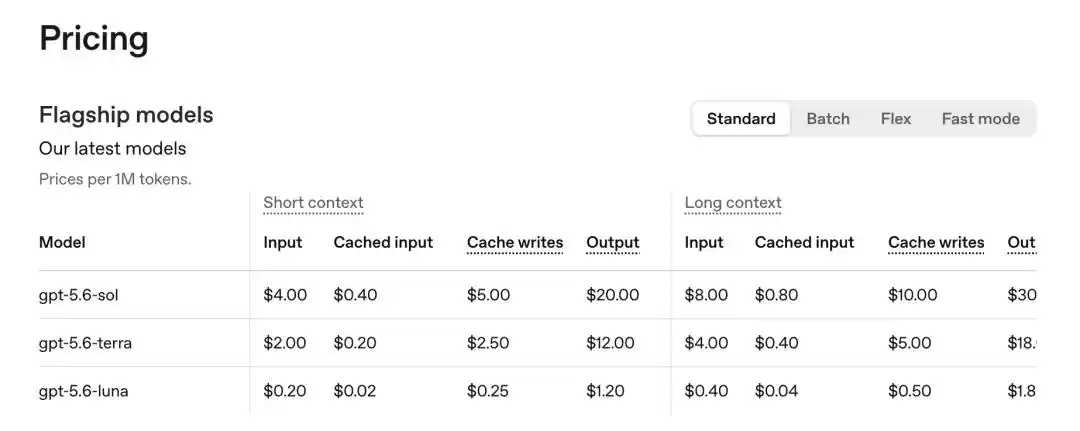
Long-context pricing was adjusted at the same time. Input moved from $10 to $8, and output fell from $45 to $30.
In a follow-up post, OpenAI Developers said the lower prices were made possible because Sol now runs more efficiently.
Pricing has become a second battleground
The report noted that in OpenAI’s previous round of cuts, Sol was the only model left untouched. Luna was cut by 80%, Terra by 20%, while Sol kept its original pricing and only gained a faster Fast mode at no extra charge.
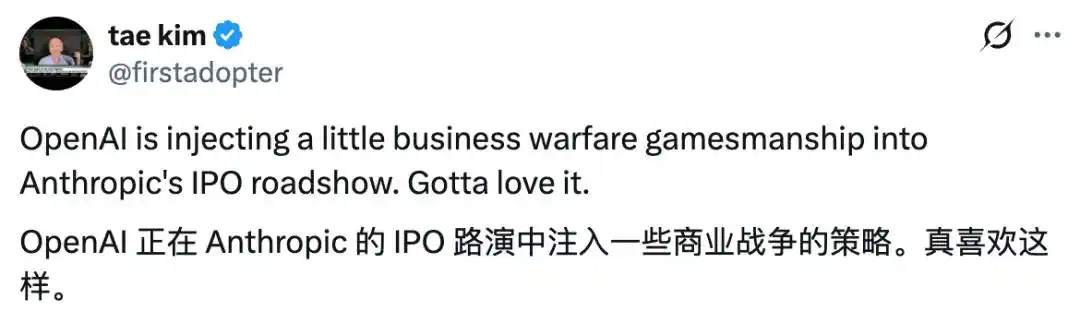
This time, Sol itself has joined the discount cycle. The article cited tech blogger Chubby as saying the move was clearly aimed at Anthropic. Tech journalist tae kim went further, describing it as a competitive tactic during Anthropic’s IPO roadshow period.
According to the report, Anthropic confidentially submitted an S-1 filing to the U.S. Securities and Exchange Commission on June 1 this year, formally starting the IPO process. Multiple media reports said underwriters began arranging meetings between management and potential investors in mid-July. The roadshow window was described as running through August and September, with a target listing as early as October on Nasdaq and a valuation target of $2 trillion.
OpenAI tied the cuts to infrastructure and efficiency
The report argued that OpenAI’s willingness to reduce flagship pricing is linked to both compute buildout and model efficiency gains.
Just days earlier, OpenAI said it had secured about 8 IT-GW of compute capacity at the PORTS-Pike site in Pike County, Ohio, under a 20-year lease, with NVIDIA as the exclusive provider of AI compute infrastructure.
Before that, OpenAI had reached a five-year agreement with Oracle worth more than $300 billion, tied to as much as 4.5GW of added capacity, and signed a 6GW GPU deployment agreement with AMD. OpenAI also said in April this year that it had locked in more than 10GW of AI infrastructure capacity and was targeting 30GW by 2030.
The article also said OpenAI stated that GPT-5.6 Sol helped optimize its own production inference kernel, cutting end-to-end service costs by 20% and lifting token generation efficiency by more than 15%.
Pressure is also coming from lower-cost models
The piece said the Sol price cut was not only an offensive move against Anthropic, but also a response to cheaper model competition.
It pointed to the July 31 release of DeepSeek V4 Flash. It also mentioned a model code-named Ox Alpha that appeared two days earlier, with a 1M context window, support for text, image, and video input, and one week of free access.
In the report’s framing, Chinese open-source models are no longer competing on price alone, with capability continuing to move closer to frontier systems.
Codex weekly active users passed 20 million
Another update came the same day from Codex lead Tibo, who said Codex weekly active users have surpassed 20 million.
To mark the milestone, the team issued a one-time BANKED quota reset to all Codex and ChatGPT Work users. On complaints from the community that quotas were being consumed too quickly, Tibo said no anomaly had been found so far, but a formal investigation had started and any findings would be shared.
He also drew a clear line on account use. OpenAI does not support taking subscription accounts, converting them into API traffic through sub2api, and then reselling or sharing that access across multiple users. That type of usage will be flagged by the company’s risk-control system. Normal use through the official client, or through open-source clients such as Pi and OpenCode, was described as acceptable.
Source notes
This article is based on a MarsBit report that credited the WeChat account Xinzhiyuan, with ASI Qishilu listed as the author and Solomon as editor. The report also listed reference posts on X from OpenAI, kimmonismus, rohanpaul_ai, and thsottiaux.