
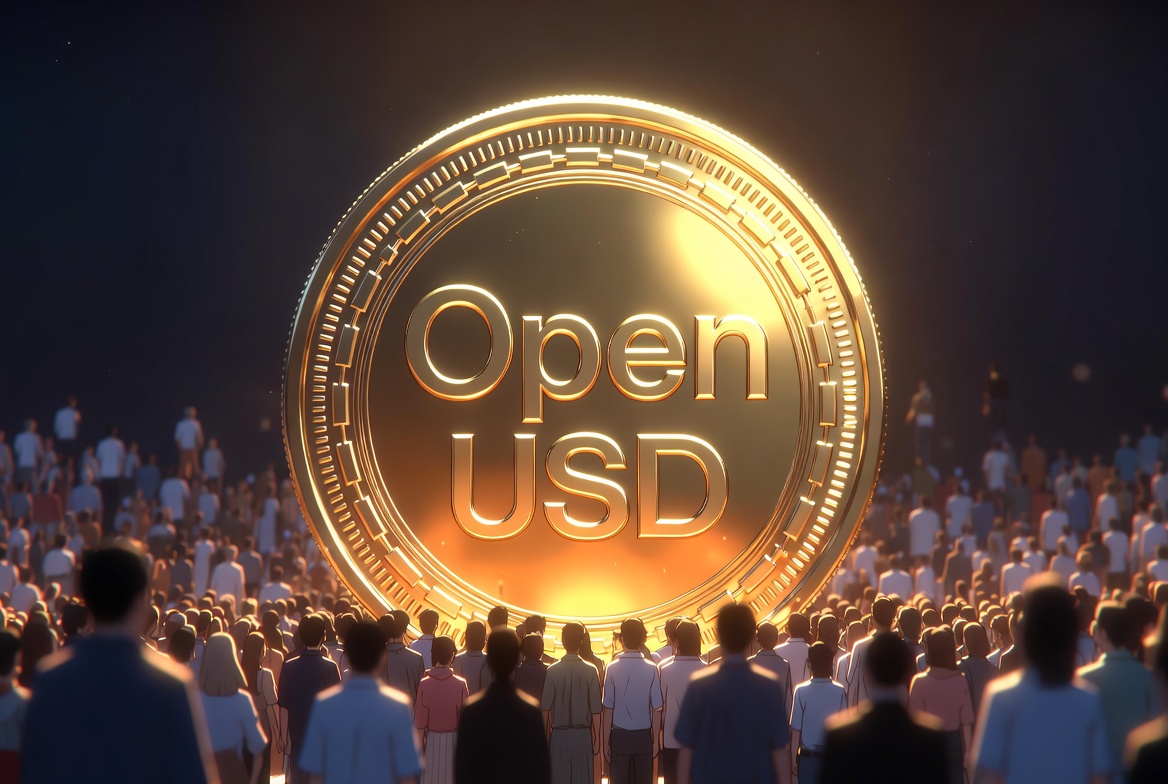
The Open USD (OUSD) stablecoin alliance is facing questions in South Korea after several companies listed as participants said they never entered formal partnership agreements. According to local reporting, Samsung Electronics, Dunamu, Shinhan Financial Group, and K Bank were among the firms that pushed back on the alliance’s public claims.
The dispute came after the Open Standard alliance announced on June 30 that it would launch OUSD, a dollar stablecoin promoted as a new model that would share reserve income with participating companies. The group said it included more than 140 companies, naming firms such as Visa, Stripe, BlackRock, and Google. The report said that narrative briefly sent Circle’s stock down by nearly 18%.
Korean firms say discussions never reached a formal stage
Open Standard’s published partner list included about 13 Korean companies, among them Samsung Electronics, Upbit operator Dunamu, Shinhan Financial Group, Kakao Bank, K Bank, Hanwha Life, and major card issuers tied to KB, Samsung, and Hyundai.
After checking with the companies one by one, Chosun Biz reported that several of them rejected the idea that they had formally joined the alliance. Samsung said there had been no formal talks and that it did not even know what role it would be expected to take. Dunamu, Shinhan Financial Group, and K Bank reportedly said they had only received inquiries about possible interest and replied that they would review the matter, after which their names appeared on the website.
Public wording appears to have outrun actual commitments
The report points to a gap between promotional language and the companies’ own understanding of the talks. Open Standard used terms such as Signed up and Partners in its materials. The Korean firms, by contrast, viewed the contact as little more than early-stage exploration or internal review, well short of a contract or operational commitment.
OUSD is trying to challenge the existing stablecoin model dominated by issuers such as Tether and Circle by using a board-governed alliance structure with zero fees and shared interest income. This episode in South Korea has raised doubts about the project’s early credibility and highlighted how easily cross-border business discussions can be overstated before formal agreements are in place.