
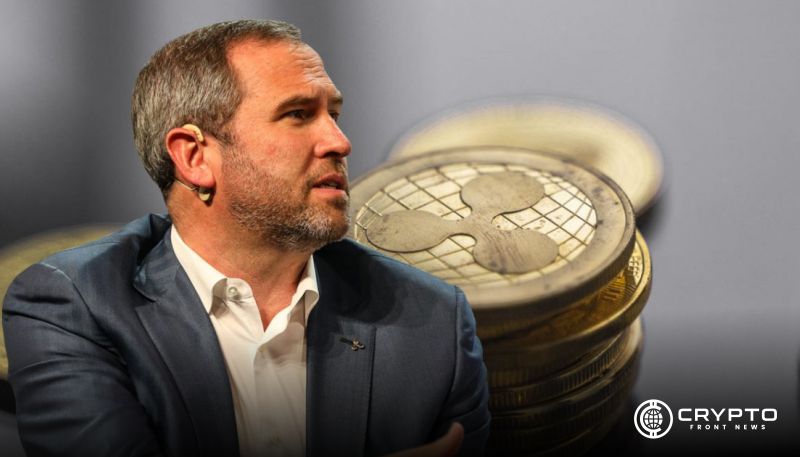
Ripple CEO Brad Garlinghouse criticized Michael Saylor’s Bitcoin acquisition model, arguing that financial engineering cannot substitute for real utility in creating long-term value for digital assets. In a Friday interview with CNBC, he questioned Strategy’s use of preferred shares to keep buying Bitcoin and said the structure is showing strain as market conditions weaken.
Garlinghouse made the comments while Bitcoin was trading below $60,000. He said he remains bullish on Bitcoin and still views it as digital gold, but drew a clear line between conviction in the asset and support for the financing methods used to accumulate it. In his view, lasting value comes from utility, not from capital structure design.
STRC trades below par as dividend burden rises
His sharpest criticism was aimed at Strategy’s STRC preferred shares. The security was trading around $74, roughly 25% below its $100 par value. Garlinghouse called that drop a damning signal for the company’s financing model. Strategy has used preferred securities, including STRC, to raise fresh capital for additional Bitcoin purchases, and those shares carry an 11.5% annual cumulative dividend obligation.
That commitment has become harder to ignore as investors reassess the company’s capital structure. Reports cited in the source said annualized STRC dividend payments had climbed to about $1.2 billion. In late May, Strategy also sold 32 BTC to help fund STRC dividend payments, the first reported Bitcoin sale by the company for that stated purpose.
Utility, not leverage, is where Garlinghouse draws the line
Garlinghouse said leverage helped Strategy during Bitcoin’s rise, but the same structure adds pressure when prices fall and can spill over into the broader crypto market. He argued that crypto companies should focus on products with real-world use because utility is what creates demand, liquidity, and trust. Scale built on financing alone, he suggested, does not settle the question of durability.
He contrasted that approach with Ripple’s own focus on blockchain-based payments and financial infrastructure. According to Garlinghouse, Ripple processed nearly $16 trillion in payment and prime brokerage volume through its network last year. His comments came as Strategy-linked securities remained under pressure during Bitcoin’s decline, while CryptoQuant advised the company to pause Bitcoin purchases and build larger cash reserves.