
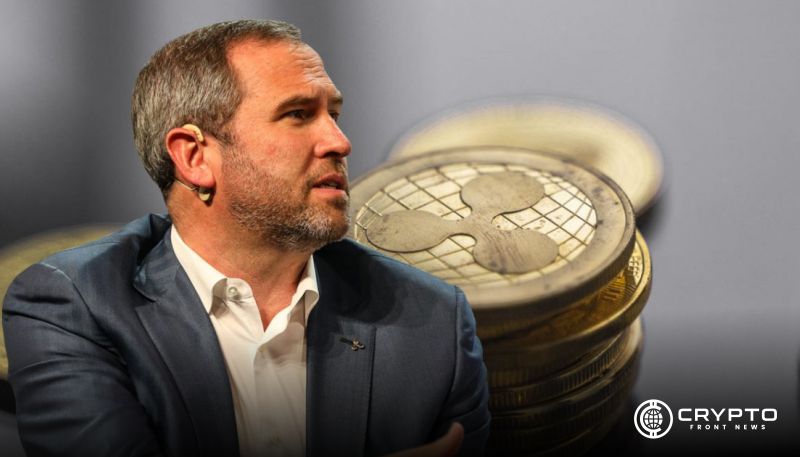
Ripple CEO Brad Garlinghouse revealed that the company seriously weighed shutting down after the U.S. Securities and Exchange Commission filed a lawsuit in 2020. Speaking at the KU School of Business, Garlinghouse said closing the business would have been the easier path — Ripple could have distributed its XRP holdings to shareholders pro rata and told the SEC it no longer held the token. However, that move would have left hundreds of employees jobless, so the company chose to fight the case instead.
Shutdown Was a Real Option
Garlinghouse detailed the internal debate: with the SEC's vast legal resources, a shutdown seemed less risky. Yet the leadership concluded that protecting staff outweighed the convenience of walking away. He noted that by continuing the court battle, Ripple could avoid mass layoffs and maintain its team.
CTO: Lawyers Urged Settlement
Ripple CTO David Schwartz added that early legal advisors believed the company couldn't survive the SEC's case and recommended settling promptly. Schwartz said the SEC's decision to name Garlinghouse and co-founder Chris Larsen as individual defendants was expected given past similar cases. But Judge Analisa Torres later ruled that XRP itself is not a security, shifting the legal landscape.
Post-Lawsuit Expansion
The SEC and Ripple eventually settled after the Trump administration took office. Since the resolution, Ripple has accelerated its global regulatory push. It recently obtained a new EU license compliant with the Markets in Crypto-Assets (MiCA) framework, along with approvals in multiple other jurisdictions. Community member BankXRP noted that Ripple's U.S. business has resumed and institutional partnerships are expanding, with banks building on the XRP Ledger.
Garlinghouse's account highlights how close Ripple came to vanishing — and how the decision to endure the lawsuit paved the way for its current growth.