
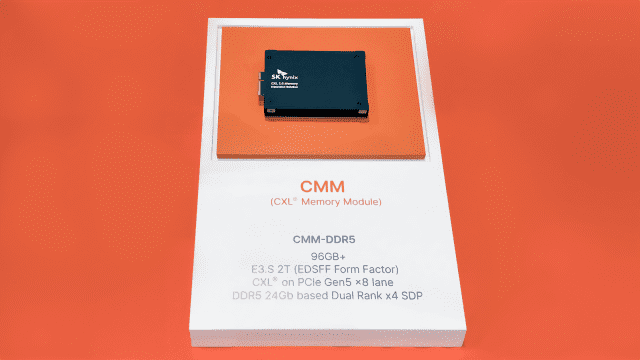
Samsung Electronics, SK Hynix and Micron have scaled back or scrapped commercialization plans for their own Compute Express Link, or CXL, expansion device controllers, according to a July 20 semiconductor industry report cited by ZDNet Korea and translated by TechFlow. The space is now being filled by fabless companies such as Montage, Astera Labs and Primemas.
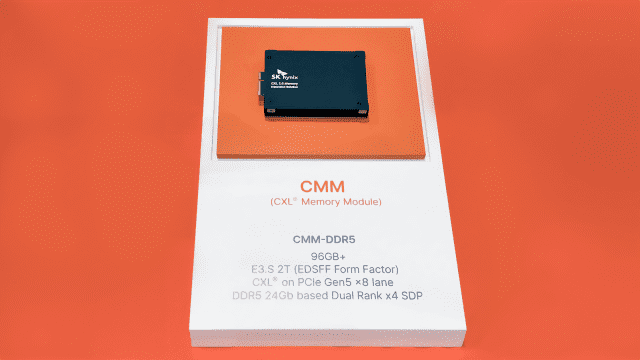
The report frames the shift as a business decision rather than a retreat from CXL technology. Memory makers are concerned that pushing expensive integrated CXL products built around their own controllers could undercut demand for standard DRAM DIMMs, the category that still anchors their core revenue.
Three companies, three approaches
Micron was the first among the three to move away from internal development. The report says the company shut down its standalone controller development line and switched to a solution from Primemas. Primemas products have also begun appearing in Micron’s product catalog, according to the report.
SK Hynix has also formally told major partners that it is ending its in-house CXL controller business. The company is reallocating related personnel to next-generation processing-in-memory, or PIM, in an effort to focus limited R&D resources on business areas it sees as more certain.
Samsung is taking a different line. Its internally developed CXL controller is being used only for research by the development team, while products sold externally use controllers sourced from fabless companies. The internal team is studying unproven areas including LPDDR-based CXL approaches.
That marks a clear change from Samsung’s earlier plan. The company had intended to launch a module combining its own controller with CMM, but the formal productization plan for the internal controller has since been removed from its official roadmap, the report said.
A semiconductor industry source familiar with the matter said Samsung’s internal product planning division had removed the internal controller from formal commercialization tasks and retained it only as an advanced R&D project. The source said the development team is now studying areas such as running mobile DRAM, or LPDDR, on CXL, where short-term commercial viability remains unclear.
Why integrated CXL modules became harder to justify
According to the report, the original idea at the three memory makers was to sell integrated CXL modules, bundling a self-developed controller chip and DRAM on a single board as a higher-priced finished product.

Large data center customers, though, are said to want something else. To cut heavy infrastructure spending, they prefer a disaggregated setup: install the CXL controller separately on the system motherboard, then populate the back-end slots with standard, lower-cost DRAM DIMMs already available on the market.
That mismatch is where the business model began to break down. If memory companies spend heavily to build standalone controllers and then push expensive integrated products, customers focused on cost savings may hold back purchases. At the same time, demand for the commodity DIMMs they already sell in volume could weaken.
The report says this conflict is at the center of the strategic pullback. In that reading, forcing CXL finished products into the market would not simply add a new line of business. It could also damage the DIMM market that remains the companies’ main cash generator.
One semiconductor industry source said it is difficult for memory manufacturers to push aggressively when self-made CXL expansion products would end up competing directly with their own DIMM business. The source described the decision as a sober management judgment, adding that there is little practical upside in commercializing an internal controller if it clashes with an existing core business.
Report says the move reflects division of labor, not a rejection of CXL
The report also argues that the move should not be read as a withdrawal from the CXL market itself. Instead, it describes the shift as risk reduction during an early stage of market development, when demand patterns are still unsettled.
Under that model, specialized fabless firms handle controller design while memory manufacturers continue to focus on making memory products and manufacturing at scale. For Samsung, SK Hynix and Micron, that structure offers a way to stay involved in CXL without letting a new product line disrupt the DRAM business they already run.
Another semiconductor industry source said a pragmatic division of labor with fabless companies makes more sense than trying to dominate CXL alone. The source added that as the global semiconductor market becomes more specialized, a structure in which fabless firms lead design and memory makers focus on manufacturing is likely to accelerate.