
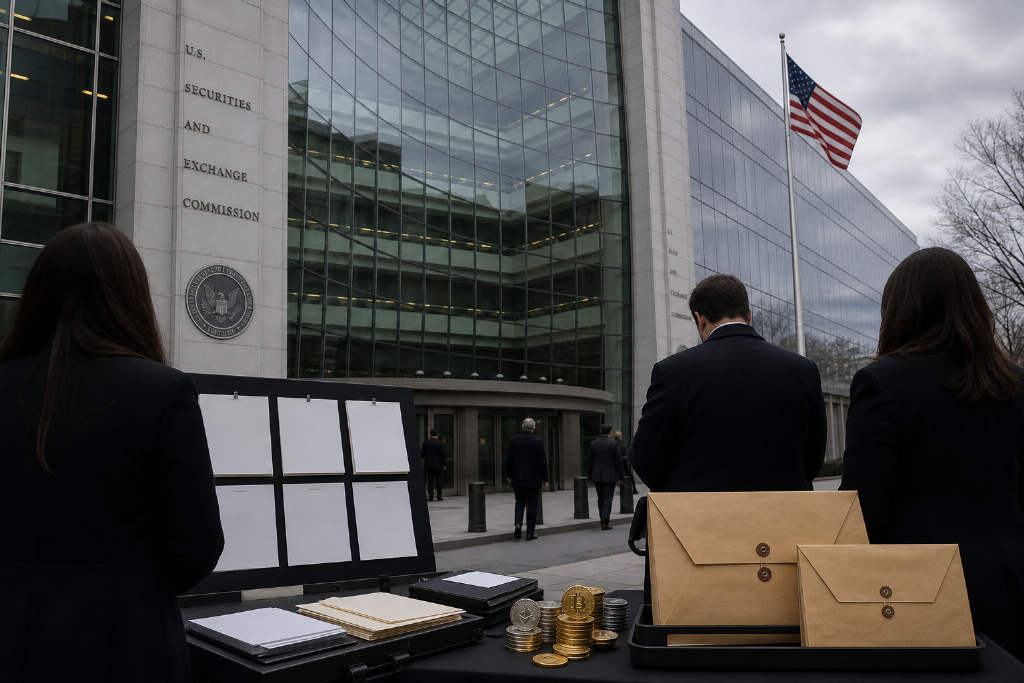
The U.S. Securities and Exchange Commission on Aug. 18 released a proposed rule titled Regulation Crypto Assets, laying out two exemptions for certain investment contracts involving crypto assets. Legal and regulatory specialists cited in the report said the plan could offer a clearer fundraising route for token issuers in the United States, but is unlikely to trigger a fresh ICO wave on the scale seen in 2017.
Two exemptions define separate fundraising tracks
Under the proposal, the first exemption would allow startups to raise up to $5 million in a single offering over a four-year period. The second would let eligible issuers raise as much as $75 million in any 12-month period, with the option to conduct different rounds of offerings in later years.
Drew Hinkes, a partner at Winston & Strawn, said projects could theoretically raise $75 million every 12 months as long as each financing round is treated as a separate offering.
Repeat offerings would still face SEC review
Lilya Tessler, head of fintech and blockchain at Sidley, said follow-on fundraising would not be automatically approved. Issuers would need to resubmit offering statements and go through SEC staff review before moving ahead.
They would also have to continue filing annual and semiannual reports, while disclosing how much capital had been raised under the exemption during the prior 12 months to confirm that the cap had not been exceeded.
Retail participation would be limited
The proposed rule would place limits on non-accredited investors. Their purchase amount could not exceed 10% of the greater of personal income or net worth.
Experts say the setup falls short of reviving 2017-style ICO mania
Lee Reiners, a Duke University expert in financial regulation, said the limited size of the first fundraising round could make early token allocations more appealing. Even so, he said the rule is not likely to recreate the ICO boom of 2017.
He pointed to the damage already done to investor confidence during the previous cycle. Among projects that raised funds through ICOs between 2017 and 2019, as many as 90% ultimately failed.
Secondary trading remains a gray area
The SEC estimates that around 130 offerings a year would use the two exemptions, while about 475 issuers could rely on a broader investment contract safe harbor.
The proposal would give token issuers a clearer U.S. fundraising path than the current regime, but questions would remain around whether secondary-market transactions carry securities characteristics. The draft says investment contracts related to crypto assets may continue to travel with the token in secondary trading until the asset is separated from the issuer’s statements or promises.
Hinkes said that even if a token itself is not a security, a transaction could still be treated as a securities trade if the seller transfers an investment contract to the buyer. That, he said, could also affect trading platforms.
Reiners also warned that some issuers may satisfy the formal requirements of an exemption while still influencing token value through team management efforts, concentrated insider holdings, and aggressive promotion.