
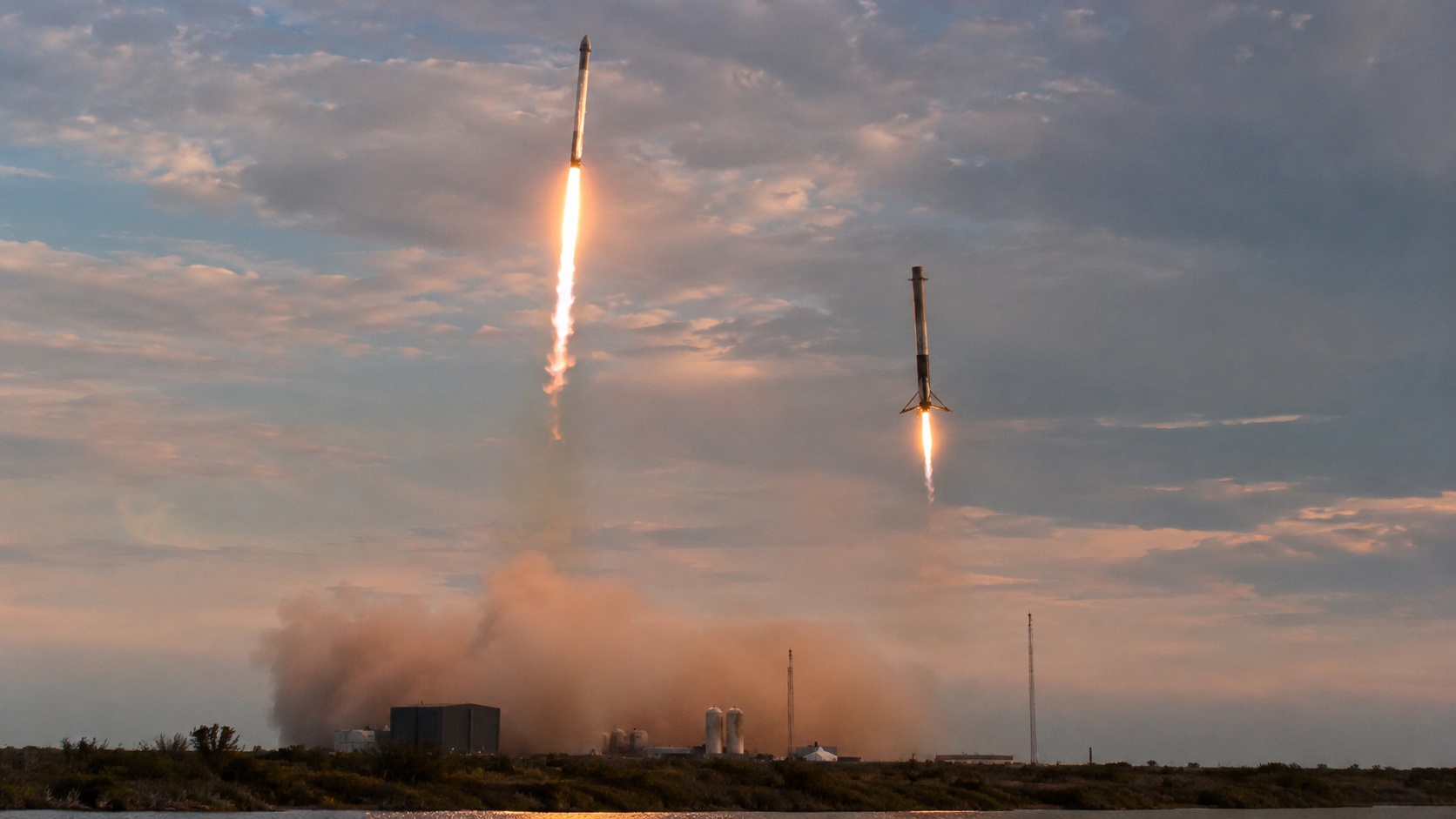
SpaceX started trading on the Nasdaq on June 12 at a fixed price of $135 per share under the ticker SPCX, implying a valuation of roughly $1.77 trillion. The IPO raised up to $75 billion, setting a new record for the largest US listing. Beneath the headline numbers, Wall Street is fiercely divided.
Bearish camp: Valuation bubble in plain sight
Morningstar analyst Nicholas Owens pegged SpaceX’s fair value at around $780 billion, 55% below the IPO price. His reasoning is blunt: only Starlink is profitable today, and xAI is expected to burn about $10 billion in 2026. He advises investors to avoid chasing the opening and wait for hype to fade.
New York University professor Aswath Damodaran, known as the “Dean of Valuation,” values SpaceX equity at $1.25 trillion to $1.3 trillion, or roughly $100 per share. He called the $26 trillion TAM cited for AI “fantasy land” and said the space and connectivity market “hits the ceiling of plausible imagination.” His verdict: “SpaceX’s value is narrative-driven.” He won’t short but won’t buy yet, expecting a potential 50%+ drawdown post-IPO like Facebook or Uber.
Zacks chief equity strategist John Blank sees a 40% to 60% decline within months, triggering earnings revisions, and flags the IPO as a potential market top signal.
Bullish camp: Sky-high targets
Oppenheimer analyst Timothy Horan rates SpaceX outperform with a $190 target, 41% above the offer price. He cites vertical integration in rockets, Starlink, chips, and AI, and sees a $10 trillion TAM by 2035.
Legendary investor Ron Baron projects SpaceX could be worth $30 trillion by 2040, over 16 times the IPO valuation. SpaceX is the largest holding in his fund ($15 billion out of $55 billion), and he has already booked a roughly 1,312% return. He points to global Starlink coverage and Musk’s space-based data centers.
Cathie Wood’s ARK Invest backs the $1.75 trillion valuation as “defensible” and sets a 2030 enterprise value of $2.5 trillion to $3.1 trillion, supported by Starlink’s 10 million users, projected $20 billion revenue this year, and a 95% reduction in launch costs since 2008.
Wedbush’s Dan Ives calls the IPO a “watershed” event and sees an over 80% chance that SpaceX and Tesla merge by 2027.
Even cautious voices lean bullish. Futurum CEO Daniel Newman says: “At $135, it may look expensive in one year, but cheap in five.”
Consensus: Open high, don’t chase
Bulls and bears agree on one thing: the stock will likely surge on day one but retail investors should stay away. The IPO is all-primary with no secondary selling, creating an extremely tight float. FOMO, passive index fund buying (for Nasdaq 100 inclusion), and supply-demand imbalance could fuel a massive pop.
CNBC’s Jim Cramer struggles to justify a $2 trillion market cap at 100 times sales. He warns the opening pop could double the valuation to nearly $4 trillion, driven by retail frenzy and forced buying. He calls it a speculative bubble “destructive to the market” and strongly advises against chasing.
University of Florida IPO expert Jay Ritter flags governance risks: Musk controls about 82% of voting rights via a dual-class structure, and capital may flow to Mars missions rather than shareholder returns. The “Musk effect” guarantees high volatility.