
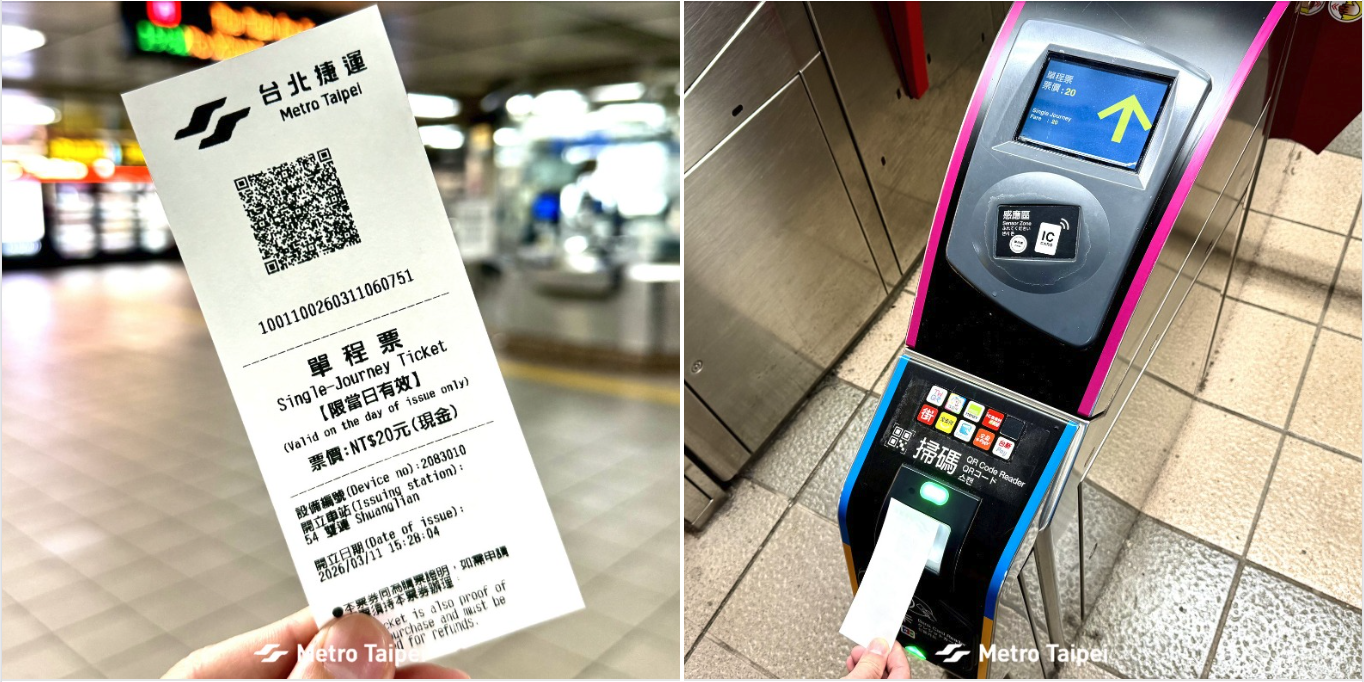
Taipei Metro said its blue plastic tokens, which have been used for nearly 30 years, will be fully retired in July 2026. They will be replaced by paper QR single-ride tickets, with mobile payment also becoming part of the transition. The new paper QR tickets are already being sold at ticket vending machines across the network starting this week.
End date set for the long-used blue token
The blue round token has long served as the standard format for single-journey fares on the Taipei Metro. That system now has a firm end date. According to the metro operator, from July 2026 onward, blue plastic tokens will no longer be used for regular single-ride travel, with paper QR tickets taking over that role.
The token format will not disappear entirely. Taipei Metro said tokens will remain in place for fare types that require identity verification, including senior tickets and child discount tickets, as well as some corridor fare collection scenarios.
Metro operator cites resource-heavy cleaning cycle
One of the main reasons given for the phaseout is environmental efficiency. A single token may look simple, but it sits inside a full recovery process: collection, washing, disinfection, drying, and redistribution. Each step consumes water, electricity, and transportation resources.
The operator also said blue tokens now account for only about 2% of usage. Those users are mainly tourists or passengers who temporarily do not have an EasyCard with them. With adoption falling to a small share of total trips, maintaining the token recovery and servicing system is no longer cost-effective.
Paper QR tickets will be valid only on the day of purchase
The new paper QR single-ride ticket comes with a simple rule set: buy it the same day, use it the same day. If unused, it expires automatically the next day and cannot be carried over. Riders can purchase the ticket at station machines or buy in advance through the “Taipei Metro Go” app using a credit card or mobile payment.
Taipei Metro’s fare system has moved through several formats over time, from cash purchases to EasyCard use, then contactless bank cards and phone-based payments. The retirement of the blue token adds another shift, this time replacing a physical reusable object with a lower-friction ticketing format for a shrinking use case.