
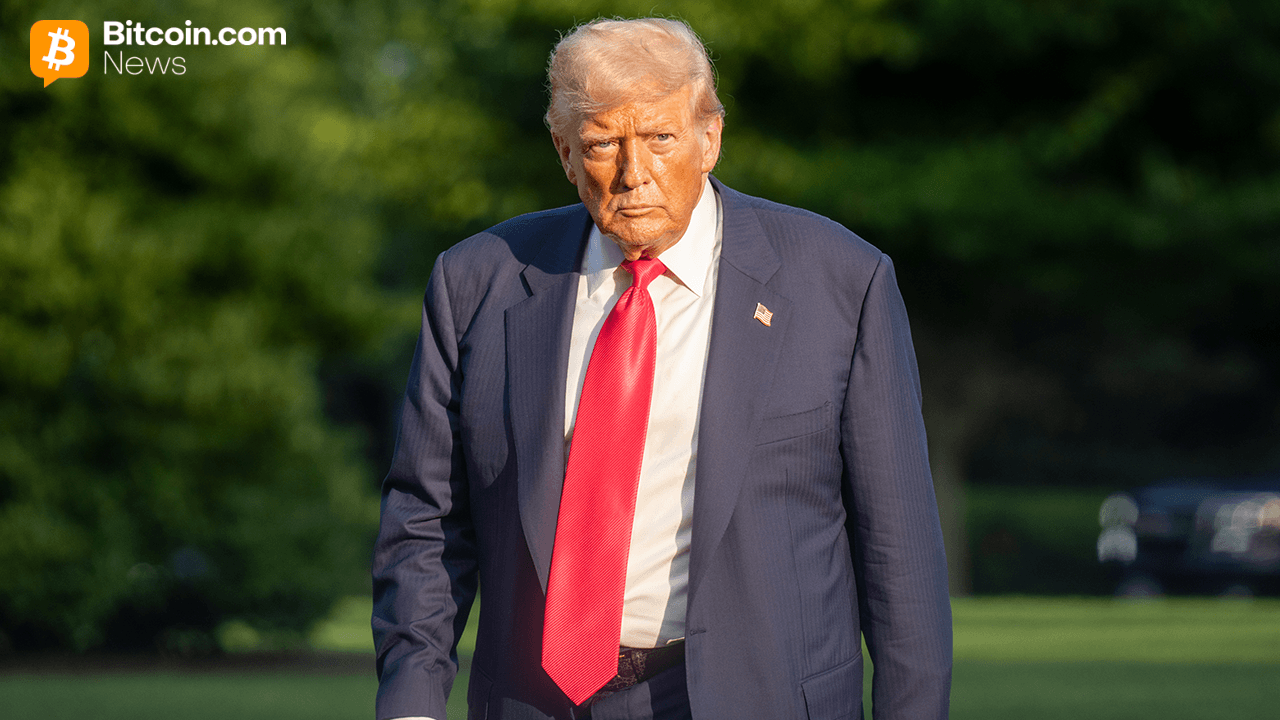
The U.S. national average for regular unleaded gasoline climbed to $4.52 per gallon on May 10, 2026, undercutting President Donald Trump’s claim that prices had fallen sharply. AAA figures showed pump prices stayed elevated during the period he referenced and only slipped by 1 cent, far from the substantial drop he described.
Trump made the remark during a press exchange this week as gasoline prices moved above $4.50 per gallon. The price trend pointed the other way. At his January 2025 inauguration, the national average was around $3.05 to $3.20 a gallon. It later eased to roughly $2.81 in January 2026, then turned higher and kept rising.
Gasoline moved up steadily from March into May
In March 2026, the monthly U.S. average stood at $3.64 per gallon. April rose to about $4.10. By early May, depending on the source, regular gasoline had reached a range of $4.45 to $4.58 per gallon. The latest week alone added about 25 cents to the national average. Compared with May 2025, when regular gasoline averaged $3.14 to $3.26, drivers are now paying more than $1.40 extra per gallon.
AAA data showed no week-over-week decline during the stretch Trump cited. On a monthly basis, prices were up about 40 cents. On a yearly basis, they were higher by more than $1.40. Weekly retail gasoline reports from the U.S. Energy Information Administration, or EIA, matched that direction.
Strait of Hormuz tensions pushed crude above $100
The report linked the latest surge mainly to the ongoing U.S.-Iran conflict. Military activity tied to tensions around the Strait of Hormuz disrupted an estimated 20% of global oil supply flows. Brent crude moved above $100 per barrel, while WTI traded around $94 to $95.
That crude move feeds into retail gasoline because oil usually makes up 50% to 60% of what consumers pay at the pump. The EIA said Brent could peak near $115 per barrel in the second quarter of 2026 if the conflict does not ease, while any de-escalation in the Strait of Hormuz could bring prices lower. At the same time, the Brent-WTI spread widened to $5 to $12 a barrel as shipping costs rose and supply routes faced disruption.
White House actions have had mixed results
Trump has repeatedly said prices would “come crashing down” after the fighting ends, and he has cited targets as low as $2 per gallon. The report said those statements remain speculative and depend on how quickly supply disruptions tied to the Strait of Hormuz are resolved.
It also noted that presidents have limited control over short-term retail gasoline prices. What consumers pay is shaped mainly by crude markets, refining margins, taxes and distribution costs. The Trump administration has used Strategic Petroleum Reserve releases and Jones Act waivers to try to ease pressure, with mixed outcomes.
The article compared the 2026 run-up with the 2022 spike under the Biden administration, when Russia’s invasion of Ukraine helped send the national average above $5 per gallon. Prices cooled between 2023 and 2025, then the current geopolitical shock reversed that move. Based on the latest data, the report said there is no support for the claim that gasoline prices fell this week in any substantial way. Retail gas prices also tend to lag crude by one to four weeks, and historically they often rise faster than they fall.