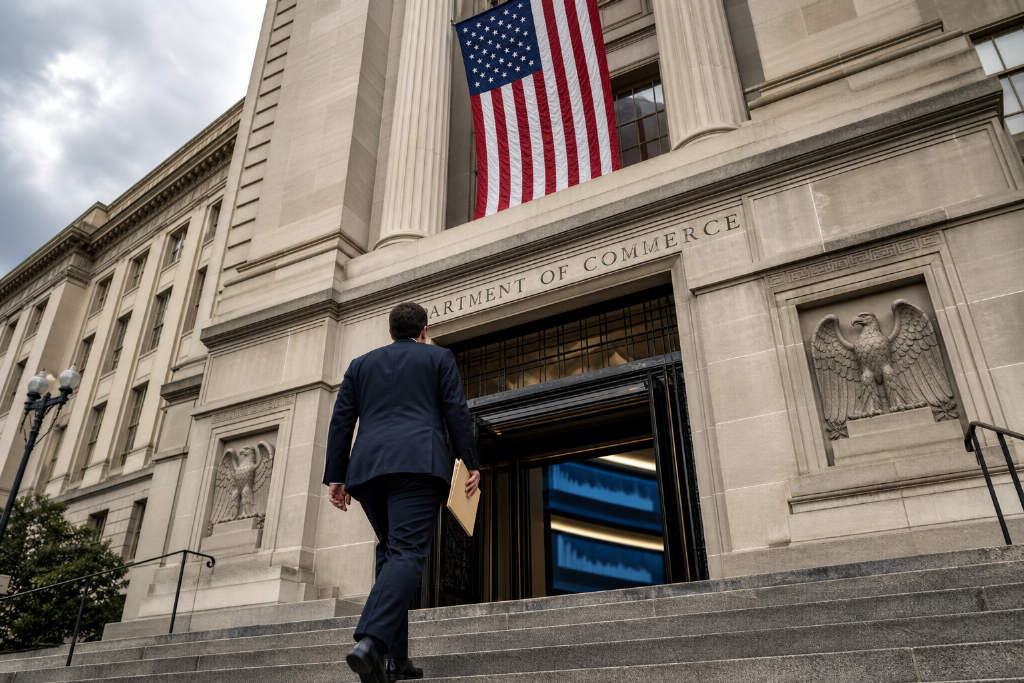
The U.S. Commerce Department is due to release its July Personal Consumption Expenditures, or PCE, price index at 20:30 Beijing time, a report markets are treating as a key input for the Federal Reserve’s next rate decision. Expectations cited in the source point to headline PCE rising 0.1% month over month, while the year-over-year reading is seen easing to 3.6% from 3.7% in June. Core PCE is expected to climb 0.2% on the month, up from 0.1%, with the annual rate holding at 3.3%, marking the 65th straight month above the Fed’s 2% inflation target.
The report also notes several factors that could feed into core inflation, including rising prices across the AI supply chain, higher portfolio management fees linked to elevated stock market valuations, and higher energy costs tied to tensions in the Middle East. Goldman Sachs said equity valuation effects alone may have added about 0.11 percentage point to July core PCE on a monthly basis. Investors are also watching a broader change ahead: the Bureau of Economic Analysis plans a full revision of the PCE methodology at the end of September, with possible adjustments to categories such as computer hardware, stock portfolio management, and legal services, alongside potential historical revisions. CME FedWatch data show a 59.9% probability that the Fed holds rates unchanged in September and a 40.1% chance of a 25-basis-point hike. Markets are also awaiting this week’s Jackson Hole gathering for fresh signals from Fed Chair Warsh on inflation and the rate outlook.
The U.S. Commerce Department will release the July Personal Consumption Expenditures, or PCE, price index at 20:30 Beijing time on Thursday, putting a fresh inflation reading in front of markets already split over the Federal Reserve’s September decision.
Market expectations cited in the report point to headline PCE rising 0.1% month over month in July, while the year-over-year figure is expected to ease to 3.6% from 3.7% in June. Core PCE is seen increasing 0.2% on the month, up from 0.1%, with the annual reading holding at 3.3%. That would leave core inflation above the Fed’s 2% target for a 65th consecutive month.
What markets are watching in the core reading
According to the source material, several factors may have pushed core inflation higher in July. They include rising prices across the AI supply chain, higher portfolio management fees driven by elevated stock market valuations, and energy cost increases linked to the situation in the Middle East.
Goldman Sachs said stock valuation effects alone may have contributed about 0.11 percentage point to July core PCE growth on a month-over-month basis.
Methodology changes are also approaching
Another issue drawing attention is a planned overhaul of the PCE statistical methodology by the U.S. Bureau of Economic Analysis at the end of September. The planned revision may change how prices are calculated for categories including computer hardware, stock portfolio management, and legal services.
The report said historical data could also be revised retroactively, which may make inflation readings harder to interpret.
September Fed path remains contested
Markets remain divided over the Fed’s policy path for September. CME FedWatch shows a 59.9% probability that the Fed leaves rates unchanged and a 40.1% probability of a 25-basis-point rate increase.
Beyond the PCE release, investors are also waiting for this week’s Jackson Hole symposium for fresh signals from Federal Reserve Chair Warsh on inflation and the direction of future rate policy.
This article was originally published by Bit.Fan. For more cryptocurrency news and market insights, visit www.bit.fan. Disclaimer:
The market information, project data, and third-party content displayed on this platform are for industry information sharing only and do not constitute any form of investment advice or return commitment.
Cryptocurrency trading carries high risks. Users should fully assess their risk tolerance and make independent decisions. All profits, losses, and legal responsibilities are borne by the users themselves.