
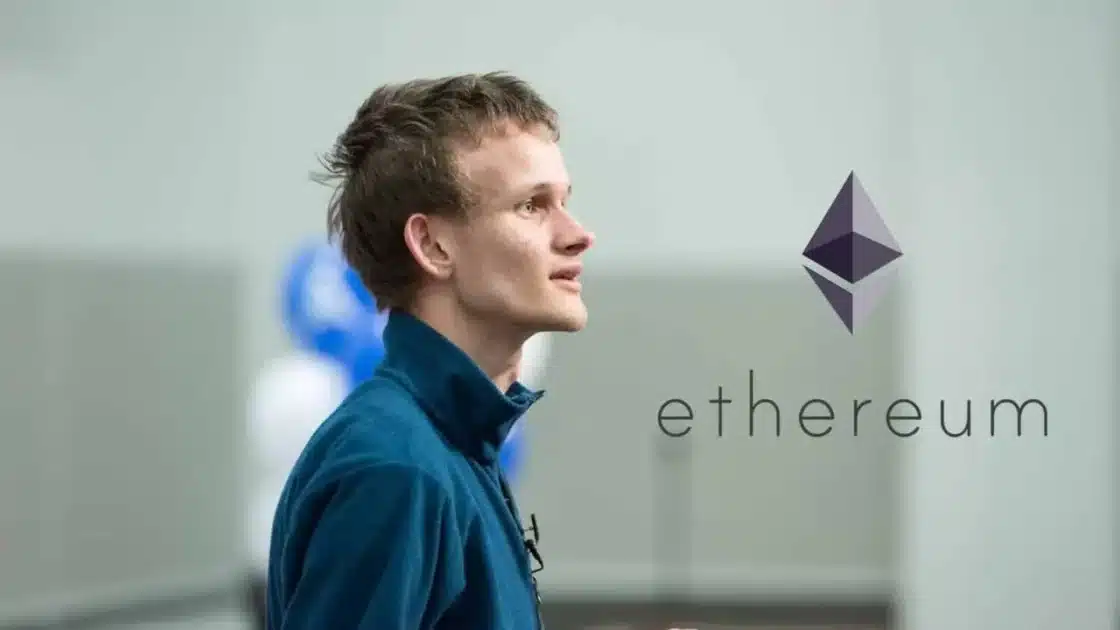
Vitalik Buterin, co-founder of Ethereum, has moved 16,384 ETH — worth roughly $45 million at current prices — to bankroll a broad range of open-source initiatives. The funds will be released over the coming years to build what he calls an “open-source, secure, and verifiable full stack” of software and hardware, spanning finance, governance, secure hardware, and even biotechnology for personal and public health.
Buterin Steps In as Foundation Enters ‘Mild Austerity’
The transfer, announced via an X post on Friday, marks Buterin’s personal assumption of responsibilities once labeled “special projects” by the Ethereum Foundation. He described the move as part of the foundation’s transition into a “period of mild austerity,” where core protocol development remains the priority but non-essential initiatives are handed to him personally.
Among the funded projects is the Kohaku wallet framework, designed to enhance on-chain privacy to a degree where private payments feel as seamless as public transactions. Buterin also cited plans to re-engage with decentralized social media in 2026, following Mask Network’s acquisition of Lens Protocol, aiming to let users control their data and foster competition in the social media space.
Privacy Push for 2026 and Beyond
Earlier this month, Buterin declared that 2026 will be the year Ethereum makes significant strides in regaining lost ground on privacy. The $45 million commitment is the largest personal financial backing he has made to date for non-core Ethereum development, signaling his conviction that self-sovereignty and trustlessness must be built into the ecosystem’s infrastructure.
The Ethereum Foundation will continue to focus on core protocol upgrades, while Buterin takes charge of funding experimental and longer-horizon work. No specific recipient addresses or contracts have been disclosed; Buterin stated the allocation will be phased and vetted. Industry observers note that while the capital injection could attract more developers to privacy and censorship-resistance layers, tangible outcomes may take years to materialize given the inherent complexity of open-source hardware and biotech projects.