
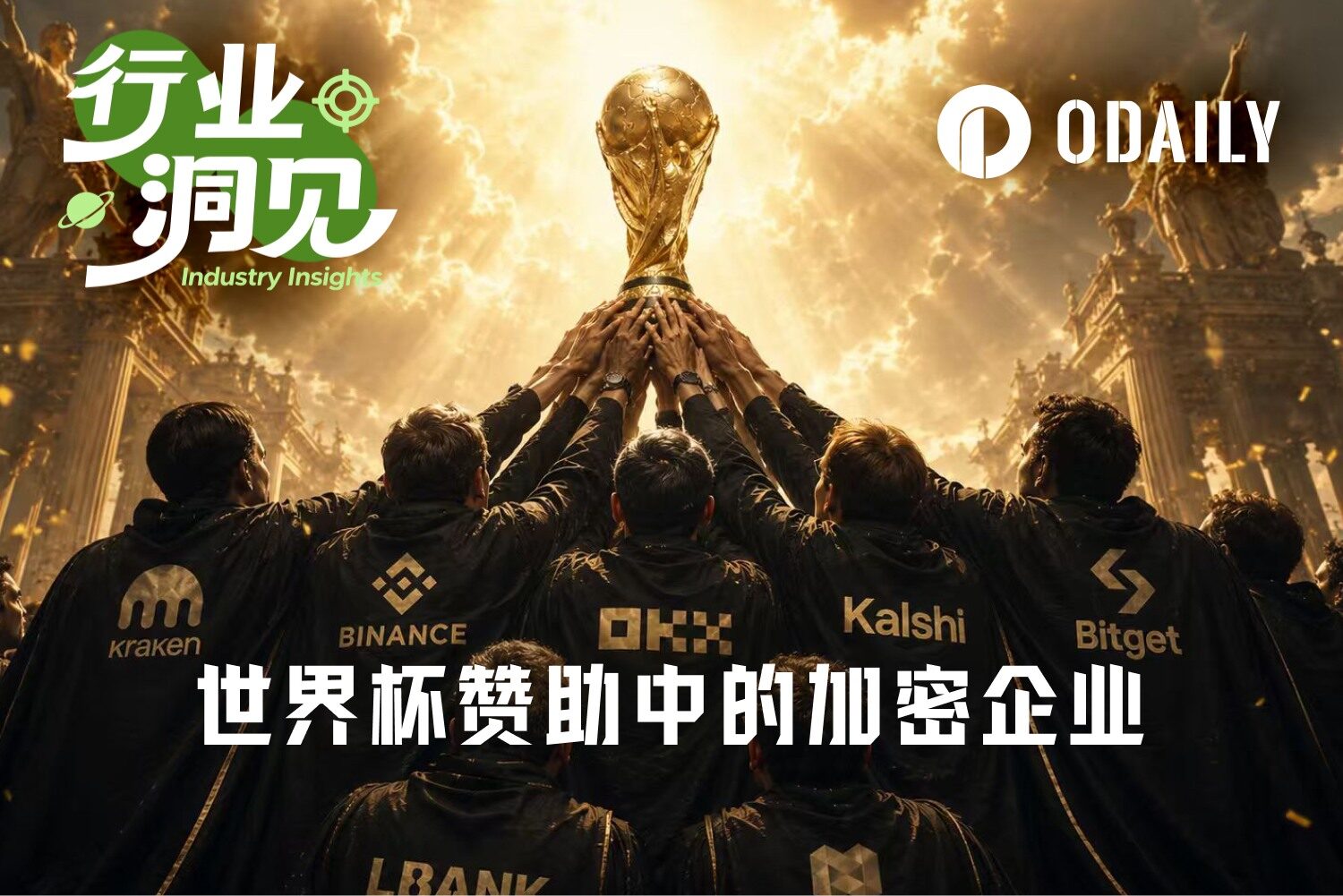
FIFA Official Sponsorships: Crypto Firms Nearly Invisible
The 2026 FIFA World Cup sponsor structure is divided into three tiers: global long-term partners (Lenovo, Coca-Cola, Visa, etc.), global sponsors for this edition only (Hisense, McDonald's, Mengniu, etc.), and regional/event suppliers (Airbnb, American Airlines, etc.). In the crypto space, only Kraken has secured an official spot as the North American and European crypto exchange sponsor, landing a Tier 3 supplier deal that grants pitch-side advertising and fan engagement rights across 16 host cities. This is a stark contrast to the 2022 tournament, where Crypto.com climbed to Tier 2 (the sole crypto trading platform sponsor) and Algorand served as the official blockchain platform, alongside numerous club and player-level deals.
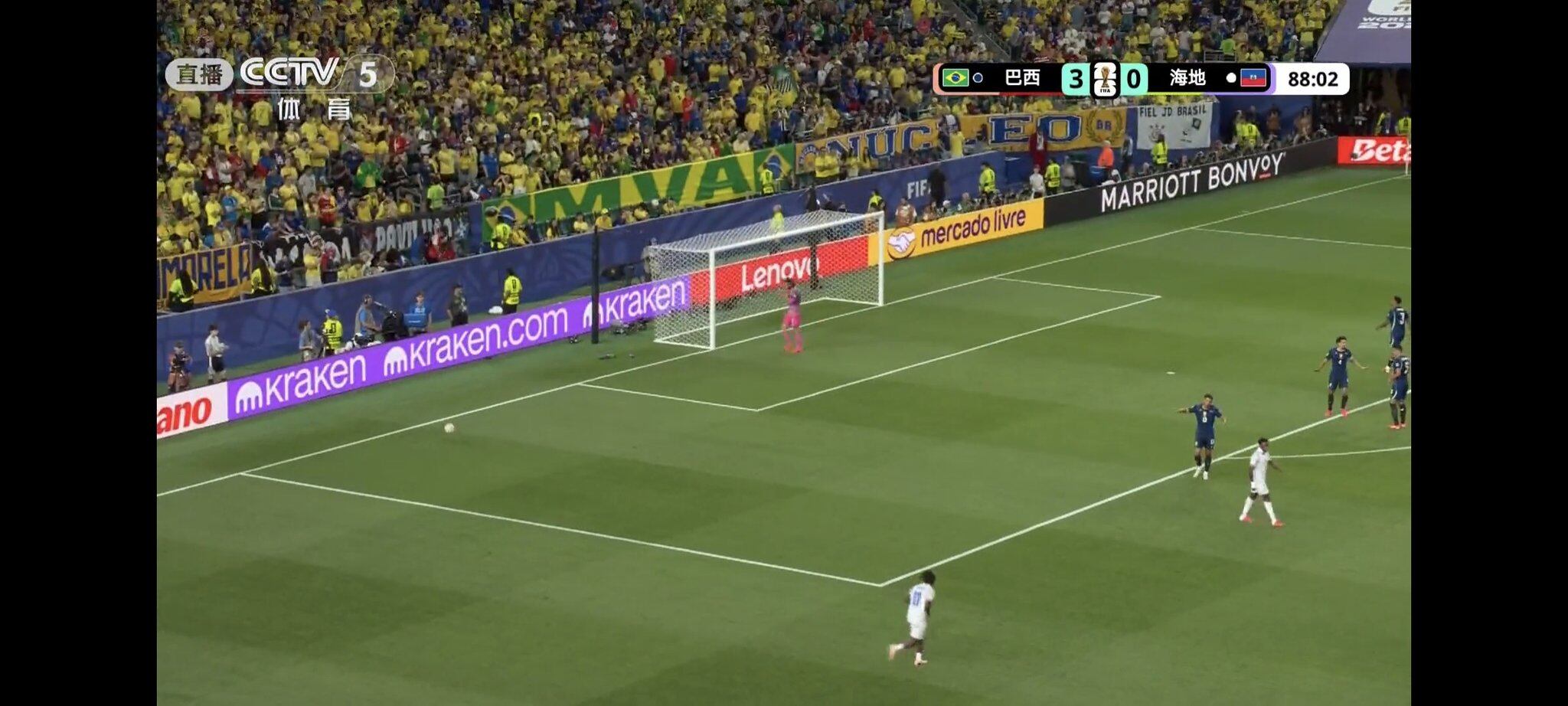
Crypto firms haven't abandoned the World Cup; instead, they have reallocated budgets to more cost-effective channels: national teams, clubs, and superstar athletes.
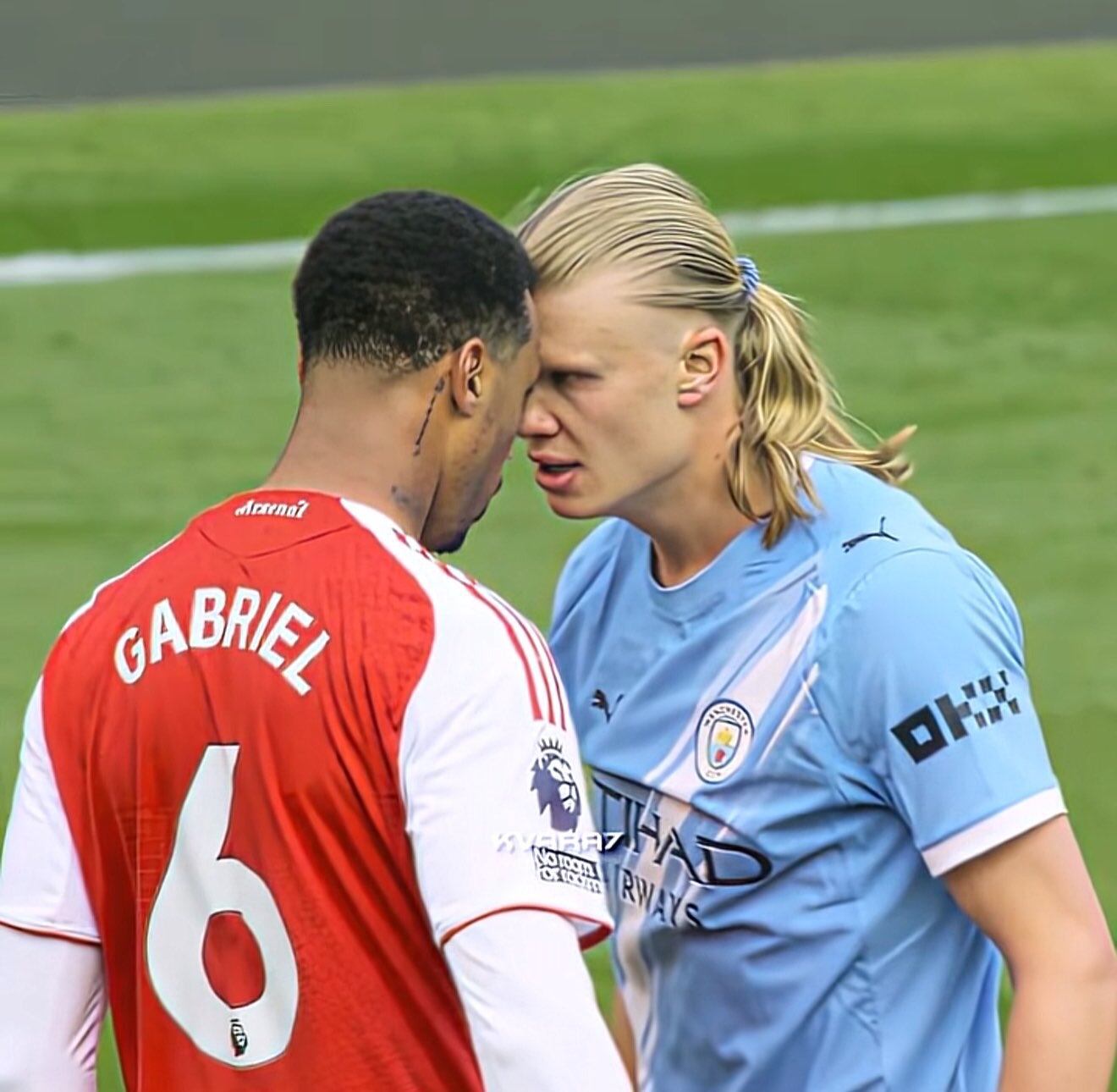
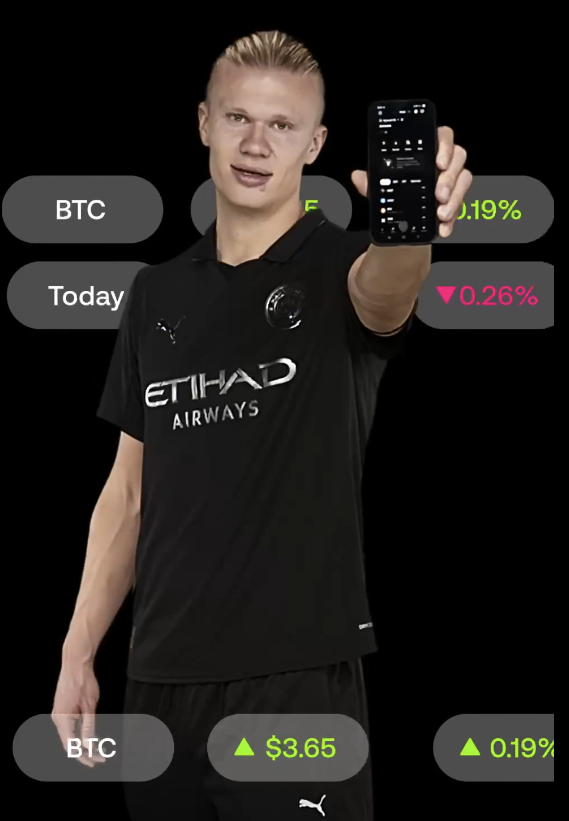
OKX: Betting Big on Manchester City and Haaland
Since March 2022, OKX has been a key sponsor of Premier League powerhouse Manchester City, currently occupying the sleeve advertising on both the men's and women's first-team kits. Reports indicate the three-year deal totals over $70 million. Beyond the club-level branding, OKX leverages star striker Erling Haaland's personal IP—featuring him in global ad campaigns for OKX Web3 wallet and trading products. Haaland's immense popularity on and off the pitch generates massive social media amplification during World Cup periods.
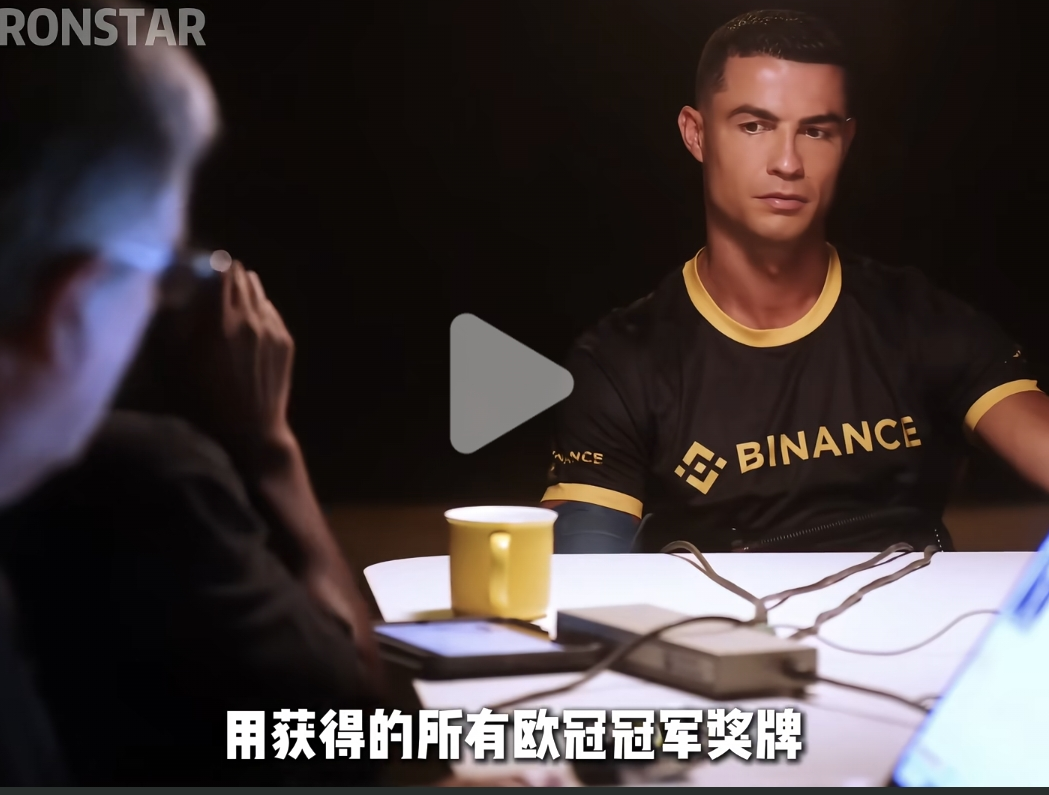
Binance: Direct Star Power with Ronaldo (Despite Legal Cloud)
Binance bypassed club partnerships entirely, signing a long-term exclusive deal with Portuguese icon Cristiano Ronaldo that covers image rights, brand ambassadorship, and NFT collaborations. The CR7 NFT collection launched in November 2022 featured seven dynamic figurines with varying rarity. However, the initiative led to a class-action lawsuit in late 2023, with U.S. investors seeking $1 billion in damages, alleging Ronaldo misled investors by promoting Binance NFTs. The case is still pending, but the partnership itself remains active. Ronaldo was seen wearing Binance-branded T-shirts in interviews ahead of the 2026 World Cup, ensuring continued global visibility. That said, Binance has made few new football sponsorship moves in this cycle; its 2022 five-year deal with the Argentine Football Association (worth ~$8 million annually) was terminated in July 2023 due to product delivery disputes, likely dampening its appetite for further expansion.
Bitget: Riding Messi’s World Cup Glory
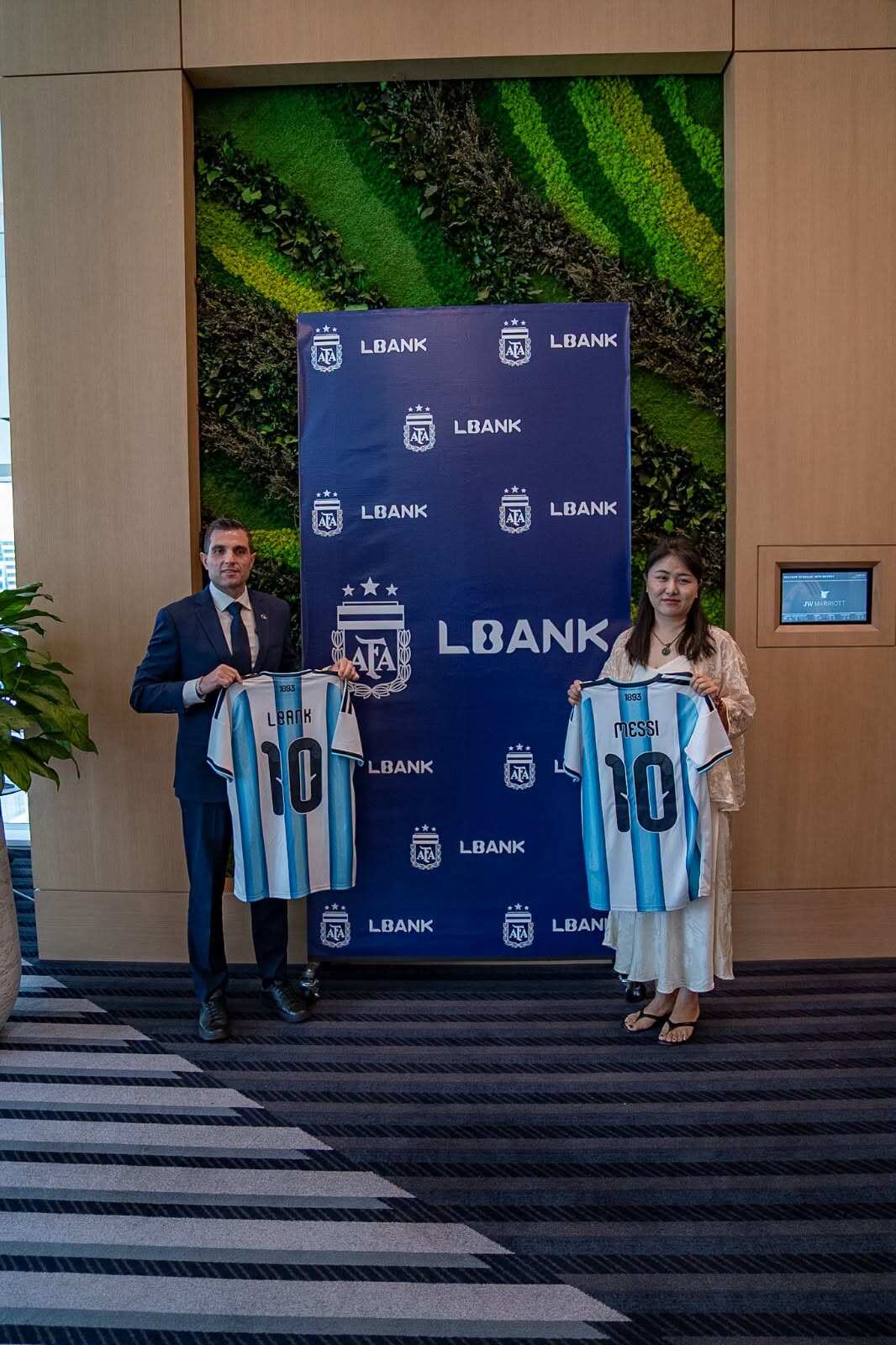
Bitget appointed Lionel Messi as its global brand ambassador in 2022, just before he led Argentina to World Cup victory—a masterstroke that became a milestone in Bitget’s brand history. Messi continues to feature in Bitget’s global ads and promotional videos. The downside of sole player endorsement is that the sponsor’s logo cannot appear on the pitch during matches, limiting in-game exposure.
Argentina National Team: Most Crypto-Deals Among National Sides
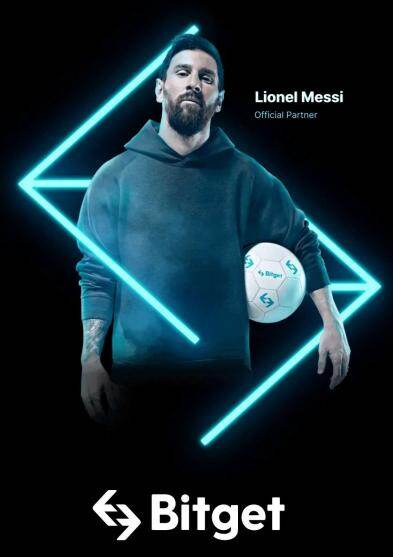
Despite the breakup with Binance, the Argentine Football Association (AFA) has become the national team with the highest density of crypto sponsorships. As of April 2026, AFA has signed multi-year agreements with Nexo (digital asset partner for South America/Latin America), BTCC (official regional partner), XBO.com (global sponsor for 2025, focusing on World Cup preparations), Deepcoin (regional partner for Asian markets including Vietnam and Taiwan), and ATFX (official regional sponsor). This makes Argentina a one-stop shop for second-tier exchanges and crypto platforms seeking World Cup-flavored user acquisition.
Kalshi’s Clever ‘Ad-Piggyback’: $20M Instead of $150M
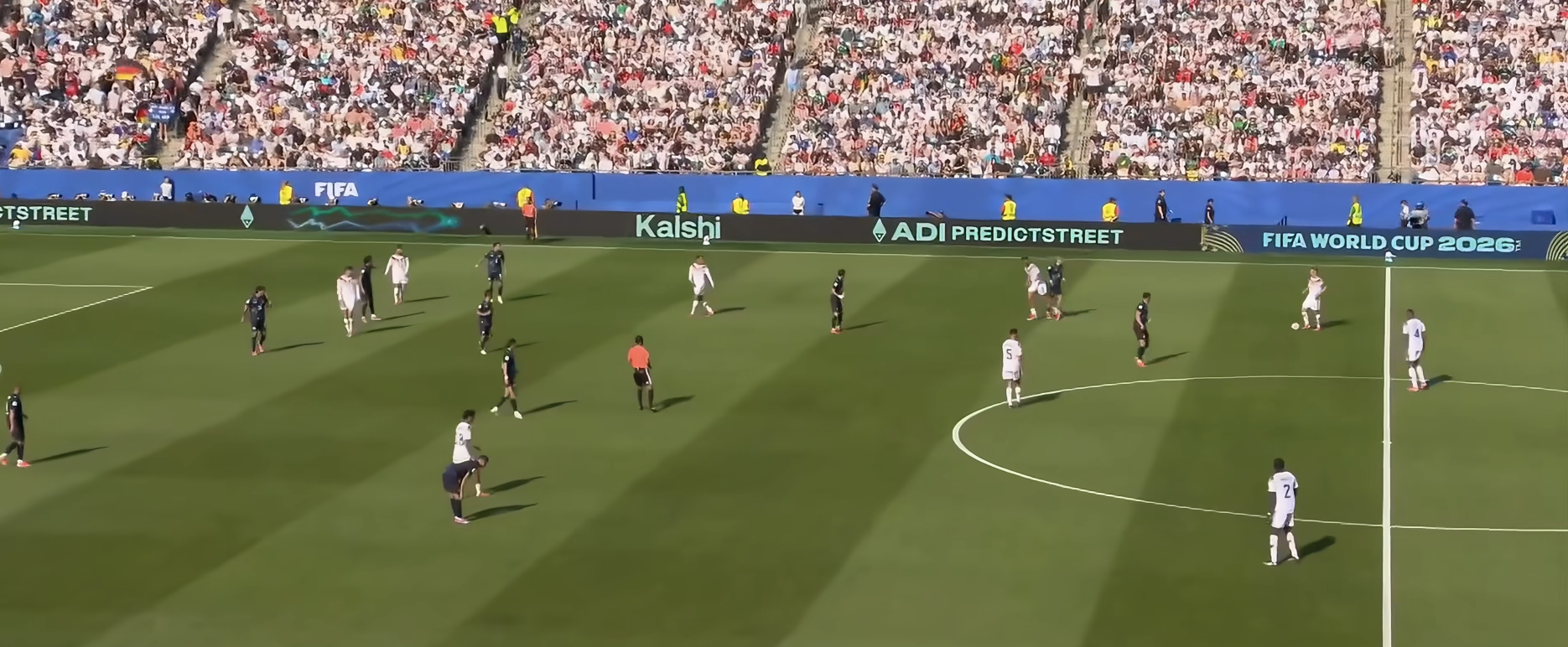
Prediction market Kalshi is the only such project to appear on World Cup pitch-side advertising—but it is not an official FIFA sponsor. In April 2026, ADI Predictstreet became FIFA’s sole official prediction market partner. Seizing the opportunity, Kalshi announced a strategic brand and product partnership with ADI Predictstreet on June 26, where from the knockout stages onward, Kalshi would share ad space with ADI in stadiums, on TV, and digital platforms. The cost: a reported $20 million paid to ADI Predictstreet. By contrast, FIFA had reportedly quoted Kalshi around $150 million for official sponsorship. This 'backdoor' approach gave Kalshi far more cost-effective exposure.
Why the Retreat from Mega-Sponsorships? Market Cycle and ROI Realities
New signings for this World Cup are notably fewer than in 2022, when the crypto bull market (Bitcoin hitting all-time highs in November 2021) fueled a flood of sports sponsorship money. By 2026, market conditions and industry confidence have cooled, even if Bitcoin remains elevated. More importantly, top crypto firms have become disillusioned with mega-event sponsorships. In April 2026, Bybit CEO Ben explained why his company did not renew its Red Bull F1 contract: the commercial value of the sponsorship declined year after year, while activation costs (including a dedicated execution team) far exceeded the fee itself. He also cited the 'politics' of fixed guest lists and expectations that, if unmet, could damage business relationships. These same dynamics likely apply to World Cup sponsorships. Crypto companies, increasingly focused on measurable ROI, now prefer to direct budgets toward a champion team, a superstar player, or even a cleverly 'piggybacked' pitch-side ad, rather than a prestigious but expensive official badge.