
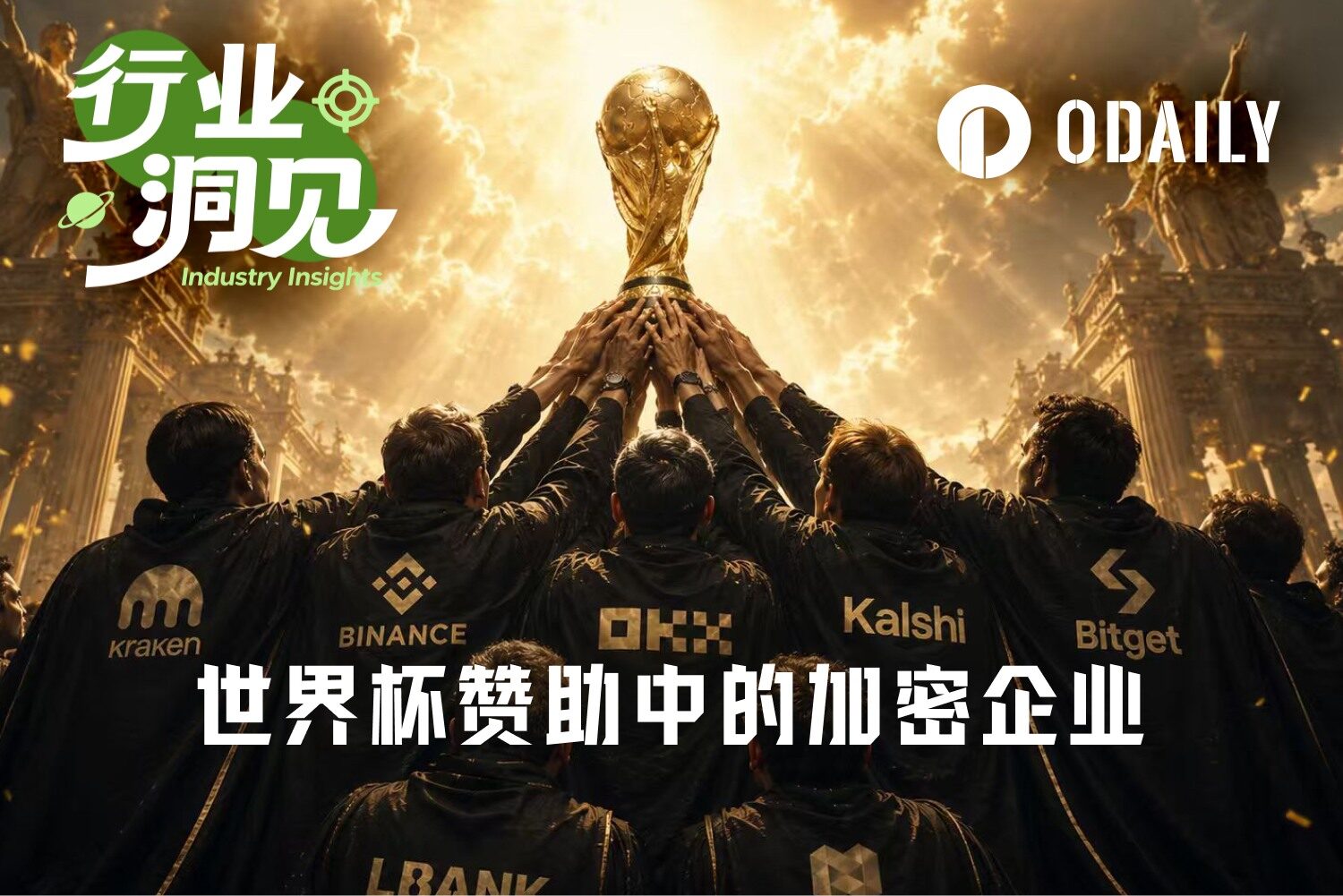
The World Cup remains one of the rarest attention assets in global media. According to the figures cited in the source article, FIFA is expected to generate a record-breaking $2.5 billion to $3 billion in revenue from marketing and sponsorship contracts for this tournament alone, up from $1.8 billion during the 2022 World Cup cycle. For international consumer brands, few events can concentrate so much audience attention on the same screens at the same time. Crypto companies, in theory, should be natural participants in that race for visibility. Yet this year, they are far less visible inside FIFA’s official sponsorship structure.
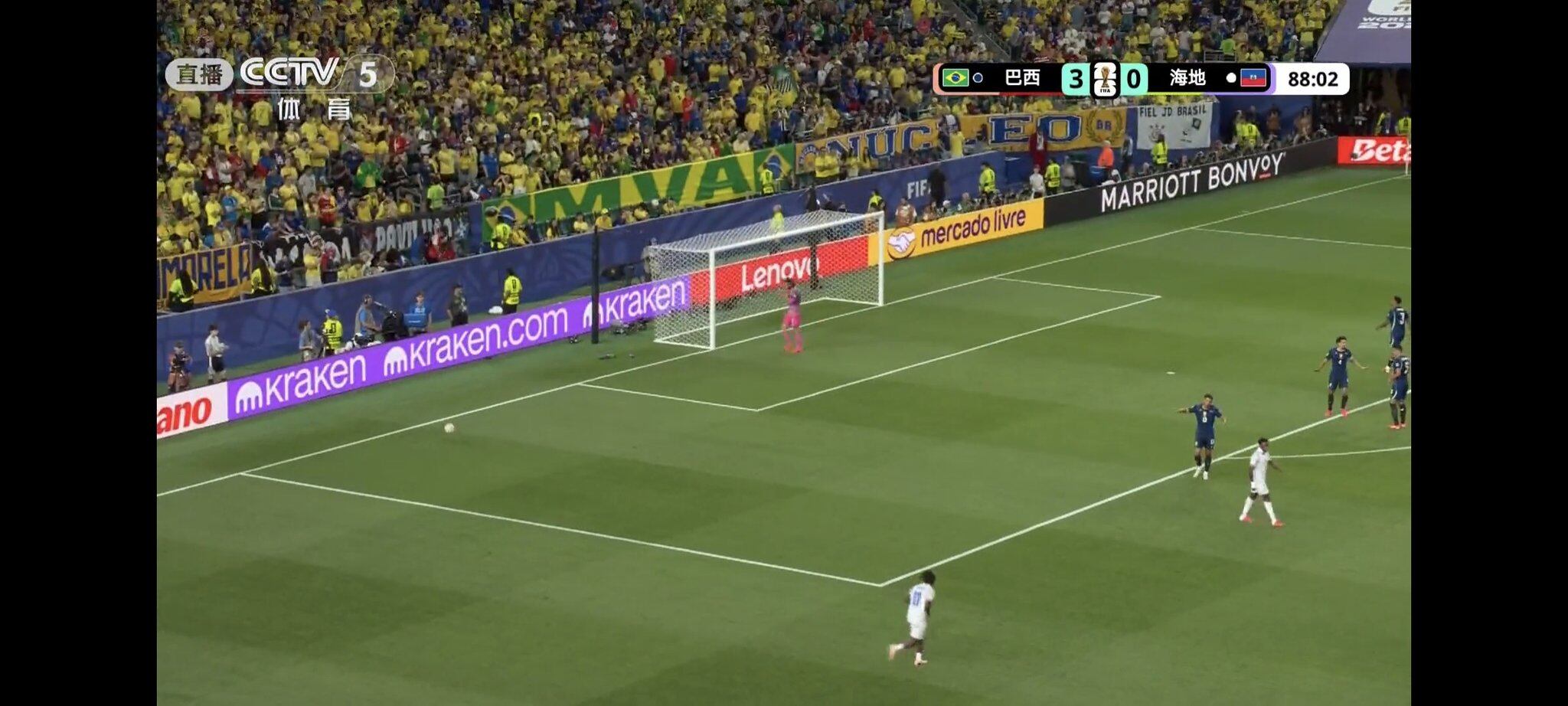
FIFA’s commercial sponsorship system is broadly divided into three levels. The first consists of long-term top-tier partners such as Lenovo, Coca-Cola, and Visa. The second includes global sponsors tied specifically to the 2026 World Cup cycle, including brands such as Hisense, McDonald’s, and Mengniu. The third tier covers regional partners and event suppliers, where names such as Airbnb and American Airlines appear. On the crypto side, only Kraken made it into the official system this year, and even then only as the official crypto exchange sponsor for North America and Europe, effectively a third-tier event supplier. Its rights reportedly include sideline grass-board advertising and fan engagement activations across 16 host cities.
That is a sharp contrast with the previous World Cup. In 2022, Crypto.com secured a second-tier sponsorship and became the only crypto exchange sponsor in the tournament’s official commercial system, while Algorand became the official blockchain platform. At that time, crypto firms were not only willing to pay for FIFA-level positioning, they were also aggressively spending at the club and player level. The current cycle looks very different. Crypto brands have not vanished from football, but they have clearly reduced their appetite for expensive headline sponsorships with broad and difficult-to-measure returns.
Why official FIFA sponsorships have lost appeal
The economics help explain the shift. As cited in the article, a second-tier FIFA sponsorship agreement typically costs between $65 million and $95 million, while first-tier partner packages can run materially higher. For crypto companies operating in a more selective market environment, that level of spending is increasingly hard to justify. The same budget can often buy premium access to leading clubs, high-profile national teams, or globally recognized players, while potentially delivering more frequent exposure and stronger commercial conversion.
This is the key change in the current cycle. Crypto firms are not abandoning football as a media category. Instead, they are reallocating budget away from high-cost “official partner” status and toward what the article calls traffic nodes: clubs, star players, football associations, and even individual advertising assets around the event. These placements may not carry the same prestige badge as a FIFA logo partnership, but they often offer better control over campaign design, more continuity beyond the tournament window, and more direct links to specific regional or product goals.
For exchanges and other crypto platforms, this is especially relevant. A World Cup title or category sponsorship delivers broad awareness, but broad awareness alone is no longer enough. In a market that increasingly emphasizes efficiency, retention, and measured ROI, brands want visibility that can be integrated with product campaigns, social distribution, and community activation. That makes team partnerships, player endorsements, and tactical media placements more attractive than a single, expensive umbrella deal.
OKX chose Manchester City and Erling Haaland over FIFA prestige
Among major crypto brands, OKX stands out as one of the clearest examples of this strategy. Instead of prioritizing a large FIFA package, it concentrated real money on Manchester City and on the club’s most powerful individual attention engine, Erling Haaland. According to the source, OKX’s partnership with Manchester City began in March 2022 and has since developed into one of the club’s core commercial relationships. Reportedly, OKX paid more than $70 million over a three-year term.
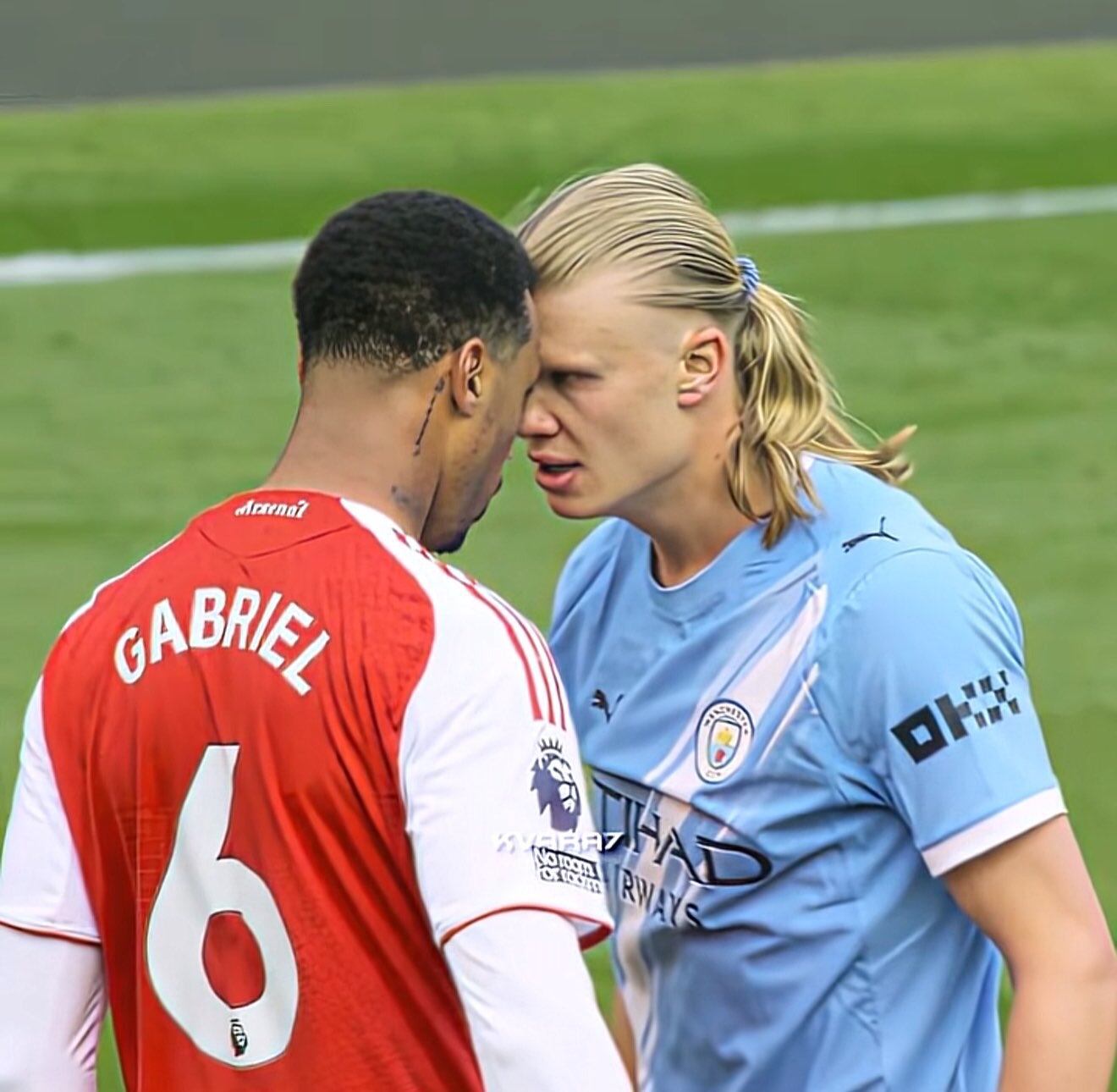
The structure of the deal matters. Earlier in the relationship, OKX mainly occupied chest branding on the men’s and women’s first-team training kits. It has now moved into one of the most valuable recurring assets in football sponsorship: the sleeve logo on Manchester City’s men’s and women’s first-team match shirts. For a crypto exchange, this creates a much more durable media presence than a single-event activation. The brand appears throughout domestic leagues, cups, international fixtures, club content, and global social media packaging, not just during a single tournament period.
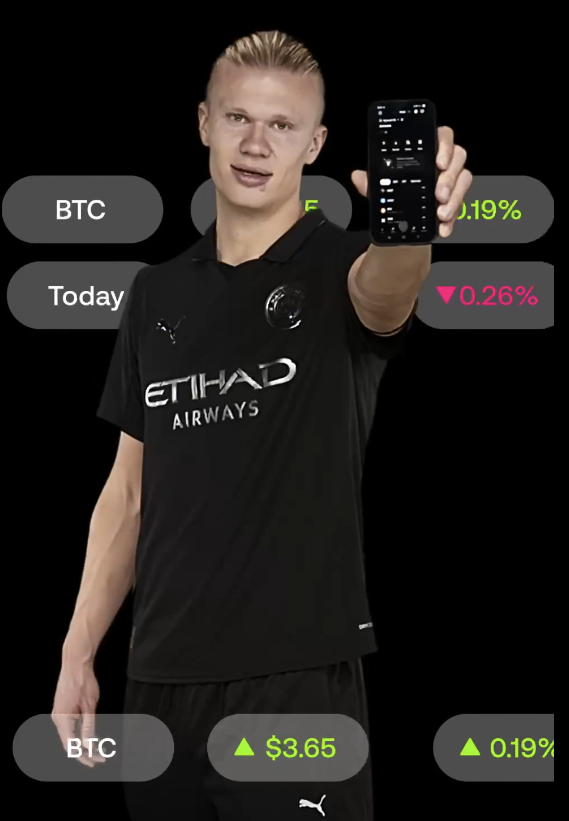
At the same time, OKX has clearly understood the multiplier effect of player IP. Haaland is not just a Manchester City player; he is one of the strongest football media personalities in the world today, both on the pitch and online. The article notes that Haaland frequently appears in OKX marketing materials and product campaigns, including global promotions tied to the OKX Web3 wallet and broader trading product lines. This “club plus superstar” configuration offers two layers of value: direct in-game logo visibility through the shirt asset, and secondary social amplification through the player’s image and fan network.
That combination may be more useful for a crypto platform than a static tournament partner badge. It connects branding with content, allows repeated campaign bursts across the year, and can be adapted to regional growth priorities. In other words, OKX appears to be buying not only exposure, but a reusable football media infrastructure.
Binance stayed with Cristiano Ronaldo while stepping back elsewhere
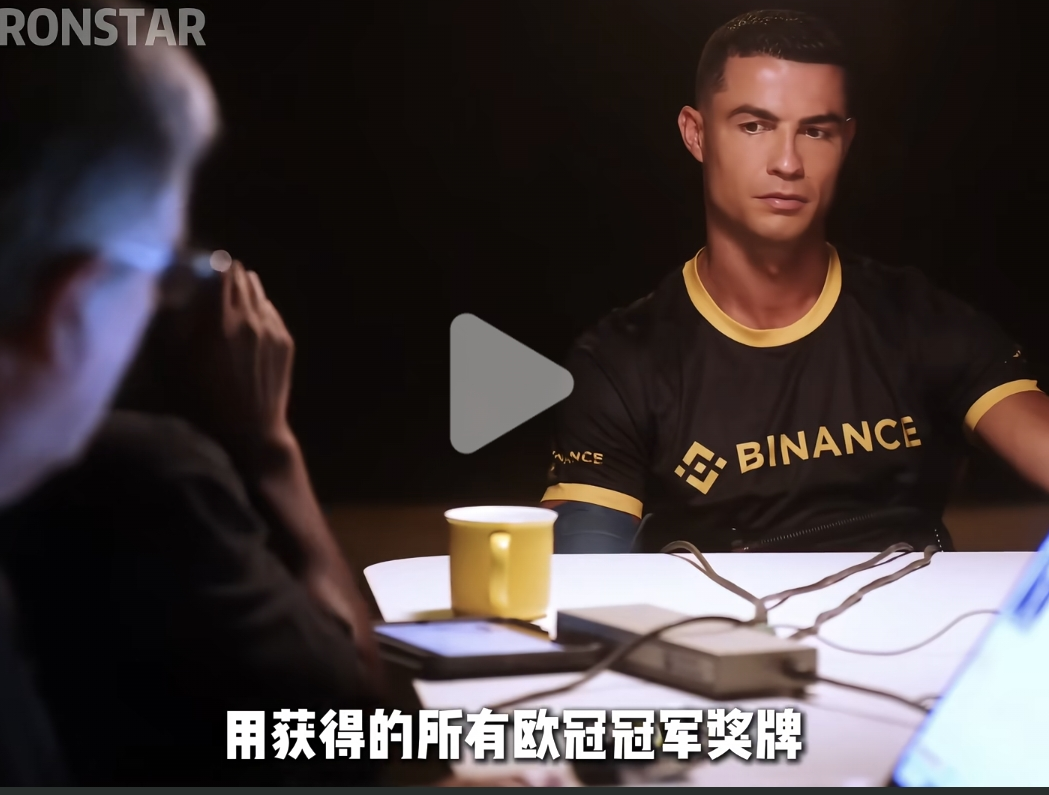
Binance took a different route. Rather than indirectly benefiting from player attention via a club, it chose to bind itself directly to one of football’s biggest celebrities: Cristiano Ronaldo. The partnership began in mid-2022 as a long-term exclusive collaboration. It included use of Ronaldo’s image rights, brand endorsement, social media promotion, and co-branded NFT drops. The best-known example was the CR7 NFT collection launched in November 2022, built around seven animated Ronaldo character versions with different rarity tiers.
That campaign, however, later introduced legal complications. At the end of 2023, U.S. investors filed a class-action lawsuit against Ronaldo seeking $1 billion in damages, alleging that his promotion of Binance NFTs misled investors. The article notes that the case has not yet produced meaningful progress. Even so, the commercial relationship itself has not been interrupted. Ronaldo continues to appear in Binance’s global advertising and promotional videos, indicating that Binance still sees value in maintaining a direct superstar endorsement even amid regulatory and legal pressure.
Where Binance looks more restrained is in new football sponsorship expansion. The company previously signed a five-year agreement with the Argentine Football Association in 2022, but it terminated that deal on July 17, 2023. The breakdown was reportedly related to disputes over product delivery, with the relationship deteriorating as a result. The reported annual value of the agreement was around $8 million. The article suggests that this difficult experience may be one reason Binance has not pushed aggressively into new football sponsorships in recent years.
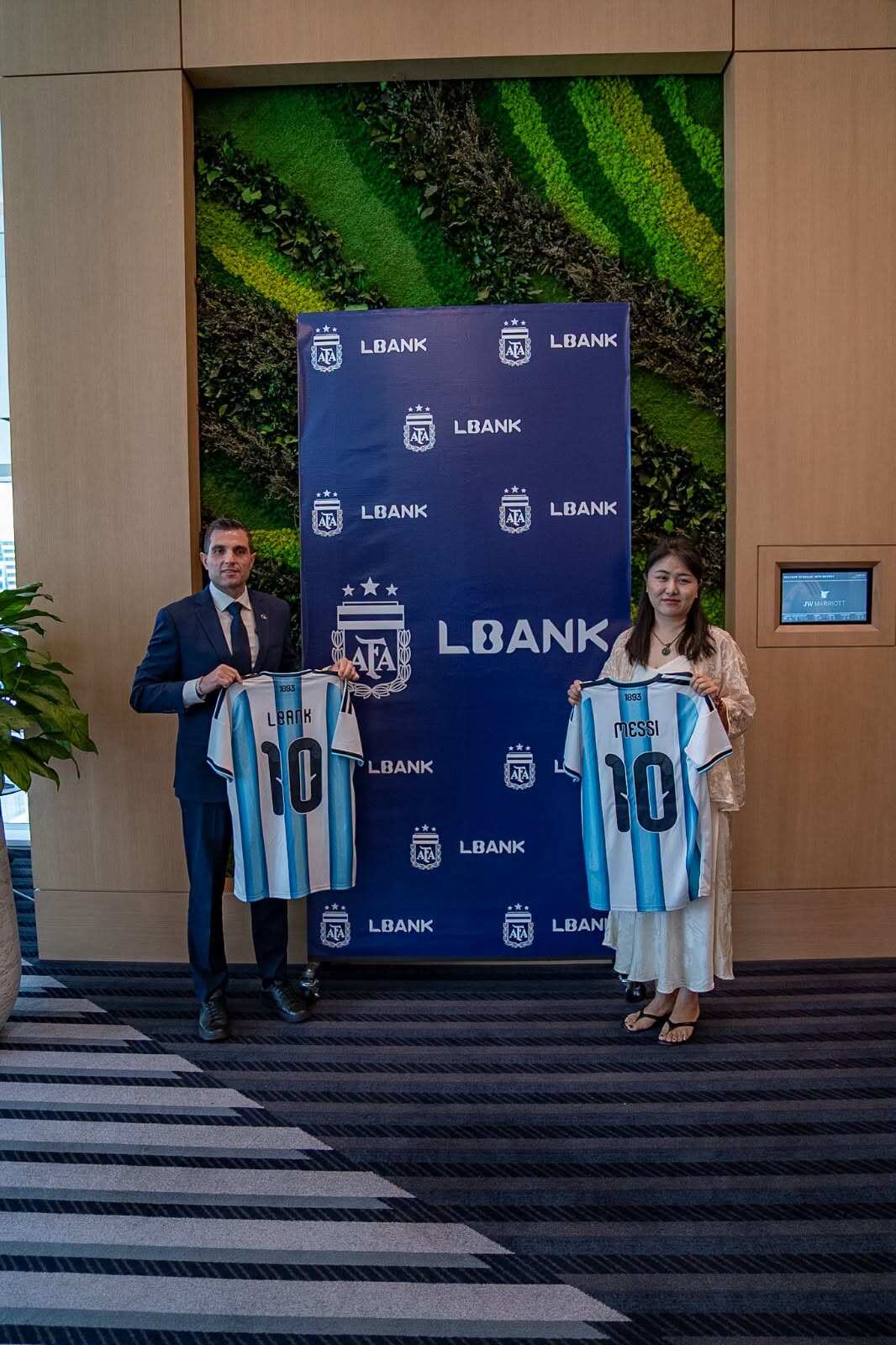
Interestingly, the collapse of the Binance relationship did not reduce the Argentine Football Association’s attractiveness to crypto brands. If anything, Argentina has become one of the most crypto-sponsored football associations in the market, especially among second-tier exchanges and platforms looking for fan acquisition and deposit growth. The article lists multiple examples:
- Nexo signed a multi-year agreement with the Argentine Football Association on April 14, 2026, becoming the official digital asset partner for South America and Latin America.
- BTCC signed a multi-year agreement on April 2, 2026, becoming an official regional partner.
- XBO.com signed a one-year agreement in 2025, becoming an official global sponsor for 2025 with a focus on 2025 events and the build-up to the 2026 World Cup.
- Deepcoin signed a multi-year agreement in March 2026, becoming an official regional sponsor covering markets such as Vietnam and Taiwan in Asia.
- ATFX signed a multi-year agreement in January 2026, also becoming an official regional sponsor.
Together, these deals show another layer of the sponsorship shift: instead of one or two giant headline crypto deals, the market is fragmenting into many narrower partnerships targeted by region, language, and customer profile.
Bitget and Messi: a player-first strategy that still pays off
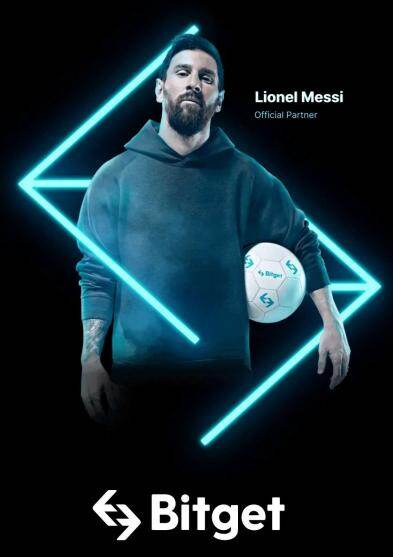
Bitget followed a path similar to Binance in one important sense: it also went directly after a football icon rather than a FIFA package. In 2022, Bitget named Lionel Messi as its global brand ambassador and built campaigns around Messi’s No. 10 identity and Bitget’s then-core retail product push, especially Copy Trading. In retrospect, the timing could hardly have been better. Messi went on to lead Argentina to victory in the 2022 World Cup, turning the partnership into one of the most memorable brand moments in Bitget’s growth history.
The partnership has continued. Messi still appears across Bitget’s global advertisements and brand videos, which means the company continues to benefit from a globally recognizable athlete associated with winning, consistency, and mainstream reach. That said, the article also highlights the trade-off in this model. A player endorsement creates powerful social and commercial storytelling, but it does not put the exchange’s logo directly on the pitch in the same way a shirt or sleeve deal would. The brand rides the celebrity, but not the live match camera angle.
That distinction matters because it shows how crypto sports marketing has become more nuanced. The choice is not simply between “sponsor football” and “do not sponsor football.” It is about choosing the specific media geometry that best serves a company’s goals. Club sponsorships maximize visible match inventory; player sponsorships maximize personality-driven distribution; federation deals offer regional legitimacy; tactical media buys can deliver event-level presence without full event-level cost.
Kalshi’s workaround may be the sharpest ROI example
Another notable case in this World Cup cycle is Kalshi, the prediction market brand that viewers spotted on pitchside boards despite the fact that it was not part of FIFA’s official sponsorship structure. According to the article, Kalshi reportedly rejected a FIFA sponsorship offer worth around $150 million. Yet it still managed to get onto the tournament stage. That made it one of the most interesting examples of alternative event marketing in the broader crypto-adjacent space.
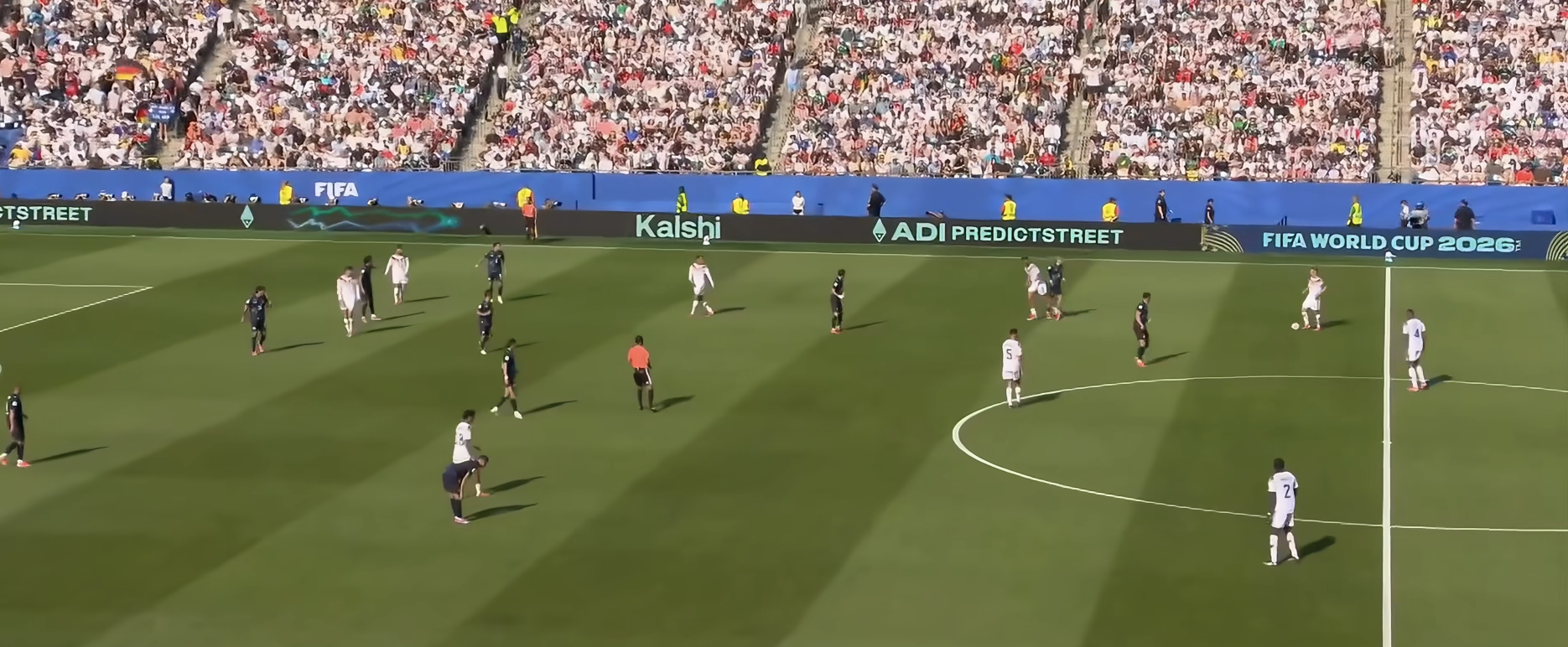
The mechanism ran through ADI Predictstreet. On April 2, 2026, ADI PredictStreet became FIFA’s only official World Cup prediction market partner. Then, on June 26, Kalshi announced a strategic brand and product partnership with ADI Predictstreet. Once the knockout stage began, the two brands shared advertising inventory and conducted joint branding across stadiums, television, and online channels.
This is why Kalshi could be seen alongside ADI Predictstreet on the perimeter advertising boards around the pitch. The article reports that Kalshi paid ADI Predictstreet approximately $20 million for the ability to appear in parallel during matches. Compared with a direct FIFA sponsorship offer of $150 million, that is a dramatic reduction in cost for a highly visible outcome. In pure media-buying terms, it looks like a textbook example of opportunistic access: piggyback on an official rights holder rather than buying the full rights bundle yourself.
For crypto and crypto-adjacent companies, the implication is straightforward. If the goal is attention rather than ceremonial status, there may be many ways to enter the event economy without paying for the top table. Kalshi’s strategy illustrates how brands in a more disciplined budget environment are willing to engineer exposure creatively rather than overpay for exclusivity.
From flex spending to ROI discipline
Seen together, these cases point to a broader structural shift in how crypto companies approach sports sponsorship. The industry has not left the World Cup. What has changed is the investment logic. During the earlier market cycle, especially around 2021 and 2022, crypto firms were more willing to use major sports properties as symbols of legitimacy, scale, and “mass adoption” ambition. That period coincided with stronger market conditions and much higher confidence. Bitcoin had reached its all-time high in November 2021, and industry spending behavior reflected a belief that broad consumer expansion was still accelerating.
By 2026, conditions are different. Market sentiment is weaker, confidence is more selective, and budget scrutiny is much tighter. In that environment, sponsorship decisions are no longer made primarily for prestige. They are assessed against conversion potential, execution complexity, and the cost of activating rights after the contract is signed. This is an important point, because headline sponsorship fees are only part of the true cost. Staffing, event operations, hospitality, invite management, co-branded content production, and local activation all add meaningful overhead.
The article reinforces this with a parallel from outside football. In April this year, Bybit CEO Ben reportedly explained for the first time why the company chose not to renew its Red Bull Formula 1 sponsorship. He said the commercial value of F1 sponsorship had declined over time, while the cost of activating all sponsorship rights kept rising. In some cases, even the cost of maintaining the execution team could exceed the sponsorship fee itself. He also pointed to the increasingly fixed guest-invitation structure and the political burden that can form around hospitality access.
That diagnosis maps neatly onto the World Cup question. For a crypto company that increasingly prioritizes ROI, paying more than $100 million for an official tournament title may no longer make sense when the same money could support a champion-level club, a global superstar, or a tactical sideline visibility strategy with more flexibility and lower operational drag. The World Cup remains the same elite traffic arena it has always been. But crypto’s way of buying access has become more fragmented, more selective, and much less interested in using sponsorship simply as a demonstration of financial firepower.
In that sense, this cycle’s apparent retreat is not a disappearance but a maturation. Official FIFA seats have cooled. Teams, players, regional federations, and ad-inventory partnerships have heated up. The spending has moved down the funnel, closer to measurable outcomes, and further away from prestige for prestige’s sake.