
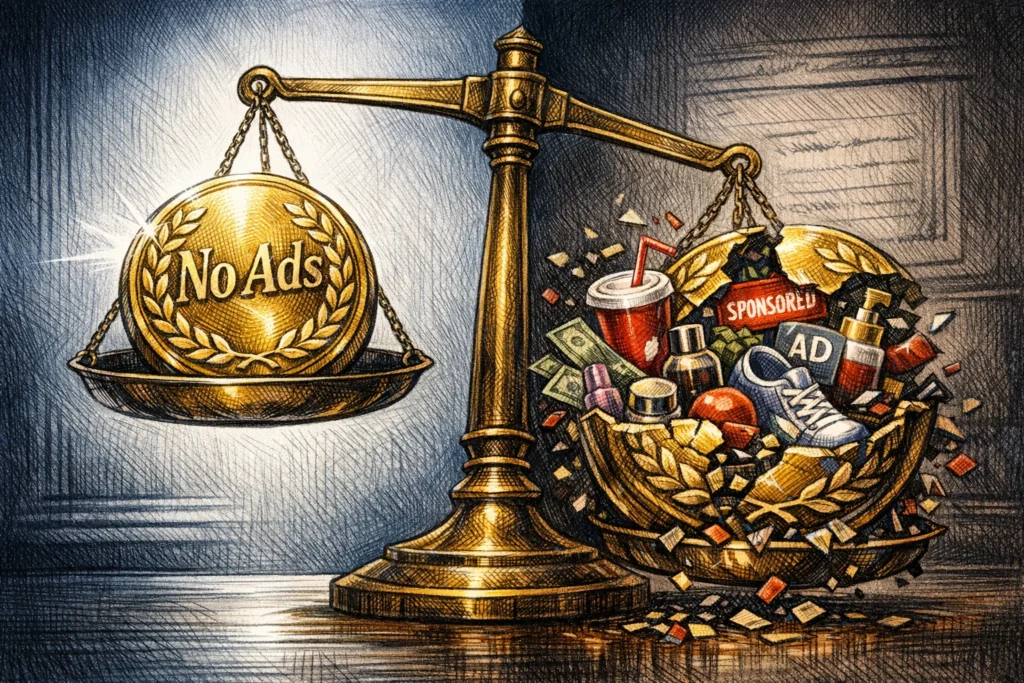
Google is facing a proposed class action in the U.S. after two California subscribers sued over YouTube Premium’s use of phrases including “No ads” and “Unlimited ad-free videos,” arguing that paying users still encounter sponsored content embedded by creators inside videos.
The complaint was filed on July 14 in federal court for the Northern District of California. At the center of the case is a narrow question with broad implications: whether YouTube Premium’s “ad-free” promise applies only to ads inserted by YouTube, or also to paid brand placements and promotional segments built directly into the videos themselves.
The dispute turns on how “ads” are defined
The plaintiffs argue that a reasonable subscriber could read “No ads” as a promise that commercial content will not appear during viewing. In practice, they say, that is not what happens, because creator-read sponsorships, product placements, and other paid promotional segments remain visible even for Premium users.
The report draws a technical distinction between the two forms of advertising. YouTube-served ads are separate signals inserted by the platform in real time as a video plays, and those can be turned off by the service. Creator sponsorships work differently. They are negotiated during production, then edited directly into the video itself, outside YouTube’s ad delivery system.
That gap in how the content is delivered is also what creates the legal dispute over what YouTube’s ad-free marketing actually covers.
Plaintiffs point to different wording across subscription tiers
A key part of the complaint compares YouTube’s own descriptions of its paid plans. Premium Lite is described as offering “Most videos are ad-free,” language that leaves room for exceptions and suggests that some advertising may still appear.
The full Premium tier, which costs more, is marketed with the broader claim “No ads,” without similar limiting language. According to the plaintiffs, that contrast supports their argument that Google’s marketing was misleading.
Two California subscribers filed the case
The plaintiffs are California residents William Fleming and Devin Rose. They accuse Google of selling YouTube Premium as an uninterrupted, ad-free experience while delivering something different once users pay for the service.
Fleming’s subscription history reportedly goes back to 2019, and the report says he spends about six hours a day on YouTube. In the past week alone, he said he saw in-video promotions for financial tools, several mobile games, and Incogni, a privacy-focused service.
Google had mentioned creator promotions in support material
Google has not been described as silent on the issue in every corner of its documentation. The report says the company’s online support files noted that Premium subscribers may still come across commercial promotions or shopping prompts added by creators.
The plaintiffs reject that as sufficient disclosure. Their argument is that the warning was tucked away in help-page material and was never clearly stated in the subscription terms users actually agree to when signing up.
Potential class could reach millions
The proposed class is broad. According to the complaint, any adult U.S. user who subscribed to Premium for at least one month after relying on the service’s “ad-free” and uninterrupted marketing could potentially be included in a nationwide class action.
The plaintiffs claim Google violated consumer protection law and say the number of eligible members could reach into the millions. They also argue that the amount at stake for each individual subscriber is small enough that few people would pursue a lawsuit on their own.
No public response yet from Google or YouTube
As of now, neither Google nor YouTube has publicly responded to the lawsuit, according to the report.
If a court ultimately decides that creator sponsorships count as advertising for purposes of an ad-free subscription promise, the ruling could force a rethink of how streaming services describe those offerings. Any platform that still contains brand placements inside its content may face closer scrutiny over how it uses “ad-free” language in marketing.