AI infrastructure14 hours ago News Editor
AI infrastructure is running into power, cooling and packaging limits — not just a GPU shortage
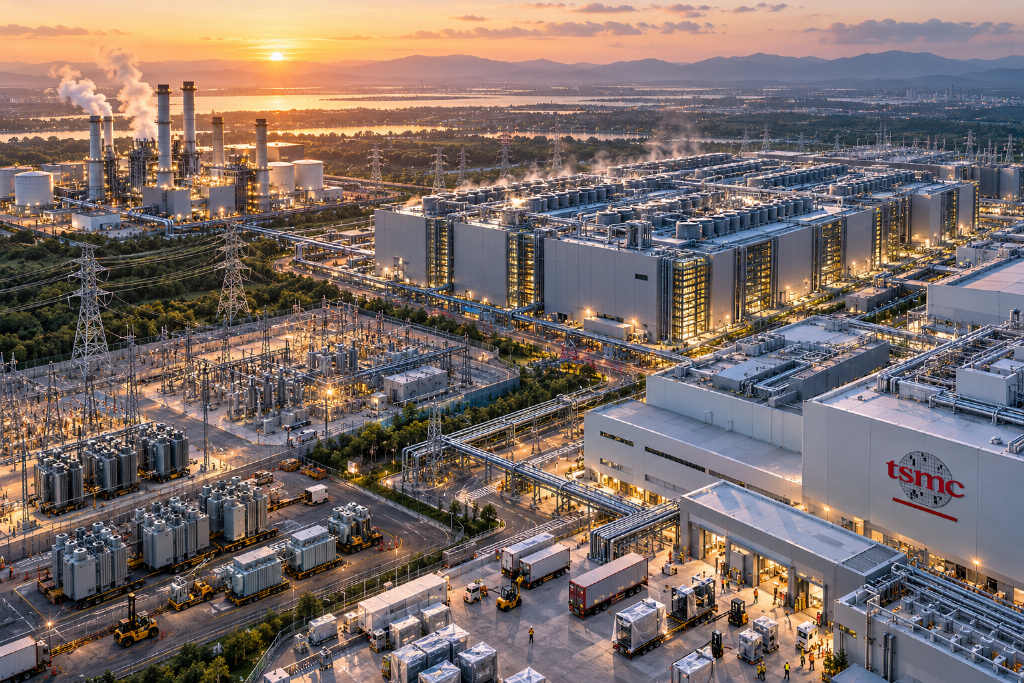
A MarsBit article, citing the International Energy Agency, Epoch AI, Bloomberg and other sources, argues that the real constraint on AI expansion is no longer simply access to GPUs or even electricity in the abstract. The bottleneck now sits across an entire chain: generation, grids, transformers, cooling, memory, advanced packaging, financing and local permitting.
The piece starts with the physical basics. AI turns electricity into transistor switching, matrix multiplication and, eventually, tokens. From that view, “effective intelligence” depends on available power, hardware efficiency, algorithmic efficiency and utilization. A failure in any one layer drags down the rest, which is why the bottleneck has shifted over time from GPUs to HBM memory and CoWoS packaging, and now to transformers, gas turbines and interconnection queues.
The article points to IEA estimates showing data-center electricity use rising from 485 TWh in 2025 to 950 TWh in 2030, even as per-task efficiency improves sharply. It also highlights rising rack power density, growing reliance on liquid cooling and high-voltage DC distribution, and the mounting role of capital markets as hyperscaler spending approaches $700 billion in 2026. Local opposition in the U.S. has also become a material constraint, with dozens of projects delayed or blocked. The conclusion is straightforward: AI infrastructure is now a system-level race across energy, manufacturing, finance and governance, and the slowest link sets the pace.