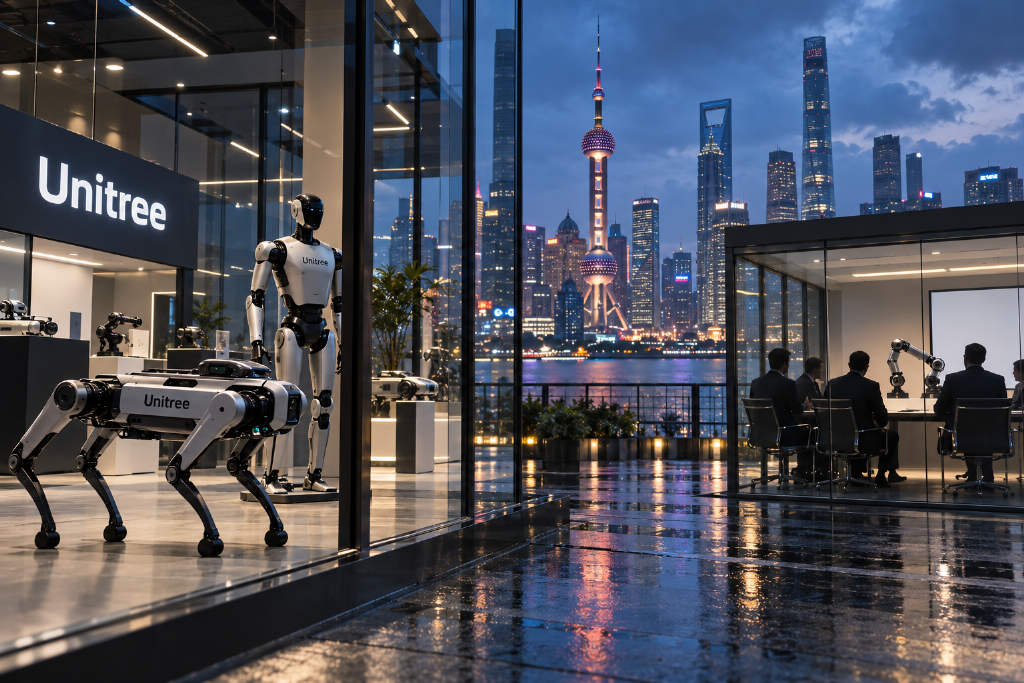
Robot valuations face a reality check as Unitree and Physical Intelligence test investor assumptions
Two high-profile robot companies are drawing attention for the same reason: the gap between current business results and the valuations investors are willing to assign. In China, Unitree Technology reported strong revenue growth in its third-quarter results, but profit trends were weaker beneath the headline numbers. The company posted revenue of RMB 1.817 billion in the first three quarters, up 55.71% year over year, while third-quarter net profit fell 17.37%. Even after shipping thousands of humanoid robots and turning profitable, Unitree’s market capitalization stood at about RMB 267.9 billion on Oct. 29, leaving its valuation multiples elevated by conventional measures. In the U.S., Bloomberg reported on Oct. 27 that Physical Intelligence is in talks to raise at least $1 billion at a valuation of roughly $20 billion. The company, founded in 2024 and still without revenue, is building general AI models for robots and has attracted backing on the promise that a shared model layer could work across different hardware systems. Its valuation has climbed rapidly from about $2 billion in late 2024 to a proposed $20 billion in the latest round. The contrast between the two companies highlights a broader shift in embodied AI. Capital is still flowing into robotics, but regulators, public markets and private investors are asking harder questions about revenue quality, deployment scale, pricing power and whether today’s valuations can be supported by future commercial demand.