BIPs

Bitcoin
2026-08-12 09:18:31

Bitcoin’s BIP-110 fork stalls with 2.6% miner support, and Luke Dashjr loses BIP editor role

Bitcoin developer Luke Dashjr’s BIP-110 soft fork effort collapsed after drawing only about 2.6% miner support, far short of the 55% threshold set for activation. The forked chain produced just two blocks before stalling, while Bitcoin’s main chain continued operating normally. The proposal had aimed to curb the use of Bitcoin block space for images, text and other non-financial data, taking aim at inscription activity that expanded after the rise of the Ordinals protocol. After the failed push, Dashjr was removed from his editor role for Bitcoin Improvement Proposals, or BIPs. Critics accused him of misusing editorial authority by assigning a BIP number before enough discussion had taken place and merging updates into the repository outside normal procedure. Bitcoin developer Mark Erhardt, in backing the removal motion, said Dashjr had contributed almost none of the routine editorial maintenance since joining the team in April 2024. Dashjr rejected the accusations on X, calling the move an abuse of power and saying the claims were false. He also said he would temporarily step down as chairman and CTO of Bitcoin mining pool Ocean to focus on Bitcoin and open-source projects. The dispute now spans both inscription policy and governance procedure.


170
Bitcoin’s BIP-110 fork stalls with 2.6% miner support, and Luke Dashjr loses BIP editor role
Bitcoin
2026-08-11 16:14:02

Luke Dashjr removed as BIP editor after stalled BIP-110 fork fight

Bitcoin’s core development circle is facing a governance dispute after veteran developer Luke Dashjr was removed as an editor of the Bitcoin Improvement Proposals, or BIPs, according to Decrypt as cited by ABMedia. The move followed controversy around BIP-110, a soft fork Dashjr pushed that later stalled. The removal motion was initiated on Aug. 9 by fellow BIP editor Mark Erhardt, known in the community as Murch, through a pull request deleting Dashjr’s name from the editor list in BIP 3. Erhardt cited four reasons: an alleged conflict of interest in how Dashjr handled BIP-110, minimal editorial contributions since April 2024, concern that the proposed soft fork was turning into a hard fork, and a breakdown of trust among editors. BIP-110 aimed to temporarily block non-financial data such as Ordinals inscriptions from entering Bitcoin transactions. Miner signaling peaked at 51 out of 2,016 blocks, or about 2.53%, well below the 55% activation threshold. A minority chain produced only two blocks in eight hours before stalling. Michael Saylor said 99.85% of hash rate remained on Bitcoin’s main chain. Dashjr has disputed the removal on X and said on Aug. 10 that he would take an extended leave from Ocean pool to focus on Bitcoin and open-source projects.

480
Luke Dashjr removed as BIP editor after stalled BIP-110 fork fight
Bitcoin
2026-08-11 02:53:03

BIP submissions are open to anyone, but BIP-110 shows how hard approval really is

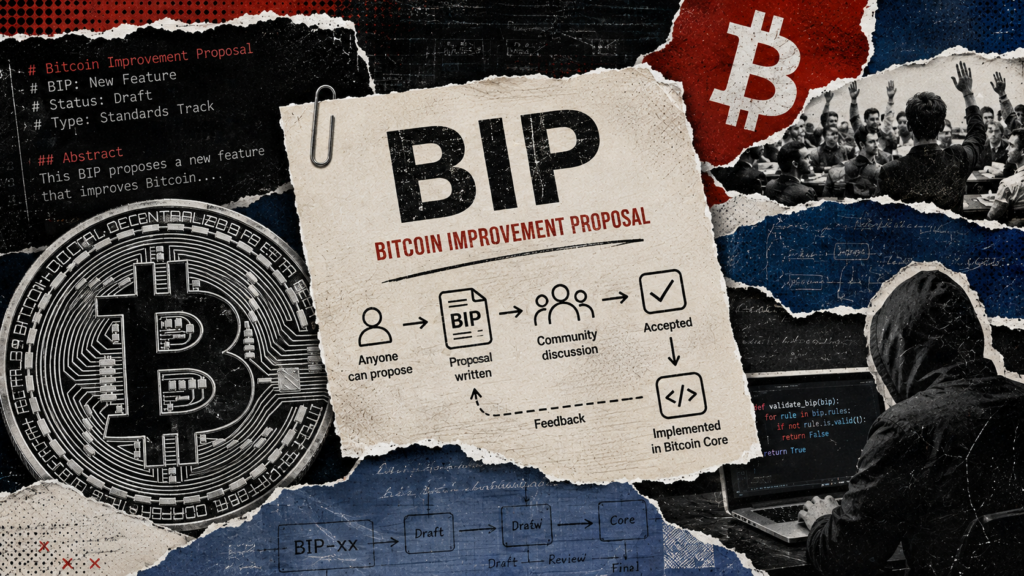
Bitcoin’s BIP-110 soft fork stalled within hours after launch last weekend, with the minority chain producing just one more block before freezing and drifting farther behind the main chain. Roughnecks, which had rallied support for the proposal, later said it would stop mining and asked other miners to step back for now. Ocean, the pool that served as the main signaling base, saw its hash rate fall from about 36 EH/s to 1.25 EH/s over the weekend, leaving it far below the proposal’s 55% lock-in threshold. The episode has also drawn attention to a basic point about Bitcoin Improvement Proposals, or BIPs: almost anyone can submit one. Under BIP 3, which took effect in 2025 and replaced BIP 2 after nine years, a proposal starts with discussion on the bitcoindev mailing list, moves into a formal draft, and then goes to the bitcoin/bips repository as a pull request. Editors check scope and formatting, assign numbers, and merge qualifying drafts, but they do not judge whether an idea is good policy. What decides whether a BIP advances comes later. The article breaks that process into three hurdles: editorial acceptance, rough consensus across developers and users, and then actual network activation. BIP-110, while formally registered and technically implementable, ran into the harder part — winning broad support and economic adoption.

550
BIP submissions are open to anyone, but BIP-110 shows how hard approval really is
Bitcoin
2026-08-10 23:42:12

BIP-110 fork stalls after two blocks, reviving the question of who can change Bitcoin

Bitcoin reached block height 961,632 in the early hours of Aug. 9 Beijing time, triggering BIP-110’s mandatory signaling phase and a split between nodes enforcing the proposal and the main chain. The result was brief. The BIP-110 branch produced only two blocks before stalling, while Bitcoin’s main network continued operating normally. In the previous difficulty period, the proposal had received support signals from just 51 blocks, or 2.53%, far below its self-defined 55% threshold for voluntary early lock-in. BIP-110, submitted by pseudonymous developer Dathon Ohm with early draft input from Luke Dashjr, aimed to impose temporary consensus-level limits that would raise the cost of writing large amounts of continuous data to Bitcoin, including Ordinals-style inscriptions. Supporters argued that full nodes bear the burden of downloading, validating, and in some cases storing this data, while critics said changing consensus rules to target an unpopular but fee-paying use of Bitcoin would create a dangerous precedent. The fork’s failure has not ended the dispute. Debate continues over on-chain data, protocol neutrality, user-activated soft forks, miner support, and Bitcoin’s development process. For ordinary holders, the short-term concern is replay risk: because the minority chain lacks built-in replay protection, developers and Ledger have warned that moving or selling forked coins could also move corresponding BTC on the main chain if users are not careful.

540
BIP-110 fork stalls after two blocks, reviving the question of who can change Bitcoin
Bitcoin
2026-08-10 22:40:11

Bitcoin BIP editors remove Luke Dashjr after BIP-110 fork stalls

Bitcoin’s BIP editors removed Luke Dashjr from the role on Monday, two days after the BIP-110 soft fork he backed split thousands of nodes onto a chain that has not produced a block since Aug. 8. The move was carried out by revoking his GitHub permissions and deleting his name and email from BIP 3, even though the BIPs repository has no written process for appointing or dismissing editors. Bryan Bishop confirmed the change on the Bitcoin Development Mailing List, while Jon Atack merged pull request #2248 to strike Dashjr from the list of editors. Erhardt, also known as Murch, had opened the motion a day earlier, citing four reasons: conflict of interest, minimal contribution, support for a contentious fork, and a collapse in coordination with the rest of the editors. Dashjr rejected the accusations, calling them false and saying he had followed the BIP process consistently for years. The discussion drew backing from BIP editor Olaoluwa Osuntokun, Bitcoin Core contributors Matt Corallo, Antoine Poinsot, and Anthony Towns, libsecp256k1 maintainer Jonas Nick, and Casa co-founder Jameson Lopp. Some participants supported the outcome while criticizing the speed and the lack of formal governance rules. Meanwhile, the BIP-110 enforcing chain remained stuck at height 961,633, signaling dropped to zero in the current difficulty period, and Bitcoin’s market price showed little reaction.

640
Bitcoin BIP editors remove Luke Dashjr after BIP-110 fork stalls