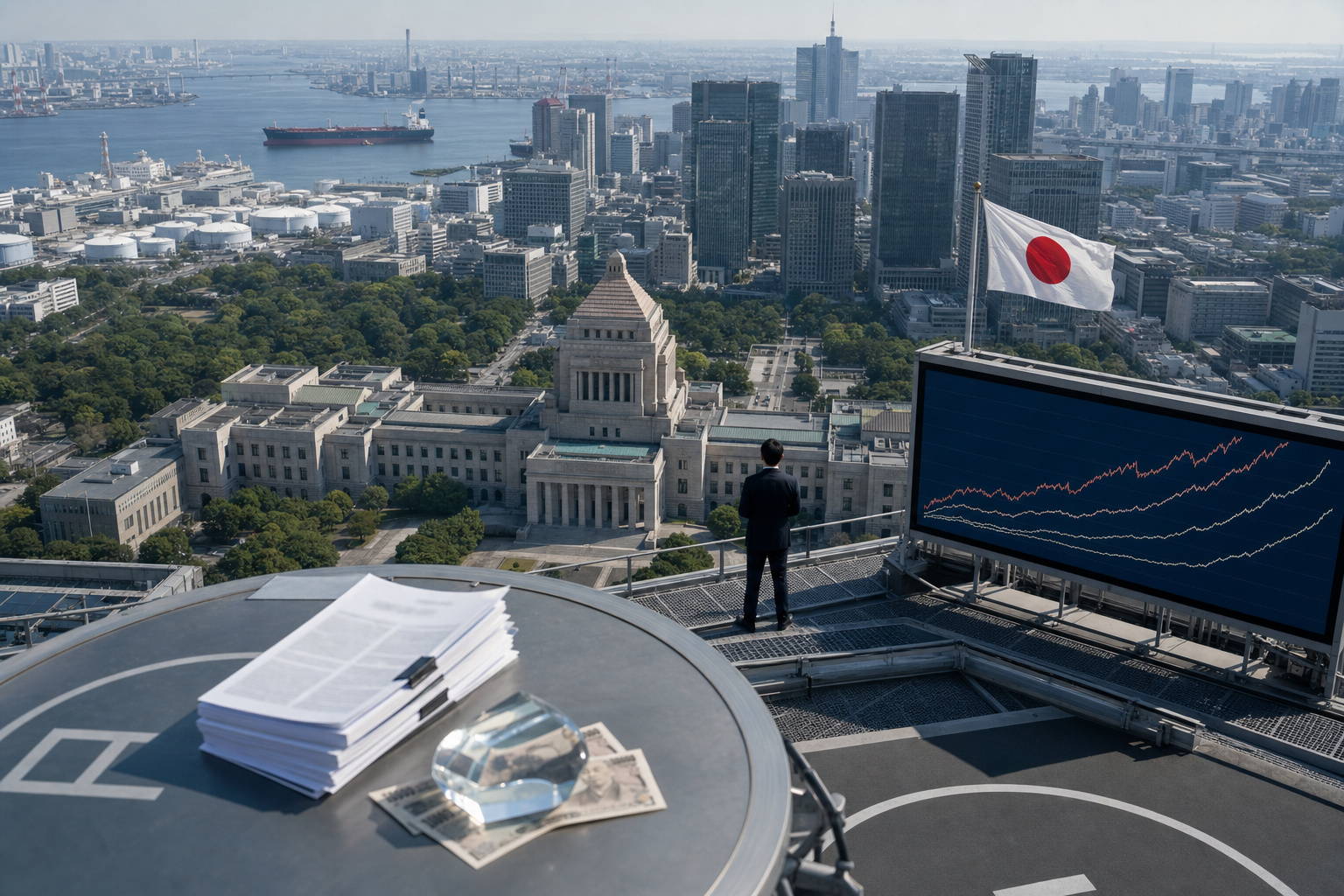
Japan bonds2026-08-12 00:48:46Japan 5-Year Bond Yield Hits Record High; 2-Year Reaches Highest Since 1995Japanese government bond yields extended their climb, with the 5-year yield setting an all-time high and the 2-year yield reaching its strongest level since 1995, according to ChainCatcher. Rising crude oil prices have stoked inflation concerns, prompting markets to price in roughly a two-thirds probability of a Bank of Japan rate hike in September. Even so, the higher yields have yet to provide clear support for the yen, as external factors — including elevated U.S. long-term Treasury yields and a firm dollar-yen exchange rate — continue to weigh on the currency.1860
Bank of Japan2026-08-11 06:03:44Bank of Japan May Revisit Rate Hike in September as Hawkish Views Build InternallyThe Bank of Japan may consider another rate hike at its Sept. 17-18 monetary policy meeting after raising rates in June, according to Jiji Press, which cited people familiar with the matter. The report said inflation risks in Japan are rising, with prices facing pressure from three factors: growing AI-related demand, a sharp decline in the yen, and higher crude oil prices. The outlook for policy timing is also shifting. While many market participants had expected the BOJ to move roughly once every six months, a summary of opinions from the bank’s July 30-31 policy meeting, released on Monday, showed that some board members favor a faster pace. One member said policy rate increases could come faster than markets expect, while another argued that the BOJ needs to accelerate the adjustment of monetary easing. The report also pointed to potential spillover into crypto markets. Japan has long been a major source of yen carry trades, with low borrowing costs helping channel money into higher-yielding assets including U.S. stocks and cryptocurrencies. If the BOJ tightens more quickly, carry trade costs could rise and some capital could return to Japan, with the effect on crypto depending on both the scale and pace of any increase.1780
BOJ2026-08-11 02:59:41Bank of Japan May Weigh Another Rate Hike at September Policy MeetingPeople familiar with the matter told Jiji Press that the Bank of Japan could weigh another rate increase at its next policy meeting on Sept. 17-18. The possible move is aimed at containing accelerating inflation, according to the report.1690
Japan bonds2026-07-24 07:55:16Iran's Hormuz Blockade Sends Japan's 10-Year Bond Yield to 25-Year HighIran's blockade of the Strait of Hormuz drove Japan's 10-year bond yield to 2.39%, highest since 1999. Japan releases record 80 million barrels of strategic reserves as BOJ faces rate hike dilemma; yen carry trade unwind risks $500 billion in positions.200
yen2026-07-24 02:45:15Japan Yen Weakness Triggers Inflation Red Line, BOJ May Be Forced to Hike EarlierBOJ officials are increasingly concerned about the impact of yen weakness on inflation, potentially forcing an earlier rate hike. Sources say January meeting likely holds rates steady, but currency factors could change timing.160
JPY2026-07-23 14:50:16Japanese Yen Hits 2-Month High as Intervention Talk Rattles Currency MarketsThe yen surged to a two-month high against the U.S. dollar amid rising expectations of coordinated FX intervention by U.S. and Japanese authorities. The New York Fed conducted a yen rate check, widely seen as a precursor to action, while the BOJ held rates at 0.75% with dovish guidance.630
Bitcoin2026-07-22 17:55:14Bitcoin Traders Eye BOJ Rate Decision as Yen Shorts Hit Nine-Year HighBank of Japan expected to raise rates to 1% on Tuesday. Yen speculative shorts exceed 115,000 contracts, raising risks of unwind that could roil crypto markets.470
Bank of Ameri2026-07-13 15:21:32BofA survey shows fund managers are most bearish on yen since 2022A Bank of America survey found that global portfolio managers have turned the most bearish on the Japanese yen since 2022, as concerns over Japan’s fiscal and monetary policy outlook outweighed the chance of official currency intervention. In a July 10 report, BofA strategists Ralf Preusser, Adarsh Sinha and others said bearishness on the yen had reached its highest level since 2022, driven mainly by policy-related risks. The survey showed that 40% of respondents were bearish on the yen because of risks tied to Japan’s fiscal stance and central bank policy, up from 35% in June. At the same time, only 10% were bullish on the currency due to a narrowing U.S.-Japan rate gap, down from 12% a month earlier. Separate data from the U.S. Commodity Futures Trading Commission showed that, by the end of June, speculative leveraged funds were holding their largest net short yen position since 2007.1800