Box

Stablecoins
2026-08-26 12:08:44

Crypto card spending nears $759 million in July as stablecoins move into daily payments and AI agent commerce

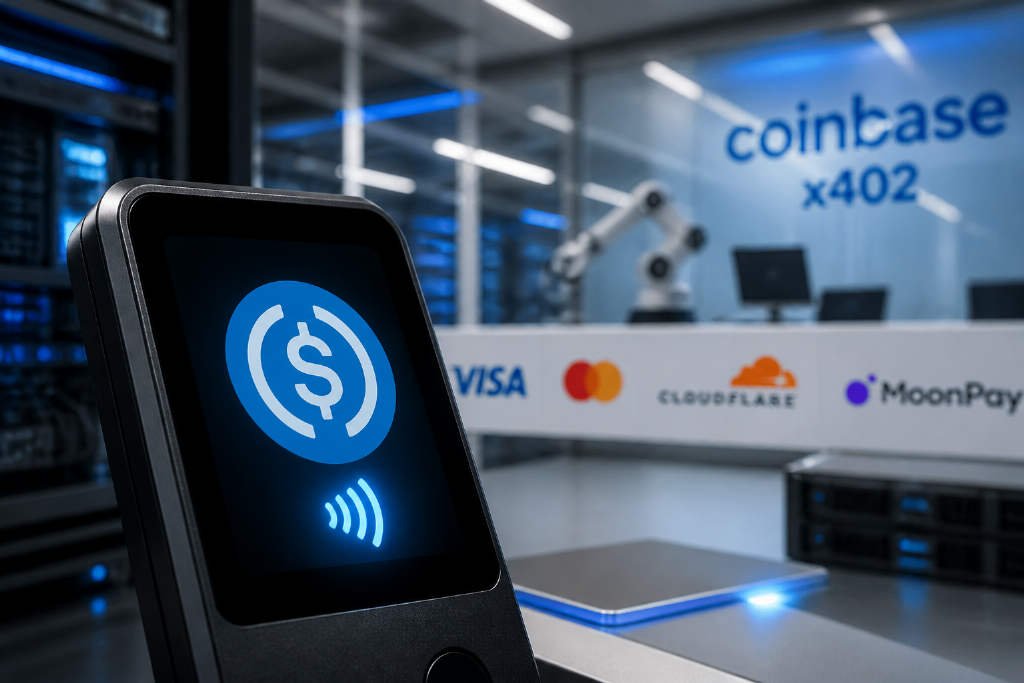
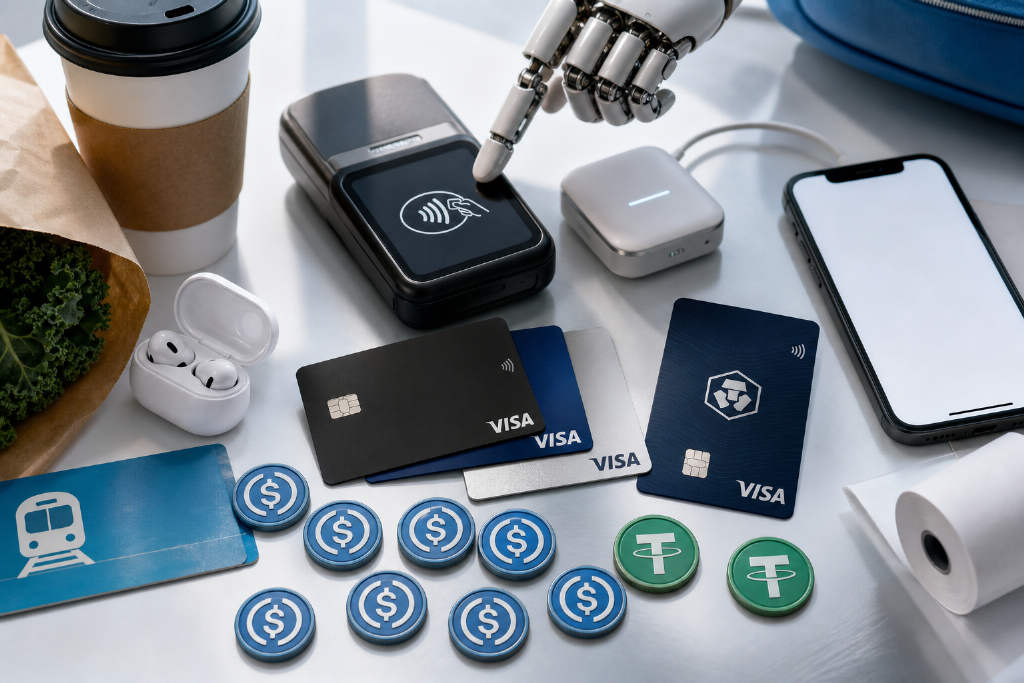
Stablecoins are gaining ground in both consumer payments and machine-to-machine commerce, according to data cited by Blockcast. Paymentscan said crypto card spending within its tracked universe reached about $759 million in July, up more than threefold from a year earlier, with monthly transaction count topping 10 million. USDC accounted for about 50.8% of July volume and USDT for 20.3%, putting the two dollar-backed tokens above 70% combined. The spending mix is also shifting toward everyday use. Data cited for Brazil and Argentina showed activity in groceries, food purchases, ride-hailing, delivery, restaurants and online subscriptions. Visa said in June that more than 160 stablecoin-linked card programs are already live or in development globally, while StraitsX reported sharp growth in infrastructure volume and faster expansion in lower-GDP markets. A second payments market is also taking shape around AI agents. Coinbase said its x402 protocol has processed more than 165 million payments worth about $50 million in total, and Coinbase AI product lead Lincoln Murr estimated roughly 99% of those payments used USDC. The report said stablecoins are finding a niche in high-frequency, low-value transactions such as API access, data, AI inference and compute, while card networks remain more suited to larger purchases, refunds, disputes and credit-based spending.
1000
Crypto card spending nears $759 million in July as stablecoins move into daily payments and AI agent commerce
DGAI
2026-08-25 16:02:40

DGAI Jumps Nearly 93% on First Day, Giving It a $110 Million Market Cap

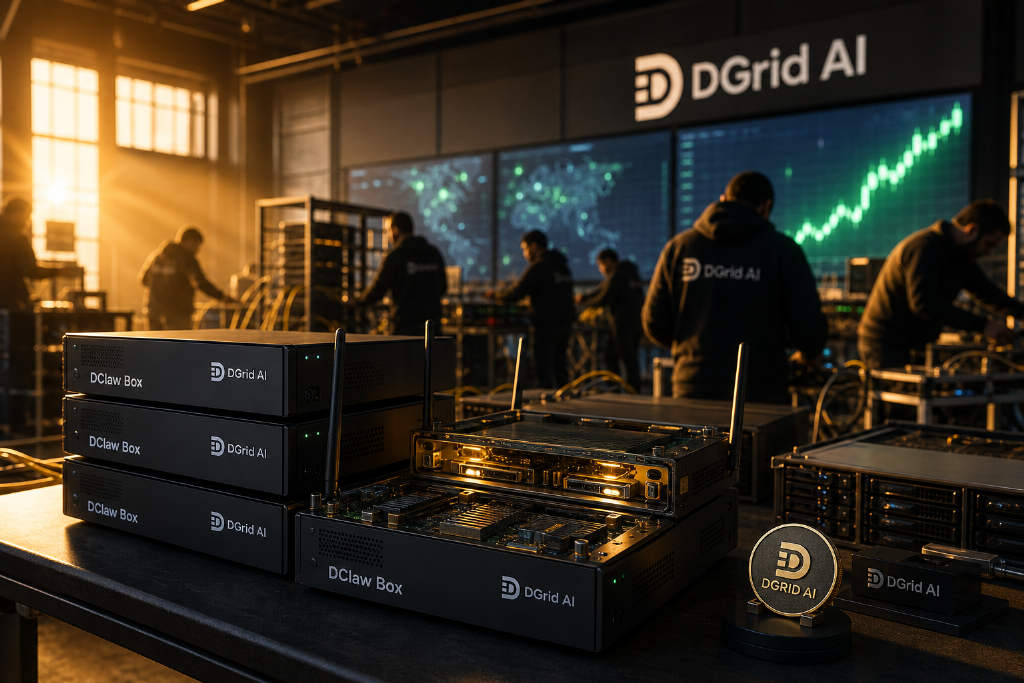
DGrid AI’s native token DGAI nearly doubled on its first day of trading. The token changed hands at about $0.73 on Tuesday, up nearly 93% over the past 24 hours, with a market cap of about $110 million and more than $165 million in trading volume. DGrid AI is expanding a decentralized AI network, and it also sold more than 140 DClaw Boxes in a matter of hours. Each unit was priced at 1,580 USDT, bringing in more than 221,000 USDT. The network uses a “Proof of Quality” mechanism, and node operators must stake DGAI to participate.

870
DGAI Jumps Nearly 93% on First Day, Giving It a $110 Million Market Cap
DGrid AI
2026-08-25 15:53:05

DGrid AI token DGAI nearly doubles on debut as decentralized inference network expands

DGrid AI’s native token, DGAI, surged in its first day of trading as the project pushed ahead with its decentralized AI inference network and hardware rollout. CoinGecko data showed DGAI trading at about $0.73 on Tuesday, up nearly 93% over the past 24 hours, with a market capitalization of roughly $110 million and trading volume above $165 million. The token sits at the center of DGrid’s network design, where it is used for payments, staking and node rewards. According to the project’s litepaper, AI requests are routed across models hosted by distributed nodes, while a "Proof of Quality" mechanism is used to assess results. Node operators stake DGAI to provide computing resources and can earn token rewards, while poor performance or misconduct can trigger penalties. DGrid also told Cointelegraph that it sold more than 140 DClaw Boxes within a few hours at 1,580 USDT each, totaling more than 221,000 USDT in sales. The physical devices are built to run DGrid’s DClaw personal AI agent through a decentralized network of independently operated nodes instead of a single centralized provider.

860
DGrid AI token DGAI nearly doubles on debut as decentralized inference network expands
DGrid
2026-08-24 18:43:56

DGrid says DClaw Box sold more than 140 units within hours, lifting seven-month revenue above $20 million

DGrid said more than 140 units of its DClaw Box were sold within hours today, bringing the company’s reported revenue for the past seven months to more than $20 million. The company said each device supports local deployment of AI agents and can access more than 200 AI models. The update was carried by Techub News and attributed to Cointelegraph. No additional sales breakdown, regional details, or pricing information was disclosed in the brief. The statement focused on the speed of sales, the cumulative revenue figure over seven months, and the product’s AI deployment and model-access capabilities.

360
DGrid says DClaw Box sold more than 140 units within hours, lifting seven-month revenue above $20 million
Blockstream
2026-08-24 11:20:12

Blockstream says current hardware wallets can run hash-based post-quantum signatures

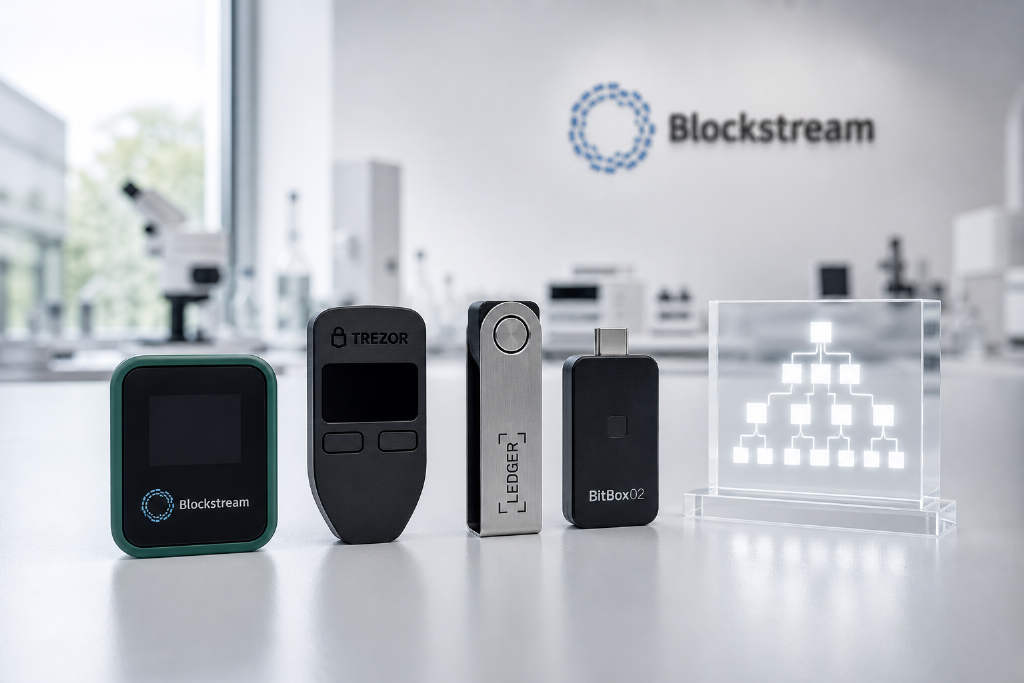
Blockstream said a widely cited concern in the crypto industry — that existing hardware wallets are too constrained to support post-quantum cryptography — does not hold up, at least for hash-based signature schemes. According to the company, its research team tested five hash-based schemes across four mainstream hardware wallets: Jade, Trezor, Ledger and BitBox02. All tested devices were able to generate signatures. The results varied by scheme. SLH-DSA took about 53 to 120 seconds per signature, while SPHINCS+ at the 2^40 setting was slightly faster. UXMSS using SHRINCS-B finished in 22 to 42 seconds. UXMSS with SHRINCS-L took much longer at 226 to 573 seconds because of the overgrinding technique, though that fell to just over 3 seconds with the feature disabled. XMSS needed 58 to 118 seconds in cold-start mode, but Blockstream said caching can significantly improve performance. The team added that the test only covered hash-based signature generation. It did not include firmware verification or other post-quantum approaches such as lattice-based or isogeny-based cryptography. Those engineering questions, including cache optimization, are set to be explored in later research.

1060
Blockstream says current hardware wallets can run hash-based post-quantum signatures
AI agents
2026-08-24 01:25:56

AI agents are emerging as a new payment user base, with USDC taking an early lead in machine-to-machine transactions

AI agents are starting to function as a new class of customers in digital payments, paying on their own for data, compute, APIs, and online tools. In this early machine-to-machine market, stablecoins, especially USDC, have gained a visible head start. Coinbase said its x402 payment protocol has processed more than 165 million payments worth a combined $50 million, with roughly 99% of those transactions settled in USDC and an average payment size of about $0.30. The company also said its ecosystem counted more than 480,000 agents in an April update. The broader market is still experimental. Coinbase’s Lincoln Murr compared the current phase to the Napster and LimeWire era, saying many participants are testing ideas while viable business models remain unsettled. He also said 25% to 30% of transaction volume comes from leaderboard-driven testing rather than genuine purchasing demand. Cloudflare, Circle, MoonPay, Visa, Mastercard, DBS, and Turnkey are all building or testing pieces of the stack, from micropayment gateways to agent spending controls and card-linked flows. At the center of the debate is whether stablecoins or traditional card networks are better suited to tiny, frequent payments. Stablecoin backers point to global availability, always-on settlement, and lower friction for sub-$1 purchases. Card networks are not stepping aside: Mastercard is pushing a voucher-based model for agent payments, while banks and card providers continue testing higher-value use cases that need refunds and dispute handling. Wallet onboarding, spending controls, and responsibility for mistaken purchases remain unresolved.

1450
AI agents are emerging as a new payment user base, with USDC taking an early lead in machine-to-machine transactions
Robinhood
2026-08-22 02:53:39

Robinhood CEO explains how Trump Accounts use low-cost S&P 500 ETFs

Robinhood CEO Vlad Tenev used a CNBC appearance on Squawk Box to lay out how Trump Accounts are designed to work. He said the accounts use a low-cost S&P 500 ETF managed by State Street Investment Management as the default option, with the goal of lowering the barrier for everyday investors to enter the market. Tenev also framed tokenization as a major global trend, arguing that blockchain-based infrastructure can support instant clearing and settlement and make markets more accessible across borders. He said the structure could help broaden access to private-market assets that many retail investors cannot easily reach today. The article also notes that Trump has hinted BTC may be included in Trump Accounts, tied to a savings plan for 4 million children.

1110
Robinhood CEO explains how Trump Accounts use low-cost S&P 500 ETFs
Iranian hacke
2026-08-20 20:27:54

U.S. charges 17 Iranians in hacking campaign tied to $6 million bitcoin extortion attempt

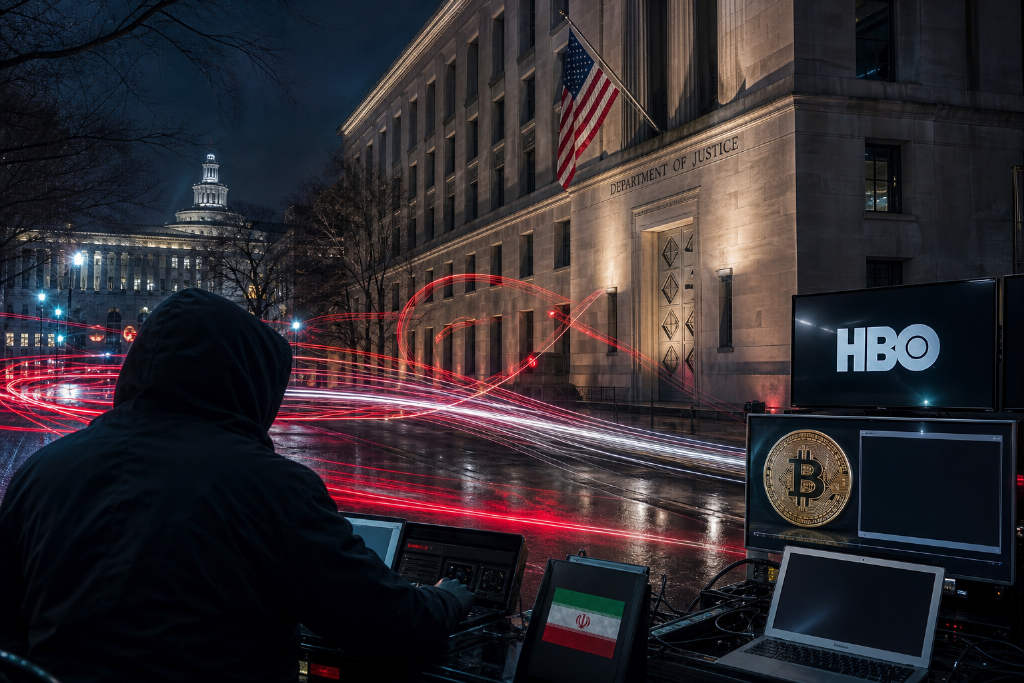
The U.S. Department of Justice said Tuesday that 17 Iranian nationals have been charged over an alleged long-running cyber campaign tied to the Mabna Institute, a group prosecutors say worked on behalf of Iran’s Islamic Revolutionary Guard Corps and other Iranian government and university clients. The case spans attacks on hundreds of U.S. and international universities, dozens of companies, and at least five state and federal agencies. Part of the indictment revisits the previously charged HBO hack involving Behzad Mesri, who prosecutors said stole proprietary data from the entertainment company and then tried to extort roughly $6 million in bitcoin. Five additional defendants — Saeid Houshyar, Manouchehr Hashemloo, Keyvan Fayaz, Saber Shahbazi Ballojeh, and Arman Kahzadian — were described as directly involved in that breach. The State Department’s Rewards for Justice program is offering up to $10 million for information on the defendants’ whereabouts. Prosecutors also said the stolen research was resold through Megapaper.ir and Gigapaper.ir, with the latter renting compromised professor credentials to Iranian users. U.S. institutions had spent about $3.4 billion to acquire the stolen material, while separate victims incurred more than $20 million in remediation costs.

1070
U.S. charges 17 Iranians in hacking campaign tied to $6 million bitcoin extortion attempt