DDR2

ESMT
2026-09-09 07:03:27

Serenity Says ESMT Could Mirror SanDisk as Niche Memory Prices Rise

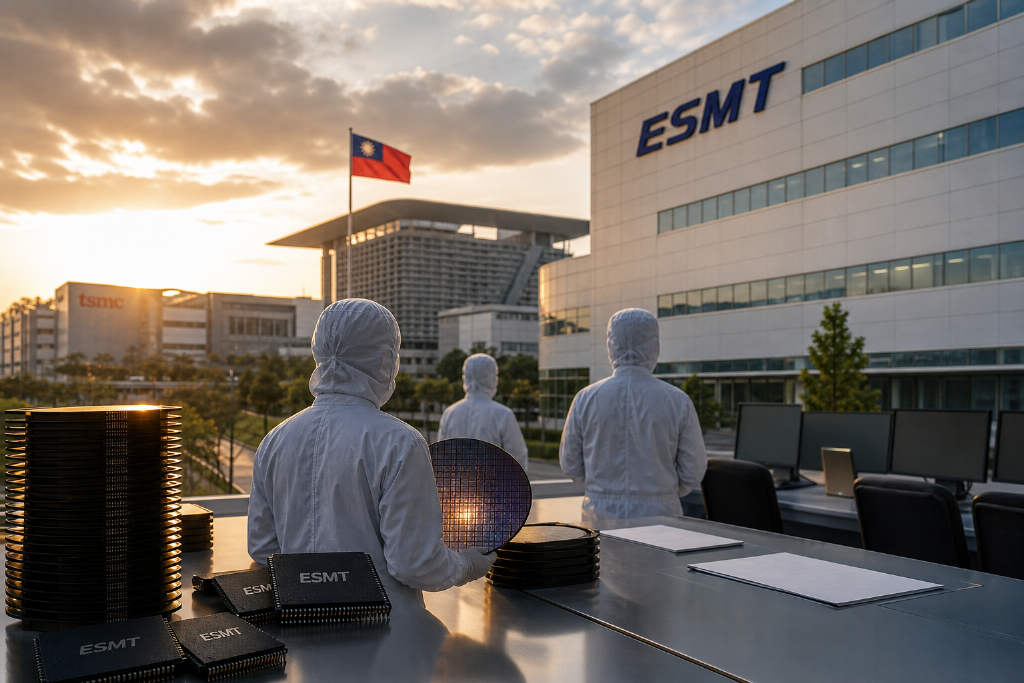
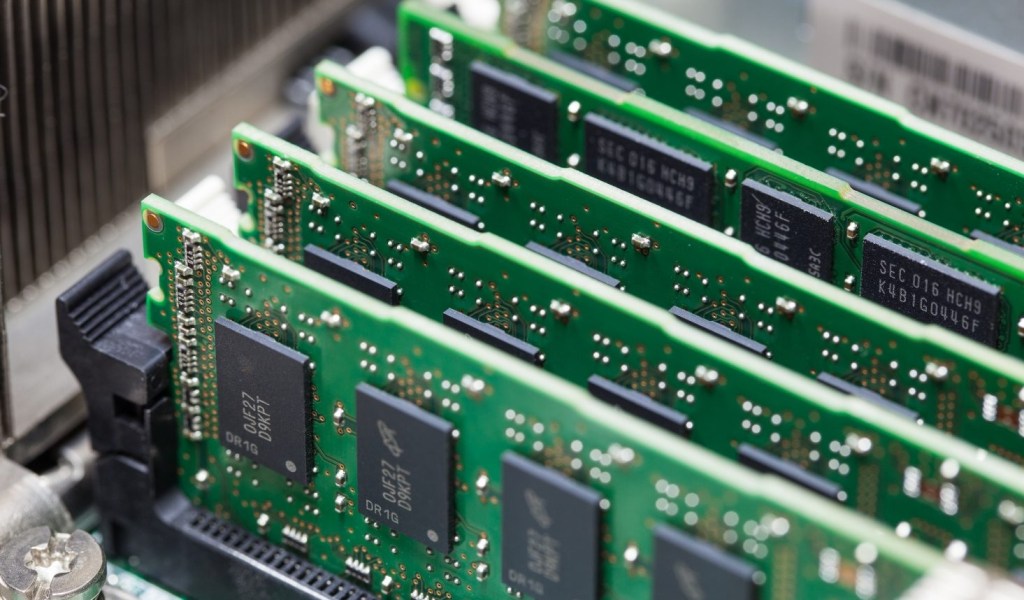
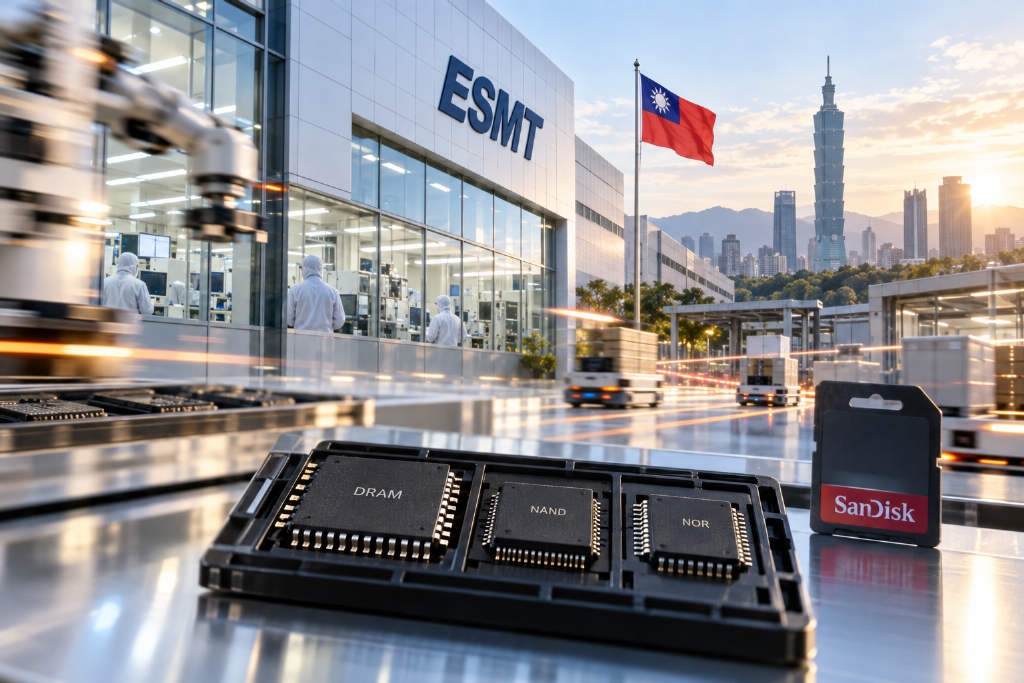
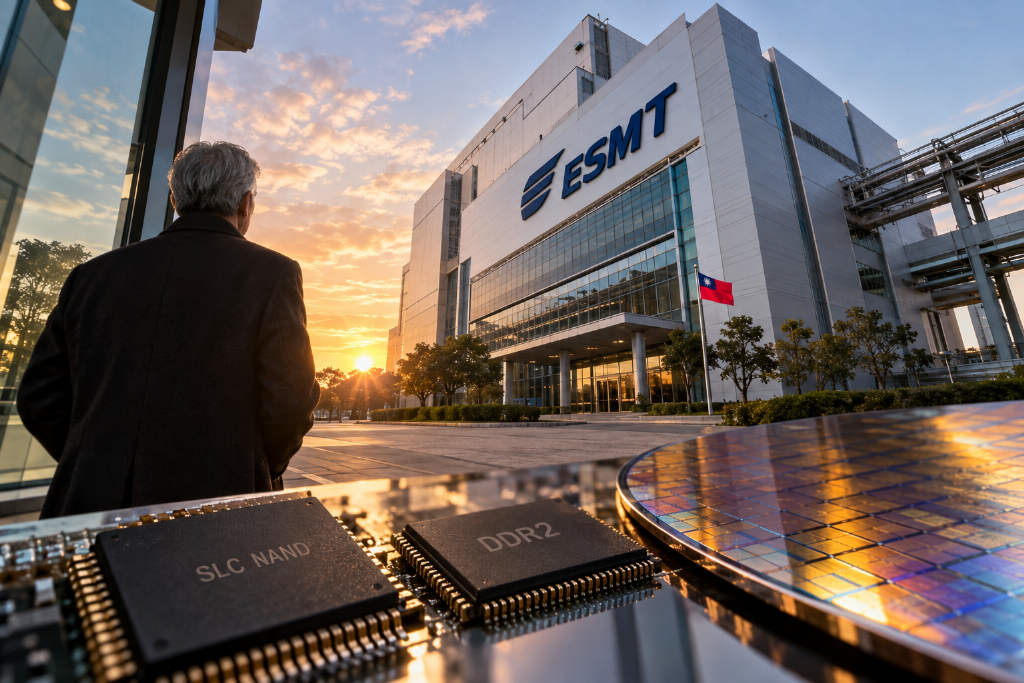
Serenity, known in online communities as the "white-haired stock guru," has singled out Taiwan-listed ESMT as a company that could follow the kind of share-price move SanDisk previously saw during a memory upcycle. The thesis centers on operating leverage in older, low-cost memory products: a price increase of a few dollars may have little effect on the end product, but can materially lift margins for the chip supplier. Serenity used DDR2 as an example, noting that legacy chips priced around $0.96, or roughly $2.5 depending on specifications, could still leave end-device costs manageable even if average selling prices were to triple. TrendForce data cited in the report points to tighter supply in mature-node DRAM after large manufacturers shifted capacity to HBM and server DRAM. It estimated DDR2 contract prices rose about 55% to 60% in the second quarter of 2026 and could climb another 35% to 40% in the third quarter. The report also highlighted sharp expected gains in SLC NAND and continued strength in NOR Flash, while MoneyDJ said ESMT has already started prioritizing higher-priced orders and can meet only about 60% to 70% of customer demand with its current wafer capacity.
40
Serenity Says ESMT Could Mirror SanDisk as Niche Memory Prices Rise
ESMT
2026-09-08 15:39:16

Serenity Sees ESMT Potentially Following SanDisk’s Strong Run as Memory Prices Rise

Serenity, known as the “white-haired stock guru,” said on X that Elite Semiconductor Memory Technology (ESMT, 3006) could perform strongly over the next few months and may follow the strong market performance of SanDisk (SNDK). Serenity cited continued room for memory-chip price increases, saying a DDR2 chip currently costs about $0.96 and that a threefold rise in average selling price would add roughly $2 to the cost of a single product. The increase would be relatively limited for end products, but sustained price increases in ESMT’s memory products could have a significant effect on the company’s profits. Serenity also said SLC NAND average selling prices are expected to rise 120% to 170% in the second half of the year, while products including NOR Flash also have price-increase expectations. Based on ESMT’s July performance, Serenity estimated its current monthly net profit at about $111 million and its market capitalization at roughly $2.8 billion, leaving substantial room for a valuation re-rating. Serenity compared ESMT’s situation with SanDisk in its early period, while saying the opportunity is concentrated in traditional and niche memory markets.

100
Serenity Sees ESMT Potentially Following SanDisk’s Strong Run as Memory Prices Rise
ESMT
2026-08-30 15:48:09

Serenity Turns More Bullish on ESMT as DDR3 Gains Beat Q2 Forecasts

Serenity published a fresh analysis of Taiwan memory chip firm ESMT (3006) on Aug. 30, highlighting a sharp upward revision in its Q2 pricing outlook. Hua Nan Securities, which in March had guided for Q2 DDR3 4Gb contract prices to rise roughly 50% quarter over quarter, now sees ESMT's blended Q2 ASP climbing 105% to 113% QoQ, with DDR3 gains clearly better than expected. Fubon Securities had earlier projected DRAM prices up 40% QoQ. Serenity argues the niche-memory price rally is no longer just a revenue story but a major profit amplifier, with operating leverage fully unlocked. Powerchip's wafer costs may double in the second half, and customers are accepting cost pass-throughs far more willingly than anticipated. ESMT posted about $109 million in July net profit, well above prior model estimates, putting its rough annualized valuation at as low as 1.9x PE. Demand remains sticky: DDR3 is widely used in IP cameras and hard drives, where memory chips account for a tiny share of the BOM, and paying a few dollars more per chip beats redesign or re-certification. With peers shifting capacity to HBM and DDR5, DDR3/DDR2 supply is structurally tightening.

220
Serenity Turns More Bullish on ESMT as DDR3 Gains Beat Q2 Forecasts
Serenity
2026-08-30 06:34:06

Serenity Slams Paid Walls in Research Circles, Keeps Subscription at $1

Serenity said on X that when he first joined the platform, finance content was dominated by luxury watches, private jets, options trades, "Wall Street secrets" paid groups, and technical analysis charts. That experience, he said, pushed him to share his research and investment logic openly so anyone can read it for free and decide for themselves. He said his subscription price has stayed at $1 for months and will remain at the minimum level. He also described a pattern he sees in the space: creators compete for the same audience, then quickly funnel traffic to paid groups or expensive services; after he refuses to join or promote those groups, they attack him personally and frame it as a disagreement over fundamentals. Serenity listed a long set of investment ideas he has previously shared, including AXTI, NBIS, AEHR, MU, INTC, EWY, MRVL, LITE, RPI, IQE, SOI, TSEM, ARM, and COHR. He said some have performed well, while others are still waiting on industry developments, such as LPKF’s glass substrates and Auros’ hybrid bonding. He also said some themes may not be tested until 2027-2028, including Sivers, Foci, Shunsin, CCXI, XFAB, CPO, humanoid systems, and his latest work on Etron/ESMT DDR2 and DDR3.

250
Serenity Slams Paid Walls in Research Circles, Keeps Subscription at $1
DRAM
2026-08-05 02:59:43

DRAM pricing surge lifts July revenue at Nanya and ESMT to record highs

Taiwan memory makers Nanya Technology and ESMT both posted record monthly revenue in July as the DRAM upcycle continued, with higher prices doing most of the work. Nanya reported consolidated revenue of NT$43.868 billion for the month, up 49.27% from June and 719.61% from a year earlier, marking its ninth straight monthly high. ESMT posted NT$6.785 billion, up 40.02% month over month and 491.06% year over year, also a record. The report said the latest rally is being driven by pricing rather than shipment growth. In Nanya’s case, second-quarter DRAM average selling prices rose more than 60% from the previous quarter while bit shipments were nearly flat, meaning the jump in revenue and profit came largely from stronger pricing. Supply remains tight as AI infrastructure demand keeps pulling wafer capacity and R&D resources toward HBM, LPDDR5 and DDR5 at Samsung, SK hynix and Micron, squeezing legacy DRAM lines such as DDR4, LPDDR4, DDR3 and DDR2. Spot prices have moved in the same direction. CFM Memory data showed DDR4 8Gb 3200 rose 12.82% in a single week, while DDR5 24Gb and DDR5 16Gb both climbed 14.29%.

1530
DRAM pricing surge lifts July revenue at Nanya and ESMT to record highs