GBP

Coinbase
2026-08-05 15:55:54

Coinbase to Delist Six Non-USD Trading Pairs Including MINA and MASK on Aug. 6

Coinbase has announced that it will delist six non-USD trading pairs on August 6, 2026, as part of a push to improve overall market health and consolidate trading liquidity. The affected pairs are LSETH-ETH, MINA-EUR, GRT-GBP, MASK-GBP, CHZ-USDT, and CRO-USDT. The exchange said the delisting only concerns these non-USD denominated pairs. In supported regions, Coinbase Advanced Trade users can still trade the underlying assets through USD order books. Coinbase emphasized that regularly reviewing market performance on its platform is part of its standard operating process. The move, it said, is designed to focus liquidity, improve the trading experience, and strengthen order book depth. Looking at the broader trend, mainstream crypto trading platforms have been cutting low-liquidity pairs and optimizing market structures for years. That industry-wide effort is aimed at improving trading efficiency and reducing the impact of dispersed liquidity. The change takes effect on August 6, 2026.

1170
Coinbase to Delist Six Non-USD Trading Pairs Including MINA and MASK on Aug. 6
U.S. Dollar I
2026-08-04 20:55:46

U.S. Dollar Index Slips 0.04% to 99.858 on Aug. 4

The U.S. Dollar Index, which tracks the dollar against six major currencies, fell 0.04% on Aug. 4 and finished late trading at 99.858, according to a report cited by ChainCatcher from Jin10. Currency moves against the dollar were mixed across the session. The euro rose to $1.1533 from $1.1514 in the previous trading day, while the British pound strengthened to $1.3452 from $1.3431. The dollar climbed against the Japanese yen, with $1 buying 157.66 yen versus 156.74 yen a day earlier. Elsewhere, the dollar slipped against the Swiss franc, falling to 0.8092 franc from 0.8101 franc. It gained against the Canadian dollar, moving to 1.4066 Canadian dollars from 1.4045 Canadian dollars. Against the Swedish krona, the dollar weakened to 9.5192 kronor from 9.5557 kronor in the prior session. The figures reflect late-session foreign exchange pricing for Aug. 4 as cited in the Jin10 report.

950
U.S. Dollar Index Slips 0.04% to 99.858 on Aug. 4
Wells Fargo
2026-08-04 12:33:32

Wells Fargo to Launch Tokenized Deposits This Fall for Corporate Cross-Border Settlements

Wells Fargo plans to roll out a tokenized deposit service for corporate and commercial clients this fall, according to a report by The Wall Street Journal. The bank, identified in the report as the fourth-largest in the United States, is the latest major traditional financial institution to adopt blockchain-based infrastructure for payments. In its initial phase, the service will focus on cross-border transactions in U.S. dollars and British pounds. Clients will be able to move traditional funds in the form of digital tokens on a blockchain, with support for around-the-clock transfers, programmability, and real-time settlement. The offering is designed to remove time constraints associated with conventional financial systems. The report indicates that Wells Fargo is positioning the product for business payment use cases rather than retail customers at launch, with the first deployment centered on corporate treasury and cross-border settlement needs.

1050
Wells Fargo to Launch Tokenized Deposits This Fall for Corporate Cross-Border Settlements
BIS
2026-07-31 09:46:30

BIS pilot settles about $1 million in tokenized cross-border payments with 28 banks

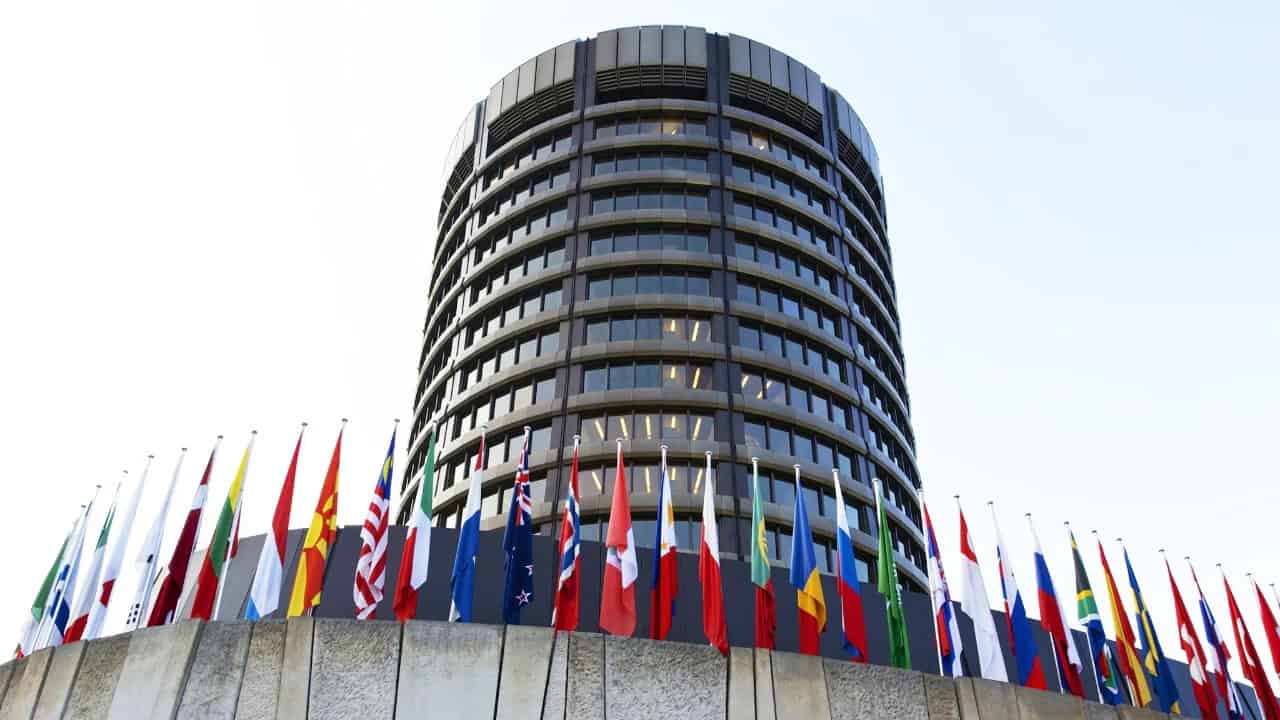
The Bank for International Settlements has completed a pilot under Project Agorá that used tokenized money to process about $1 million in real transactions, with settlement taking roughly 80 seconds on average. The test brought together five central banks and 28 major commercial banks, including JPMorgan Chase, Citi, UBS, Deutsche Bank and Standard Chartered. It covered six currencies — USD, EUR, GBP, JPY, CHF and KRW — and examined how tokenized central bank reserves and tokenized commercial bank deposits could be used in corporate payments, interbank transfers and foreign-exchange transactions. According to BIS, the prototype was not directly integrated with banks’ existing payment systems, yet the transactions still settled in around 80 seconds on average. The project used a shared ledger so participating banks could see ownership and payment status on the same distributed record, reducing the layers typically involved in correspondent banking. The pilot also tested near-simultaneous FX settlement to reduce settlement and counterparty risk. BIS said the project does not create a new form of payment money; instead, it places existing bank money on blockchain-based infrastructure to improve cross-border payment efficiency.

450
BIS pilot settles about $1 million in tokenized cross-border payments with 28 banks
U.S. Dollar I
2026-07-30 20:00:48

U.S. Dollar Index Falls 1.01% to 99.868 on July 31

The U.S. Dollar Index, which tracks the greenback against six major currencies, fell 1.01% on July 31 and closed at 99.868 in late foreign-exchange trading, according to a report cited by ChainCatcher from Jin10. In the same session, the euro rose to $1.1535 from $1.1452 in the previous trading day, while the British pound climbed to $1.3476 from $1.3364. Against other major currencies, the dollar weakened as well. It traded at 158.93 Japanese yen, down from 163.32 yen a day earlier. The U.S. currency also slipped to 0.804 Swiss francs from 0.8149, to 1.3996 Canadian dollars from 1.404, and to 9.5189 Swedish kronor from 9.6434. The figures reflect the late-session levels reported for the foreign-exchange market on July 31.

1050
U.S. Dollar Index Falls 1.01% to 99.868 on July 31
Hyperliquid
2026-07-24 14:28:10

ARK analyst says Hyperliquid’s HIP-3 RWA volume has overtaken crypto on a weekly basis

ARK Invest analyst Lorenzo said Hyperliquid has reached a new point in its market mix, with real-world asset trading on HIP-3 exceeding crypto-native volume for the first time in a single week. According to the figures cited in the post, RWA accounted for 54% of total platform volume, and 61% of that RWA activity came from single-stock products. The article argues this shift points to a broader change in Hyperliquid’s positioning, from a crypto perpetuals venue to a round-the-clock multi-asset derivatives platform spanning equities, indices, commodities and FX. The write-up also stresses that the RWA products in question are synthetic perpetual contracts rather than tokenized securities. Traders get price exposure, typically margined in USDC, but do not receive actual stock ownership, voting rights or legal claims on the underlying assets. It distinguishes that model from true securities tokenization and notes the two paths carry different infrastructure, legal and operational requirements. At the same time, the piece flags a math issue in the original comparison between Hyperliquid’s HIP-3 RWA volume and the rest of the DEX perpetuals market, and says the claim cannot be directly derived from the numbers presented. It further examines what the trend could mean for HYPE, USDC and Circle, while outlining the current HIP-3 market map, where activity is concentrated in stocks, commodities and indices, with much of the volume attributed to the trade[XYZ] deployment.

4600
ARK analyst says Hyperliquid’s HIP-3 RWA volume has overtaken crypto on a weekly basis
stablecoins
2026-07-24 01:20:16

What Stablecoins Are: Peg Mechanisms, Use Cases, and Key Risks

Stablecoins are designed to reduce crypto volatility by tracking fiat currencies, commodities, or other digital assets. They are widely used in trading, payments, and transfers, but depegging, limited transparency, and centralization remain major risks.

1080
What Stablecoins Are: Peg Mechanisms, Use Cases, and Key Risks