BackGUI-MCP

GUI-MCP

StepFun
2026-07-14 00:38:00

StepX Neo bets on protocol-based AI phone model to bridge app silos

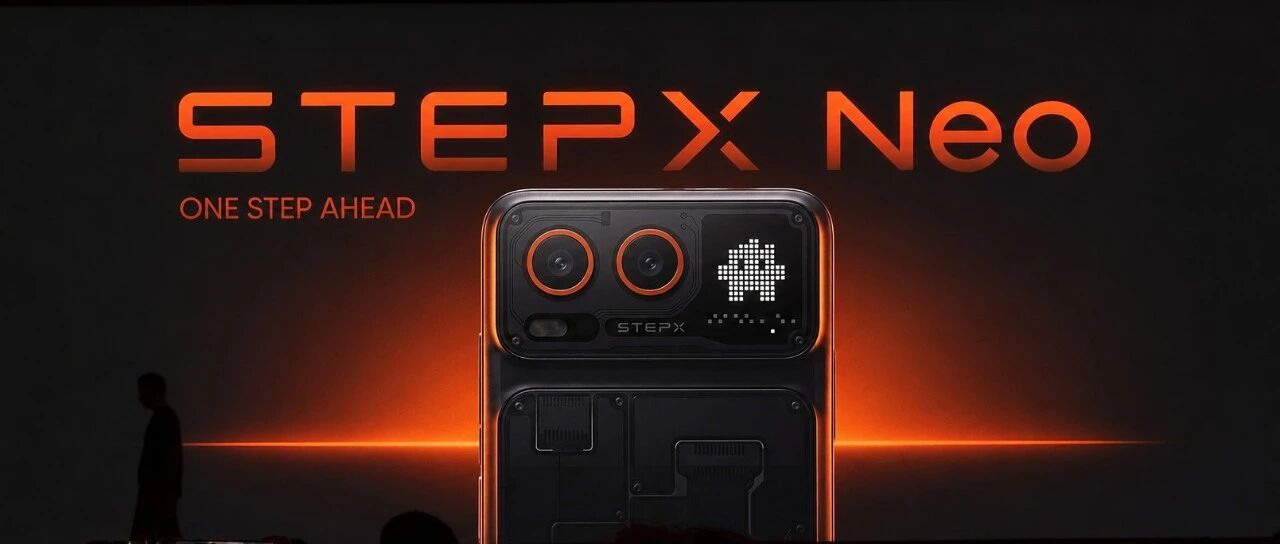
StepFun on July 13 unveiled STEPX Neo, which it described as the world’s first native large-model agent smartphone. The device runs Step AOS, includes the Amoo agent, and introduces the Step Edge on-device model alongside the GUI-MCP protocol. The company is taking a different path from ByteDance’s Doubao phone assistant, which previously ran into risk-control issues after using simulated clicks to operate across apps. According to the source article, StepFun’s argument is that large-model companies need system-level access rather than staying confined to standalone apps or mini programs. STEPX Neo, manufactured by Huaqin Technology, is set for its first public showing at the World Artificial Intelligence Conference on July 17. Pricing and hardware specifications have not been disclosed. The bigger question is not only technical execution but whether app operators will cooperate. StepFun has listed initial partners including Meituan, WPS, CapCut, Trip.com, Amap, Alipay, Baidu, Didi and JD.com. The article argues that protocol-based interoperability may be more stable than accessibility-driven simulated clicks, but the approach still depends on commercial incentives, data-sharing trust, and support from major closed ecosystems.
1110
StepX Neo bets on protocol-based AI phone model to bridge app silos
StepFun
2026-07-14 00:38:00

StepFun’s STEPX Neo bets on protocol-based app access instead of click simulation

StepFun on July 13 unveiled STEPX Neo, which it described as the world’s first smartphone built around a native large-model agent. The device runs Step AOS, includes the Amoo agent, and comes with Step Edge and the GUI-MCP protocol, a framework the company says is designed to let agents work across apps through standardized interfaces rather than simulated taps. That product direction stands in contrast to ByteDance’s Doubao phone assistant, which in December 2025 promoted cross-app automation through system-level click simulation but later ran into WeChat risk controls, with users reporting abnormal exits and login failures. The feature was subsequently removed. According to the source material, StepFun’s approach depends less on breaking through app boundaries by force and more on persuading app developers to connect to a common protocol. The company said its first batch of ecosystem partners includes Meituan, WPS, CapCut, Trip.com, Amap, Alipay, Baidu, Didi and JD.com. The larger question is whether broader adoption will follow, especially from large closed ecosystems that have not publicly committed to joining such a standard.

2000
StepFun’s STEPX Neo bets on protocol-based app access instead of click simulation
StepFun
2026-07-14 00:38:00

StepFun unveils STEPX Neo, betting protocol-based access can bridge app silos

StepFun released STEPX Neo on July 13, positioning it as the world’s first native large-model agent smartphone. The device runs Step AOS, includes the Amoo agent, and comes with the company’s Step Edge on-device model and GUI-MCP protocol. The product arrives after a very different experiment by ByteDance’s Doubao phone assistant ran into WeChat risk controls in late 2025, highlighting how hard cross-app automation remains inside closed mobile ecosystems. The key distinction is technical and commercial. Doubao relied on simulated taps through system-level permissions, a method that could bypass splash screens and jump across apps but also triggered platform defenses and, according to the article, raised sustainability and compliance questions. StepFun is trying another route: a standardized interface model that asks apps to expose capabilities instead of having an agent imitate user actions from the outside. StepFun says GUI-MCP uses a layered dual-stack architecture, keeps raw screenshots on the device, uploads only semantic summaries, and works with a 4B GUI-specific model that supports recognition and operation across more than 200 apps locally. The broader question is whether major apps will join. StepFun has named partners including Meituan, WPS, CapCut, Ctrip, Amap, Alipay, Baidu, Didi, and JD.com, but the article argues that technical design alone will not break app walls unless revenue sharing and authorization models also change.

1090
StepFun unveils STEPX Neo, betting protocol-based access can bridge app silos