P2P

ChainFeeds
2026-07-27 12:47:12

ChainFeeds PRO reviews PropAMM, Lightning node trade-offs and the adoption hurdle for positive-sum market design

ChainFeeds Research’s latest PRO issue pulls together several threads across crypto market structure and protocol research. The report argues that proprietary AMMs, or PropAMMs, could become a meaningful path for bringing more trading back on-chain for Ethereum by combining DEX-style execution with actively managed pricing from professional market makers. At the same time, it notes that Ethereum’s 12-second slots and PBS incentives create a harder operating environment than Solana, where shorter block times and cheaper updates have helped PropAMMs gain sizable volume. The issue also revisits Bitcoin and Lightning. It says running a Lightning node does not require users to stay online at all times for safety, because channel security depends on reacting within the timelock window rather than permanent connectivity. A new BIP draft from Fabian Jahr is also covered, proposing DahLIAS full aggregation for BIP340 Schnorr signatures. Beyond that, the report surveys an Ethereum research proposal on mechanically proving cross-domain state preservation, and a separate argument from developer William Glynn that crypto’s remaining bottleneck is no longer throughput or proving costs, but whether positive-sum market microstructures can actually become the default path for liquidity and attention.


1320
ChainFeeds PRO reviews PropAMM, Lightning node trade-offs and the adoption hurdle for positive-sum market design
Bitcoin
2026-07-27 01:59:58

CZ warns small exchange deals carry high security risks as MiCA and U.S. crypto bills reshape the market

A packed 24-hour news cycle brought fresh signals from crypto markets, policymakers, security researchers and public companies. CryptoQuant analyst Axel Adler said Bitcoin’s rebound is still facing four pressures: compressed volatility, weak U.S. spot demand, thin buy-side liquidity and continued loss realization by investors. In Washington, Aave founder Stani said the CLARITY Act has entered the "last mile," arguing that even in imperfect form it could become the first U.S. law to directly address DeFi and give institutions, fintechs and banks a clearer legal path into on-chain finance. In Europe, attention is shifting from winning a MiCA license to paying the ongoing cost of compliance. Market participants cited in the report said that dynamic could push the sector toward consolidation, including mergers, joint ventures and bank partnerships, with the U.K. likely to follow a similarly strict path through its own framework. Binance founder Changpeng Zhao, meanwhile, said acquisitions of smaller centralized exchanges remain possible, but post-deal security incidents are hard to attribute, making due diligence and risk controls much harder. Other major developments included updated figures on public-company Bitcoin holdings, Lido’s response to a stETH reward calculation issue, Cascade’s statement that funds tied to the CLS incident had been recovered, and new reports on wallet-targeting malware campaigns and U.S. crypto seizure actions.

460
CZ warns small exchange deals carry high security risks as MiCA and U.S. crypto bills reshape the market
BitMart
2026-07-26 07:47:51

WOO X ambassador details BitMart withdrawal review requirements

ChainCatcher reported that WOO X ambassador Baki commented on details tied to BitMart’s official withdrawal notice, saying on X that the exchange had restricted user withdrawals on security grounds and that shutting down automatic withdrawals could leave a large number of users unable to complete fund transfers. He said the platform had shifted withdrawals to a manual review process covering identity and KYC checks, login device and IP address verification, account security review, withdrawal address and blockchain transaction risk screening, source-of-funds and trading-history checks, plus Travel Rule compliance and sanctions screening. Baki added that users may also be asked to provide extra documents, including proof of identity, proof of address, proof of source of funds, or proof of ownership of the withdrawal address. He also suggested that users with a P2P option could withdraw through that route to a bank account, while arguing that the crypto market is not decentralized and is instead controlled by a small number of large groups, exchanges, and capital providers.

1130
WOO X ambassador details BitMart withdrawal review requirements
Bank of Korea
2026-07-24 10:40:57

Bank of Korea to expand CBDC pilot in September with nine banks and deposit tokens for up to 500,000 users

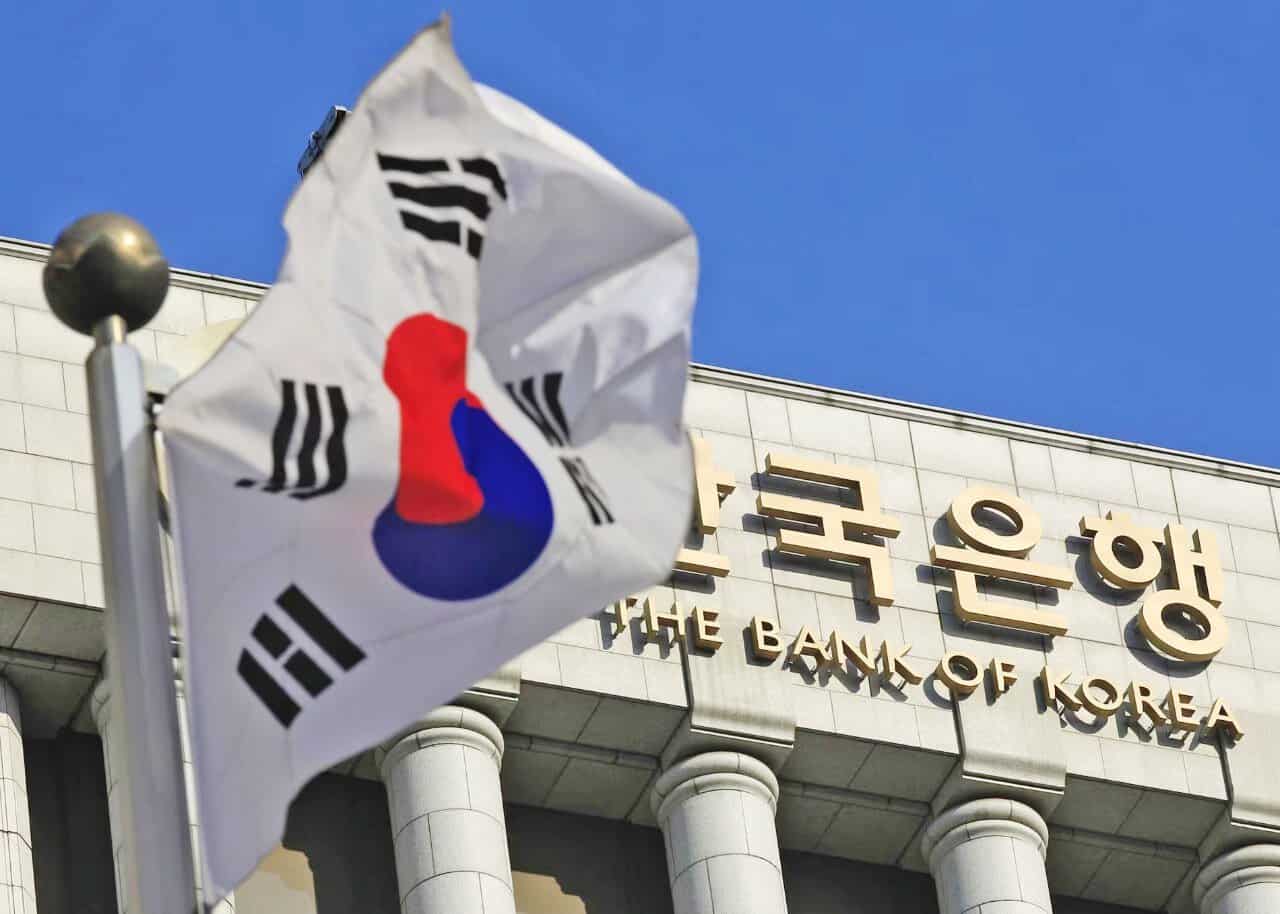
The Bank of Korea is preparing to widen its central bank digital currency pilot as early as September, moving Project Hangang into a second phase that adds two more banks and shifts the focus toward live transaction testing. According to ETNews Korea, the new stage will raise participating banks from seven to nine and allow as many as 500,000 users to access bank-issued deposit tokens built on central bank infrastructure. The structure uses a wholesale CBDC for interbank settlement, while commercial banks issue deposit tokens for everyday consumer and merchant payments. The second phase also introduces more banking-style functions, including peer-to-peer transfers, biometric payments, automatic top-ups, recurring payments, cash receipt generation, and interest payments. The Bank of Korea is also set to test programmable deposit tokens for government subsidy distribution for the first time. In parallel with the CBDC effort, local banks are also building infrastructure for a won-denominated stablecoin, highlighting South Korea’s broader push to modernize its financial rails through multiple forms of digital money.

1080
Bank of Korea to expand CBDC pilot in September with nine banks and deposit tokens for up to 500,000 users
stablecoins
2026-07-24 01:20:16

What Stablecoins Are: Peg Mechanisms, Use Cases, and Key Risks

Stablecoins are designed to reduce crypto volatility by tracking fiat currencies, commodities, or other digital assets. They are widely used in trading, payments, and transfers, but depegging, limited transparency, and centralization remain major risks.

970
What Stablecoins Are: Peg Mechanisms, Use Cases, and Key Risks