SUV

NIO
2026-09-04 07:15:10

NIO posts third straight profitable quarter, sticks to EV focus instead of building humanoid robots

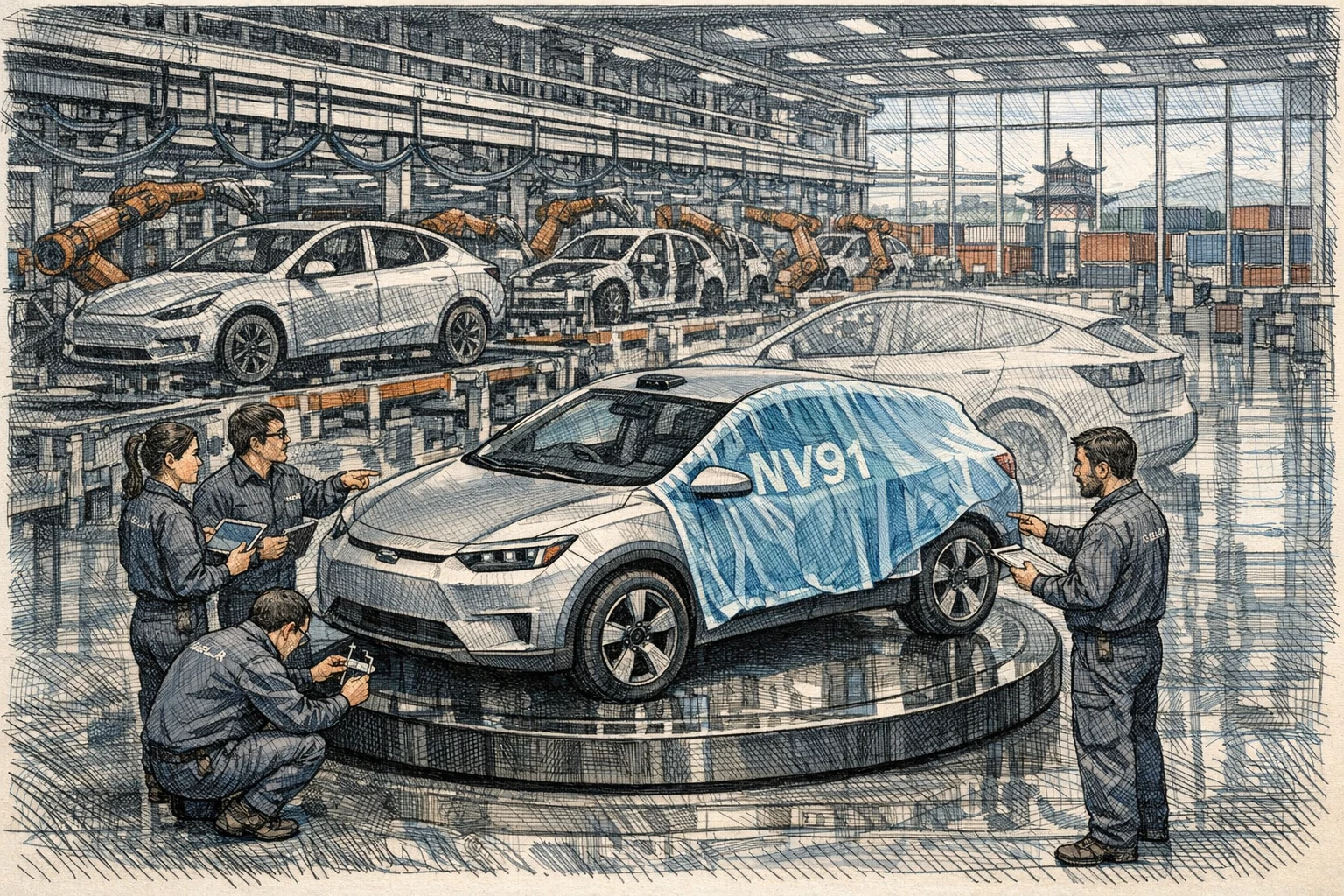
NIO reported a sharp improvement in its second-quarter results, with revenue rising 69.1% year over year to RMB 32.1369 billion and gross profit up 211.3% to RMB 5.9065 billion. Vehicle deliveries also climbed 49.4%, and the company said it has now posted profits for three consecutive quarters. Still, the market reaction was weak: NIO’s Hong Kong-listed shares fell as much as 10% intraday on Sept. 1, closed down 6.39%, dropped another 3.35% the next day, and slid 1.07% again on Sept. 3. The earnings release and management call showed why investors remain cautious. Margins slipped from the first quarter, adjusted net profit fell sequentially, and NIO said costs for memory, bulk materials and batteries have been rising since March, adding RMB 14,000 to per-vehicle cost versus last year. Management said the company is trying to hold vehicle gross margin near the second-quarter level in the third and fourth quarters despite a projected additional RMB 2,000 to RMB 3,000 in material cost per car in the second half. Executives also discussed brand mix, battery swap expansion, smart driving subscriptions and embodied AI. Chairman William Li confirmed Ren Shaoqing has started an embodied intelligence venture, with NIO supporting it as a strategic shareholder, while making clear the automaker itself will stay focused on smart EVs rather than directly entering the humanoid robot business.

260
NIO posts third straight profitable quarter, sticks to EV focus instead of building humanoid robots
WuBlockchain
2026-08-30 12:04:17

Lambda adds $1 billion in debt for Nvidia GPUs as G7 borrowing costs rise by $16 billion

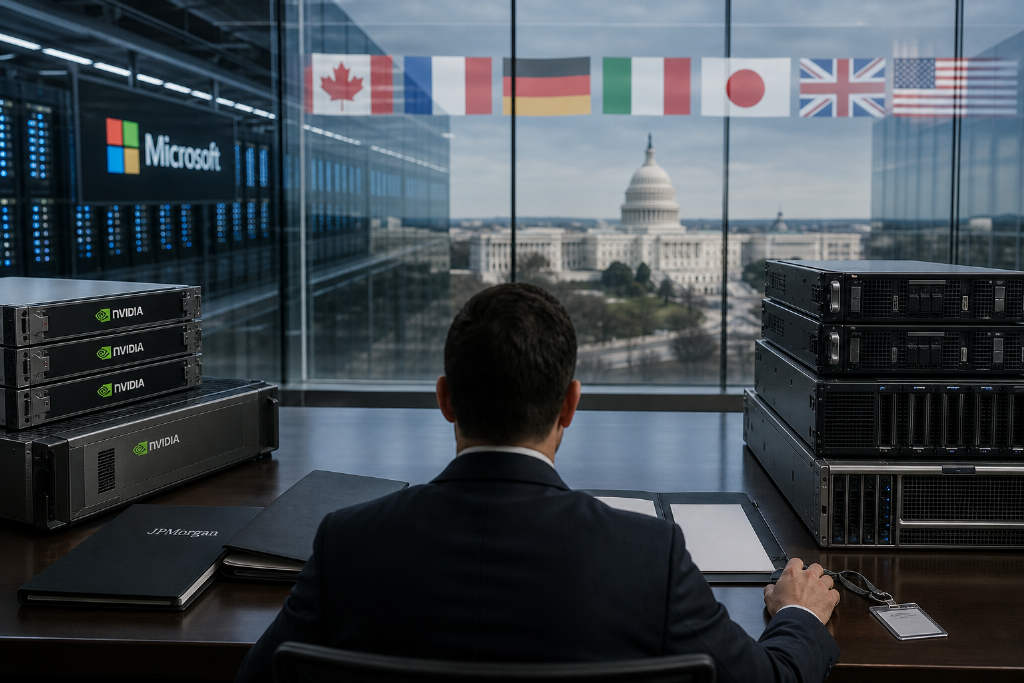
WuBlockchain’s WhiteLine Daily highlighted two threads running through the market: AI compute expansion is still being financed and ordered at scale, while higher interest rates are now showing up directly in government funding bills. According to Bloomberg, Nvidia-backed AI cloud provider Lambda raised about $1 billion in short-term private debt arranged by JPMorgan to buy Nvidia AI GPUs, with the capacity set to be leased to Microsoft. The company also completed a separate $926 million senior secured loan this week and had previously closed a $1 billion senior secured credit facility in May. On the macro side, Financial Times calculations show that since February this year, higher bond yields have added about $16 billion to government financing costs across the G7, with the United States accounting for roughly $10.6 billion. If current yield levels hold through the first quarter of 2027, the additional burden could rise by another $34 billion, including about $21.7 billion for the U.S. The report also noted a new order for 128 Nvidia B300 AI servers from SuperX in Australia and Toyota’s plan to start next-generation Lexus EV production in Shanghai in 2027.

730
Lambda adds $1 billion in debt for Nvidia GPUs as G7 borrowing costs rise by $16 billion
Shanghai
2026-08-11 23:32:09

Shanghai sets 2030 software target as SK hynix, Intel and OpenAI reveal new moves

Shanghai has rolled out its 15th Five-Year Plan for the software and information services industry, setting a 2030 target of reaching 4 trillion yuan in industry scale and more than 1.1 trillion yuan in value added. The plan lays out 18 tasks across three broad tracks: using artificial intelligence to upgrade major sectors, building new businesses in emerging areas such as AI gaming, and strengthening industry support through open-source development and international cooperation. The same news roundup also captured a busy day across corporate, regulatory and capital-market fronts. Tencent said WeChat’s “AI writing” and “AI commenting” features for Moments are still in limited testing, while WorkBuddy added multi-device sync. In semiconductors, SK hynix reportedly restarted construction of its second NAND flash plant in Dalian, aiming to lift capacity by about 50%. Intel priced a registered public offering of common stock at $95 per share and expanded the deal to $20 billion. Elsewhere, Samsung SDI agreed to fully take over its Indiana joint venture with General Motors, and OpenAI reportedly repurchased about $7 billion in employee shares at an $852 billion valuation. On the policy side, China’s market regulator said 764 CCC certificates had been revoked after certification checks. ETF assets approached 5 trillion yuan, and Air China said the C919 will make its first international commercial flight on Aug. 12.

630
Shanghai sets 2030 software target as SK hynix, Intel and OpenAI reveal new moves
Malaysia
2026-07-30 04:42:00

Malaysian police raid two Forest City scam hubs, arrest 335

Malaysian police raided two suspected international cyber fraud hubs in Forest City, Johor, on July 15 and arrested 335 people, according to Techub News, citing Japan Times. Police said the group allegedly targeted victims in China and Indonesia through cryptocurrency investment scams and romance scams. During the operation, authorities seized 313 computers, 1,557 mobile phones and SUVs worth about $245,000. Johor police chief Ab Rahaman Arsad said suspects approached victims through Telegram, WhatsApp and TikTok. Those arrested included 309 Chinese nationals and 19 Indonesians, among others. Police said the scam operation was based inside the Forest City development built by Chinese developer Country Garden Holdings, and stressed that the raid was unrelated to the recently shut down Network School.

420
Malaysian police raid two Forest City scam hubs, arrest 335
Bitshine
2026-07-17 03:26:19

Taiwan court sentences Bitshine ringleader Shi Qiren to 22 years in USDT laundering case

A Taiwan court has handed Bitshine Technology case ringleader Shi Qiren a 22-year prison sentence after finding him guilty in a scheme tied to fraud syndicates and more than NT$2.3 billion in alleged money laundering through Tether’s USDT. The Shilin District Court issued its first-instance ruling on July 16, 2026, and also ordered the confiscation of NT$43,718,505 in illicit gains. According to the case summary, Shi had acquired Bitshine with USDT after CoinW, where he had been responsible for the Taiwan market, failed to complete anti-money laundering reporting with regulators. Prosecutors said he then expanded the business into 45 physical outlets across Taiwan through a franchise model, while the stores were used to convert victims’ cash into USDT and send the tokens to wallets designated by fraud groups. Investigators said the network handled more than NT$2.3 billion between early 2024 and April 2025. A total of 1,539 people filed reports, with alleged fraud losses reaching more than NT$1.275 billion. The case remains appealable.

1740
Taiwan court sentences Bitshine ringleader Shi Qiren to 22 years in USDT laundering case