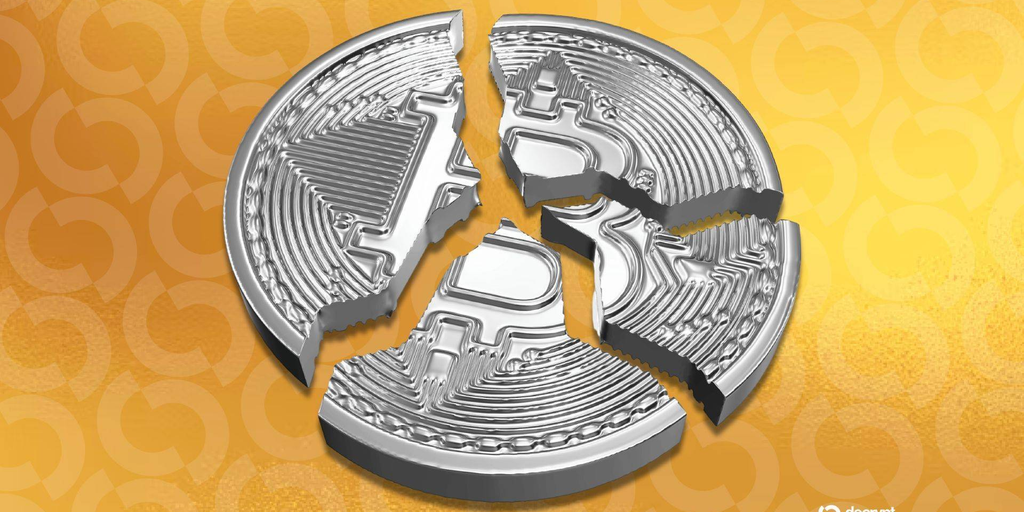
BIP-110 deepens Bitcoin split over inscriptions, consensus, and who gets to decide
A fight over Bitcoin Improvement Proposal 110 is exposing a deeper divide across the Bitcoin ecosystem, with developers, miners, companies, and users arguing over how far the network should go in limiting non-payment data. The proposal would temporarily tighten consensus rules around several methods used to embed arbitrary data in Bitcoin transactions, including output sizes, OP_RETURN usage, witness elements, and some Taproot-related techniques tied to inscriptions. Supporters frame BIP-110 as an attempt to curb blockchain spam and refocus Bitcoin on monetary use. Critics say it would invalidate some transactions that are currently valid under existing consensus rules, opening the door to future changes that could weaken Bitcoin’s censorship resistance and predictability. Jameson Lopp, Michael Saylor, Adam Back, Luke Dashjr, and Samson Mow have all weighed in publicly. The dispute also traces back to the rise of Ordinals and BRC-20 tokens in early 2023, which increased demand for block space and pushed fees higher. According to the proposal’s dashboard, only 1% of miners have signaled support so far, with the mandatory signaling period set to begin in August.