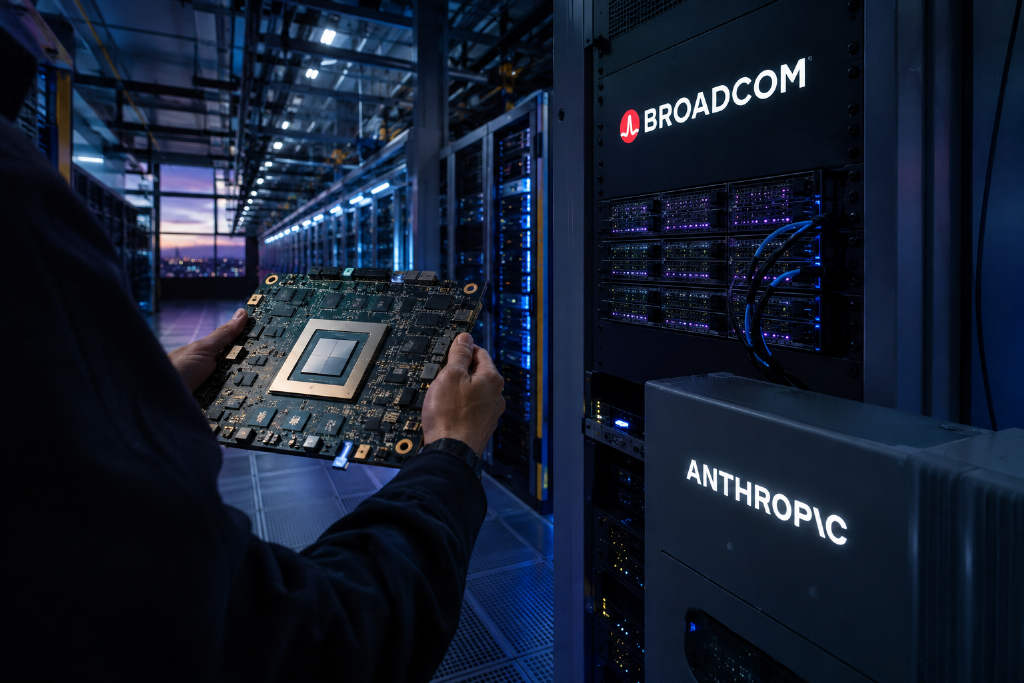
August mining roundup: miners pivot to AI, Poolin creditor committee forms, BIP-110 draws only 2.6% support
Bitcoin mining in August was defined by two parallel shifts. Public miners kept redirecting capital, power and data center capacity toward AI and high-performance computing, while the economics of core mining operations stayed under pressure. Data cited across the report showed falling tracked hashrate, a lower network difficulty, fee revenue near multi-year lows, weaker miner balances, and rising shutdown prices for several machine models. Capital spending by listed miners and AI data center peers in the first half of 2026 already surpassed the total for all of 2025, with AI-native cloud companies accounting for most of the spending. Corporate disclosures reinforced the same trend. Riot Platforms signed a long-term cloud deal with Anthropic, IREN delivered the first phase of its Horizon AI cloud project to Microsoft, and companies including Bitdeer, Soluna, TeraWulf, Ionic Digital, Cipher Digital, CleanSpark, Hut 8, Cango and BitFuFu reported results that showed different mixes of mining, hosting, AI cloud and infrastructure revenue. At the same time, MARA added debt backed by BTC collateral, Tether’s Uruguay mining sites stopped operating, and tax disputes in Sweden pushed some miners to rethink local deployments. On the protocol and industry governance side, BIP-54 moved forward as a proposed soft fork cleanup package, while BIP-110 failed to gain broad miner support. Michael Saylor said the proposal had only about 2.6% signaling support and would not reach its voluntary activation threshold in the current cycle. Separately, Poolin creditors formed a committee after the company’s Chapter 11 filing, SBI Crypto shut down its pool service, and new regulatory and enforcement developments emerged in Russia, Kazakhstan, Uzbekistan, Brazil and China.