TIME

OpenAI
2026-08-02 05:03:20

OpenAI product lead says Google had a ChatGPT-like tool a year early but never released it

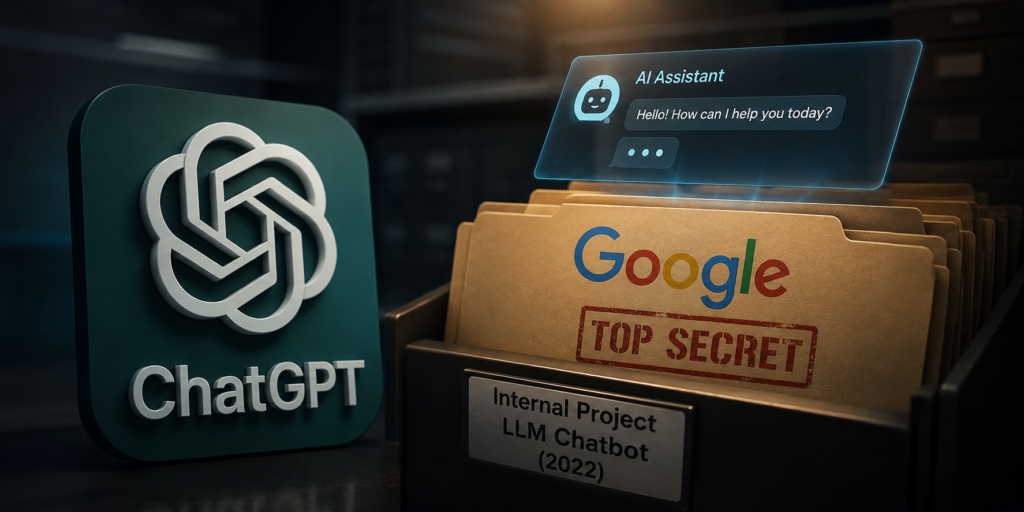
OpenAI product lead Tibo Sottiaux said on X that he was part of a Google team that built an internal product called LMChat, which he described as essentially "ChatGPT one year before it came out." According to Sottiaux, the tool was never released because Google was too nervous to ship it, and DeepMind was blocked from launching products that could disrupt Google’s core search business. His comments came in response to a post by former Meta engineer Cheng Lou, who referenced remarks from Google chief scientist Jeff Dean saying Google had internal chatbots before ChatGPT launched, but did not think they were better than standard Google Search. The timeline outlined in the report links LMChat to Google’s broader work on conversational AI, including LaMDA in 2021 and Meena in 2020. The report also revisits Google’s rushed response after ChatGPT’s release. In February 2023, Google introduced Bard, but an error in a live demo was followed by an about $100 billion one-day drop in Alphabet’s market value. Two months later, Google merged Brain and DeepMind into Google DeepMind. Sottiaux later joined OpenAI in 2024, led work on Codex, and in 2026 became a core product leader overseeing both ChatGPT and Codex.
1720
OpenAI product lead says Google had a ChatGPT-like tool a year early but never released it
Stacks
2026-07-24 19:21:40

Stacks Approves Bitcoin Staking Upgrade With More Than 99% Support, Hard Fork Targeted Around July 29

The Stacks community has approved SIP-045, the proposal that introduces Bitcoin staking to the network, with more than 99% of votes cast in favor, according to Stacks co-creator Muneeb Ali. The vote clears the way for a hard fork targeted for around July 29 near Bitcoin block 907,740. A companion proposal, SIP-044, also passed, bringing Clarity 6 and new staking post-conditions. Under the new design, participants will be able to lock BTC in a timelocked contract on Bitcoin’s base layer while keeping control of their own keys, then pair that position with locked STX to earn bitcoin-denominated yield. The system uses SPV proofs to verify the Bitcoin-side lock and does not rely on a custodian or a trusted bridge. The paired bonds are designed to target about 3% APY in BTC, while excess rewards are split between STX-only stackers and a reserve pool. The upgrade also restores STX coinbase emissions to 1,000 STX per Bitcoin block from 500, reversing April’s cut. Even so, the vote had little immediate impact on the token price. CoinGecko data cited by The Defiant showed STX trading at $0.144, down 13% over 24 hours, compared with Bitcoin’s 1.9% decline.

1560
Stacks Approves Bitcoin Staking Upgrade With More Than 99% Support, Hard Fork Targeted Around July 29