TIME

Microsoft Res
2026-08-31 16:03:19

Microsoft Research unveils GigaPath-Flash and GigaTIME-Flash pathology foundation models

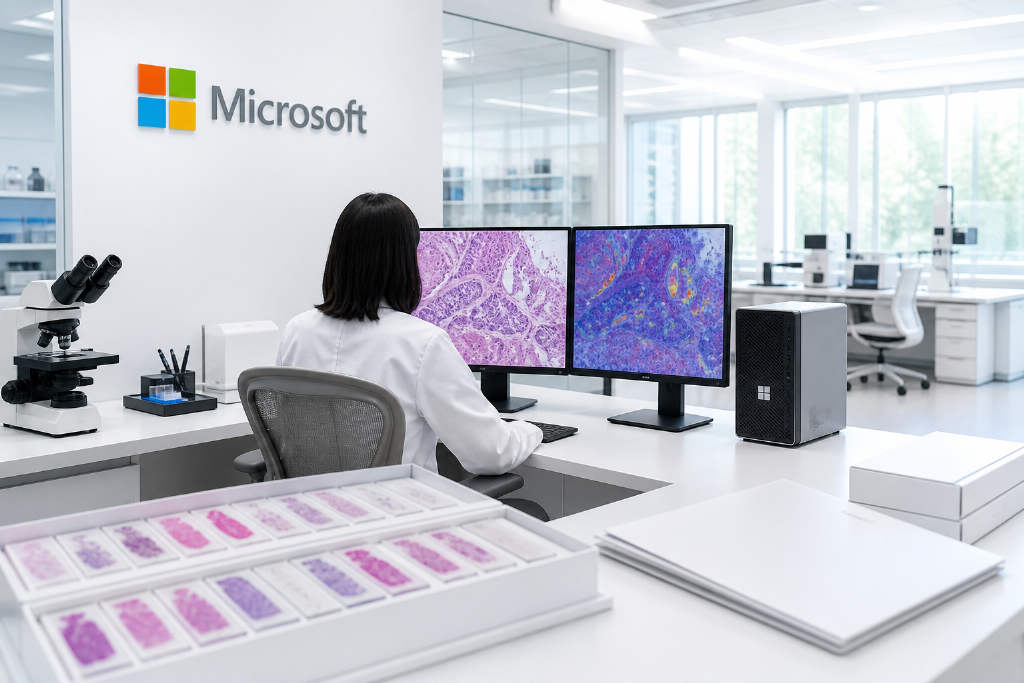
Microsoft Research has introduced two pathology foundation models, GigaPath-Flash and GigaTIME-Flash, with a focus on cutting compute costs for large-scale research workloads. According to the announcement cited by Techub News, the models use distilled backbone networks to reduce computational demand while maintaining performance. That design is intended to make repeated analysis across larger patient cohorts more practical. Microsoft Research said the open-source models are built to help researchers work with diverse cancer datasets and study disease biology, biomarkers, and clinical outcomes. At the same time, the organization drew a clear boundary around their use: the models are not intended for clinical diagnosis or treatment decisions. The release centers on research efficiency and accessibility rather than clinical deployment.
160
Microsoft Research unveils GigaPath-Flash and GigaTIME-Flash pathology foundation models
Policy Regula
2026-08-28 09:50:00

OCC and FDIC finalize bank enforcement rule as OpenAI says AGI could arrive by end of 2026

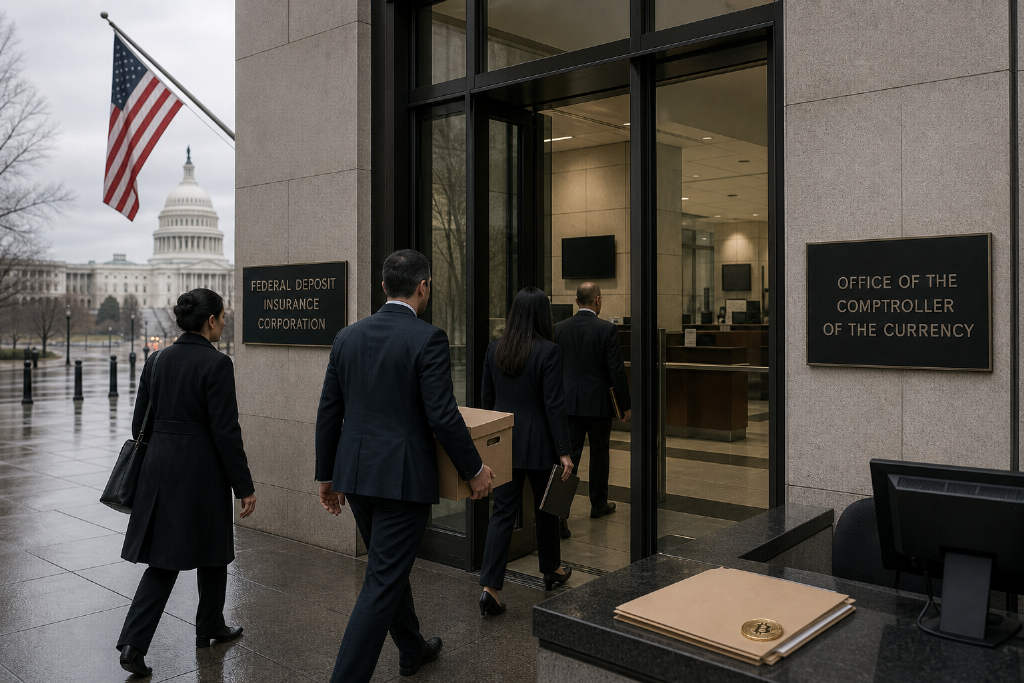
PANews’ daily roundup on Aug. 28 covered a wide set of policy, crypto, AI, fundraising, and market developments. In the U.S., the Office of the Comptroller of the Currency and the Federal Deposit Insurance Corporation finalized a rule that requires bank regulators to show material financial risk or a legal violation before labeling a bank practice “unsafe or unsound” and taking enforcement action. Separately, OpenAI CEO Sam Altman told TIME that the company expects to achieve an internal artificial general intelligence system, under its own definition, by the end of 2026. The digest also said Anthropic plans to release its IPO prospectus after the U.S. Labor Day holiday and could list in late September or early October. Upbit parent Dunamu signed a strategic partnership with Visa to explore stablecoin-based services, cross-border remittances, and AI-driven payments. Ethena Foundation announced four ecosystem changes, including a proposal for revenue-based ENA buybacks and the removal of future monthly VC unlocks. Hugging Face-owned Pollen Robotics launched the $399 Microduck robot, while Sharpa, Socure, and RQD* Clearing disclosed new funding developments. The roundup also included updates on Moonwell, Sun Yuchen, Arthur Hayes’ comments on Strategy, ETF flows, and several on-chain trading signals.

1080
OCC and FDIC finalize bank enforcement rule as OpenAI says AGI could arrive by end of 2026
TIME Magazine
2026-08-28 06:39:06

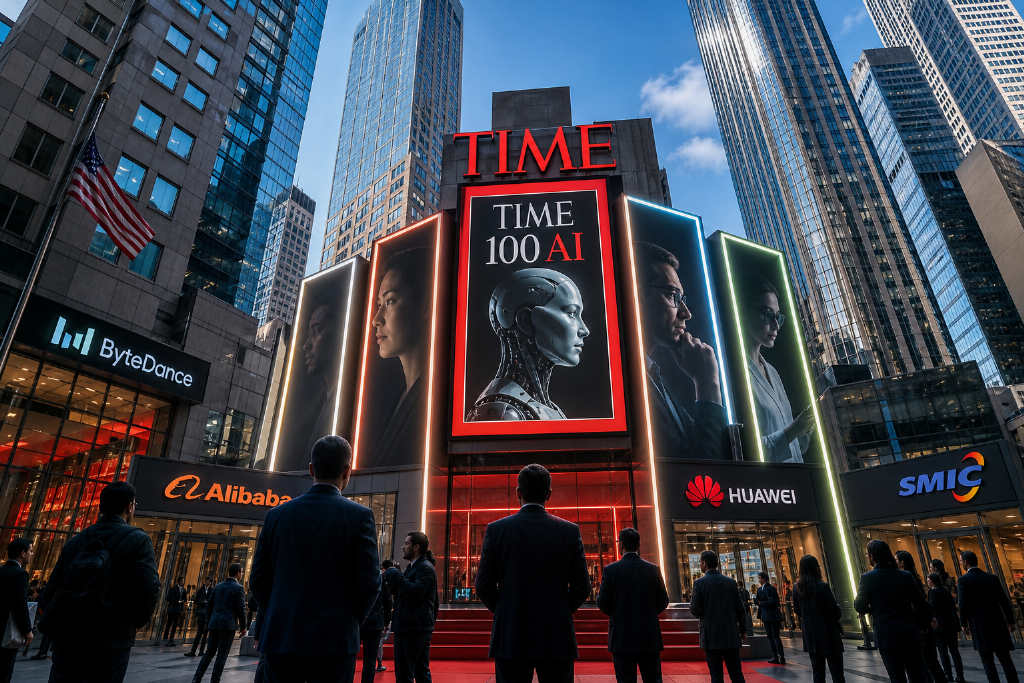
TIME Unveils 2026 AI 100 List With Broader Cast and Stronger China Presence

TIME has released the fourth edition of its TIME100 AI list, expanding the spotlight beyond familiar Silicon Valley executives to include a labor leader and a Hollywood actor. The ranking is divided into four groups — Leaders, Innovators, Shapers, and Thinkers — and features executives from OpenAI, Anthropic, SpaceX, Amazon, Oracle, IBM, and Google DeepMind, alongside startup founders and policy figures. The list also highlights infrastructure leaders tied to chips and cloud computing, including executives from Broadcom, AWS, CoreWeave, Cerebras, and Micron. A notable shift this year is the larger presence of Chinese executives and founders. ByteDance, Alibaba, Huawei, SMIC, Moonshot AI, BYD, Zhiyuan Robotics, Zhipu, and Manus all appeared across the ranking. In his editor’s letter, Sam Jacobs singled out Moonshot AI co-founder and CEO Yang Zhilin, writing that he had built models that drew major attention and at times exceeded those of leading U.S. rivals.

1050
TIME Unveils 2026 AI 100 List With Broader Cast and Stronger China Presence
TIME100 AI
2026-08-28 03:11:15

TIME Unveils 2026 TIME100 AI List, With Yang Zhilin Joining for the First Time

TIME has released its 2026 TIME100 AI list, the fourth edition of its annual ranking of 100 notable figures in artificial intelligence. Nvidia CEO Jensen Huang and DeepSeek CEO Liang Wenfeng, both listed under the "Leaders" category last year, were absent from this year’s selection. Kimi developer Moonshot AI’s Yang Zhilin appeared for the first time, landing in the "Innovators" group. TIME editor-in-chief Sam Jacobs specifically highlighted Yang, saying Moonshot AI’s models drew "extraordinary attention" over the past year and at times even outpaced the attention received by the most advanced U.S. competitors. In the "Leaders" category, OpenAI’s Sam Altman, Mark Chen and Greg Brockman were listed together, while Anthropic’s Dario Amodei and Daniela Amodei were also selected. The list also included representatives from several Chinese companies, including ByteDance, Alibaba, Huawei, SMIC, Moonshot AI, Zhipu, Manus, AgiBot and BYD. Among the newer names, founders building AI agents and tools featured prominently, including Cursor CEO Michael Truell, OpenClaw creator Peter Steinberger and Manus founder Xiao Hong. Actor Ben Affleck was another unexpected inclusion in the "Innovators" group after founding InterPositive, an AI-powered film post-production company acquired by Netflix in March for about $587 million in cash, after which Affleck joined Netflix as a senior adviser.

890
TIME Unveils 2026 TIME100 AI List, With Yang Zhilin Joining for the First Time
Alibaba
2026-08-27 14:50:14

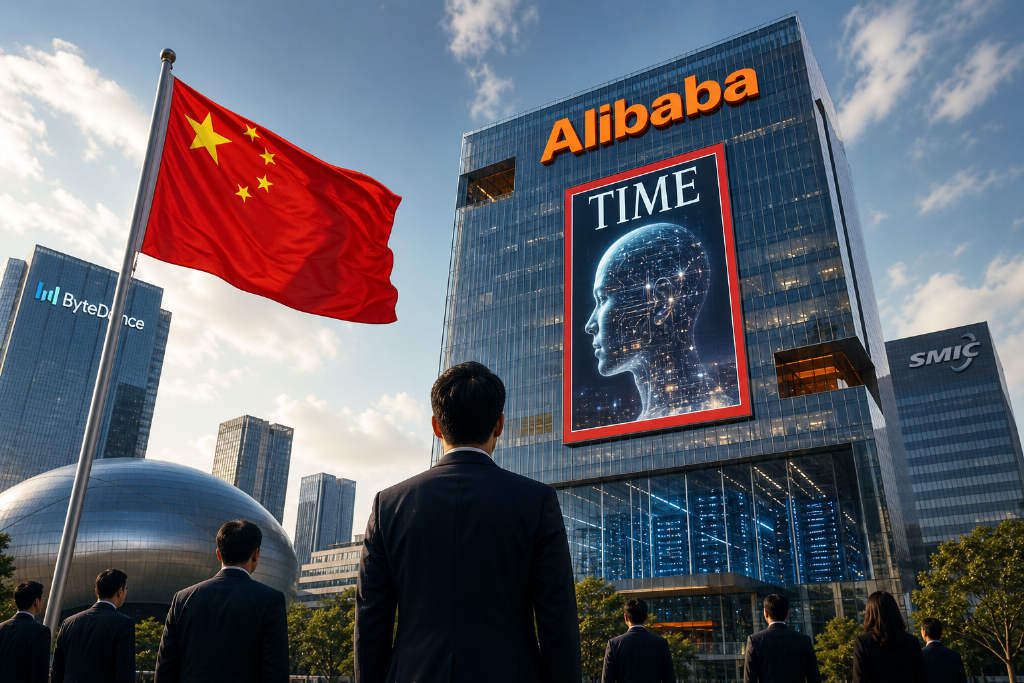
Alibaba CEO Eddie Wu Named to TIME100 AI 2026

TIME magazine has released its TIME100 AI 2026 list of the 100 most influential figures in global artificial intelligence. Alibaba Group CEO Eddie Wu was selected in the "Leaders" category, with TIME citing his role in steering Alibaba into a leading force in open-source AI worldwide. Wu was also placed at the center of the magazine cover alongside SpaceX CEO Elon Musk, Amazon founder Jeff Bezos, and OpenAI co-founder Sam Altman, making him one of the featured figures highlighted by the publication. The list also includes ByteDance's Liang Rubo, Semiconductor Manufacturing International Corporation's Liang Mong-song, and Moonshot AI's Yang Zhilin, who were named across sublists including Leaders and Innovators. The announcement was reported by Odaily.

830
Alibaba CEO Eddie Wu Named to TIME100 AI 2026
CXMT
2026-08-26 00:26:53

Apple Said to Be Exploring Chinese Memory Suppliers as CXMT and YMTC Expand

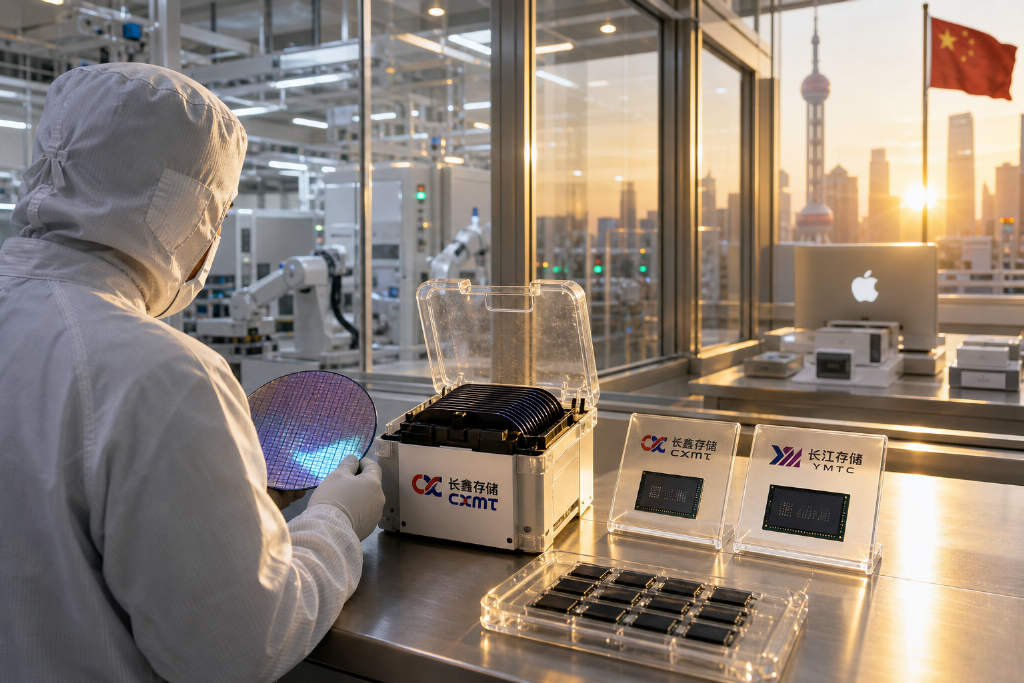
Apple is actively exploring the addition of Chinese memory makers ChangXin Memory Technologies and Yangtze Memory Technologies Co. to its supply chain, according to a DIGITIMES report cited by ChainCatcher. The report says both companies are continuing to expand and are drawing attention over whether they can formally enter Apple’s supplier system. Industry sources quoted in the report said the two manufacturers are using Apple as a benchmark to demonstrate that Chinese DRAM and NAND Flash products have reached international quality standards, while also shipping to North American neocloud and enterprise customers through third-party assembly channels. The report also details their capital plans and production ramp-up. CXMT’s parent company has completed a 29.5 billion yuan fundraising round, while YMTC is preparing an IPO expected to raise about 33 billion yuan for production-line upgrades and research and development. DIGITIMES added that YMTC turned profitable in 2024, posted 33.379 billion yuan in attributable net profit in the first quarter of 2026, and plans to bring its phase-three plant online in the fourth quarter of 2026.

1050
Apple Said to Be Exploring Chinese Memory Suppliers as CXMT and YMTC Expand
NFT
2026-08-25 17:08:03

Protos reviews 32 NFT predictions and finds most never came close to materializing

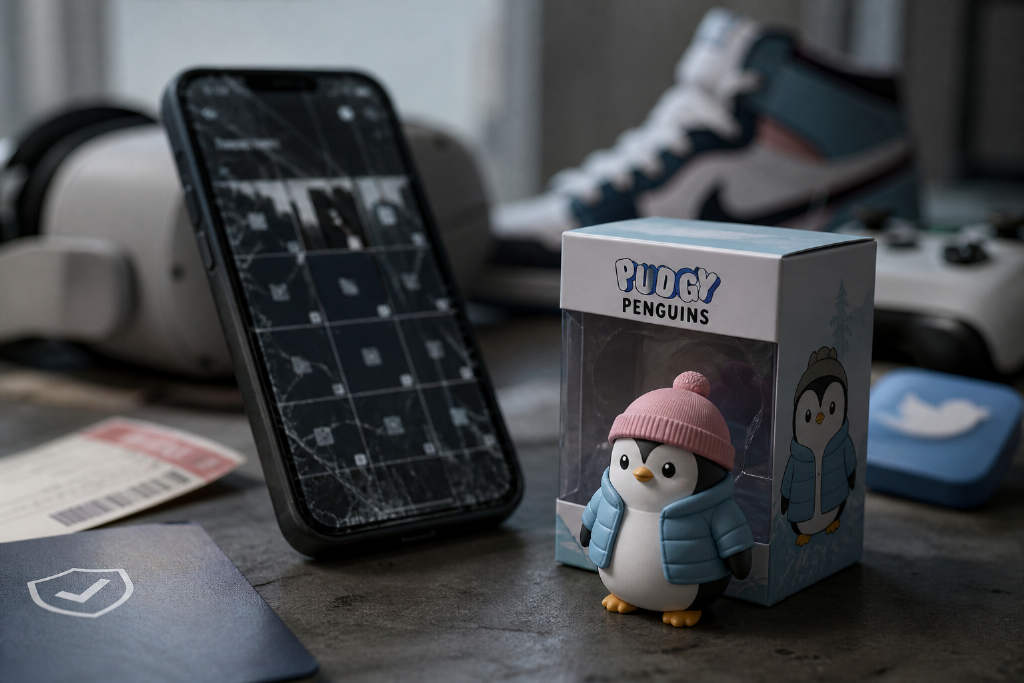
Protos revisited 32 public predictions about non-fungible tokens and argued that most of the grand claims made during the sector’s boom years have not held up. The review spans insurance, real estate, ticketing, gaming, social media, digital identity, music, retail, and the metaverse, citing comments from Kevin O’Leary, Mark Cuban, Brian Armstrong, Mark Zuckerberg, Justin Sun, Tyler Winklevoss, and others. According to the piece, even many high-profile corporate and celebrity NFT efforts were later shut down, removed, sold, or quietly abandoned. Protos also contrasts old market forecasts with current figures, noting that CoinGecko places NFT market capitalization at roughly $1.7 billion, far below Stephanie Wissink’s projection that it would exceed $80 billion by 2025. In gaming, the article highlights Michael Wagner’s claim that Star Atlas could attract billions of users, while saying the latest economic report for SAGE: Starbased showed 2,000 monthly active users when that metric stopped being tracked. One of the few examples Protos presents as relatively successful is Pudgy Penguins, where CEO Luca Netz said he would turn a failed project into a brand known inside and outside the NFT market; the report says the brand has since placed derivative toys in major stores and improved its standing in NFT rankings.

970
Protos reviews 32 NFT predictions and finds most never came close to materializing
Policy and Re
2026-08-24 02:01:43

DIGITIMES says laptop brands are scaling back Southeast Asia output and shifting production back to China

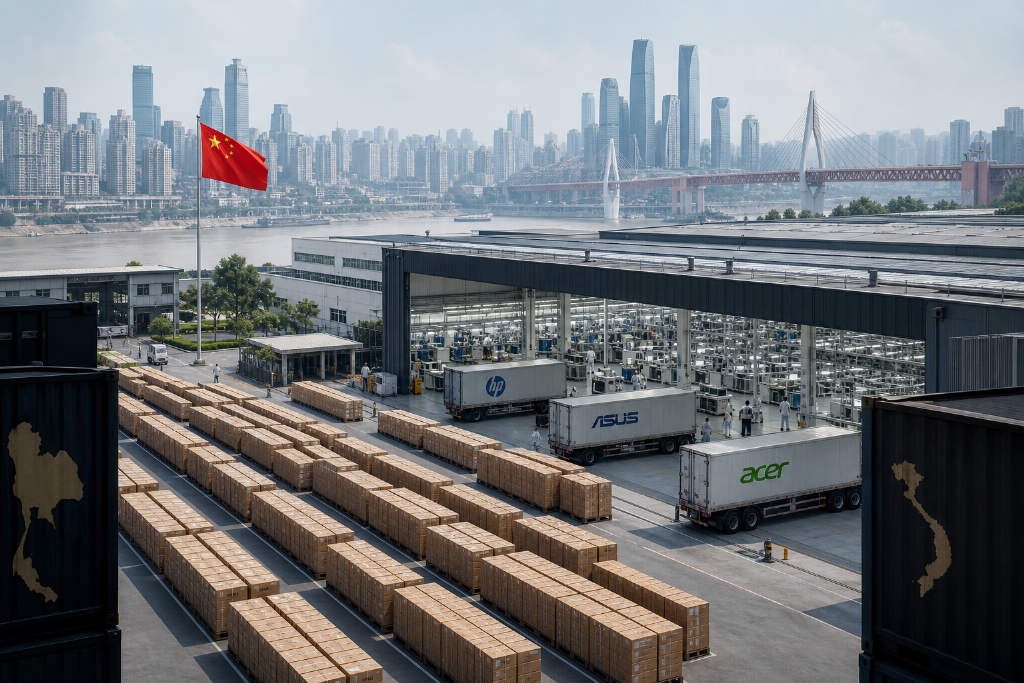
A new report cited by ChainCatcher says notebook computer brands are pulling back from earlier plans to move more production into Southeast Asia, with manufacturing focus returning to Chongqing and Kunshan in China. According to DIGITIMES, HP, ASUS and Acer have recently made visible cuts to the capacity they had planned to relocate, while also increasing orders and white-label production with Chinese ODM and EMS suppliers. The shift could affect production lines at Quanta and Inventec in Thailand, as well as Compal and Wistron in Vietnam. The report says Lenovo, Dell and Apple have so far shown less movement. Supply chain sources cited two main reasons for the change: a lower-than-expected hit from replacement tariffs after the U.S. reciprocal tariffs were ruled unconstitutional by the federal Supreme Court, and a cost gap that leaves notebook production in Southeast Asia averaging $9 more per unit than in China. With gross margins on a single notebook often sitting between 3% and 10%, and lower-priced models averaging about $300, that difference can wipe out most or all profit. The report also says local governments in China are pushing for higher output and may reclaim past subsidies if production does not rise.

1330
DIGITIMES says laptop brands are scaling back Southeast Asia output and shifting production back to China