Google2026-09-03 17:52:42Google Releases Kotlin Generative AI SDK 1.0, Boosting On-Device AI IntegrationGoogle has released the 1.0 version of its Kotlin generative AI SDK, designed to enhance mobile AI integration. The toolkit supports on-device generative AI, improving development efficiency and strengthening privacy protection.840
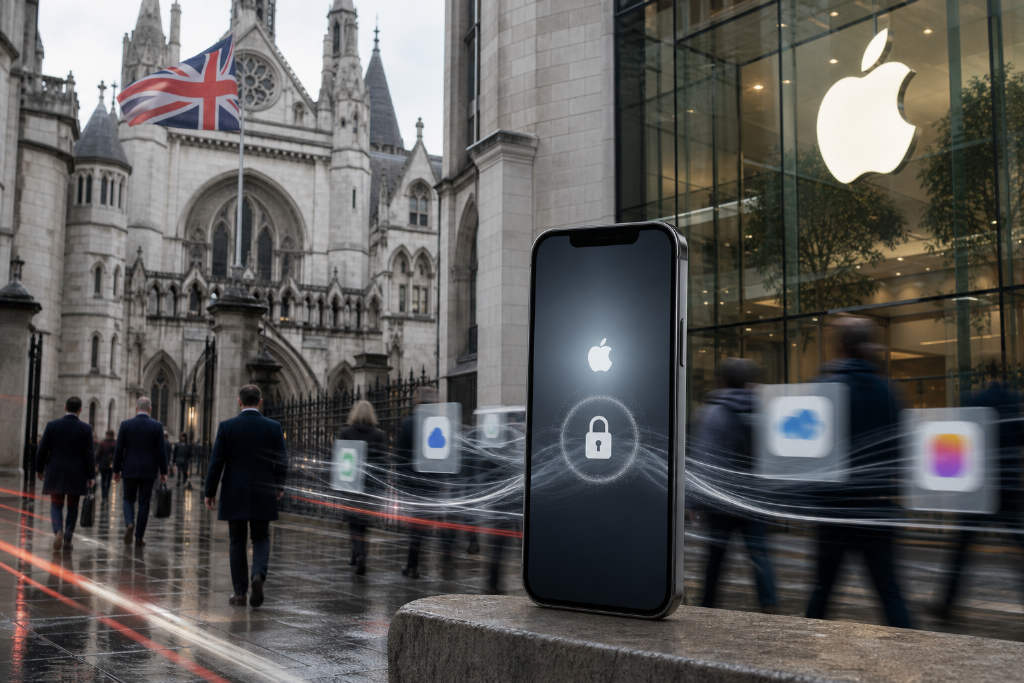
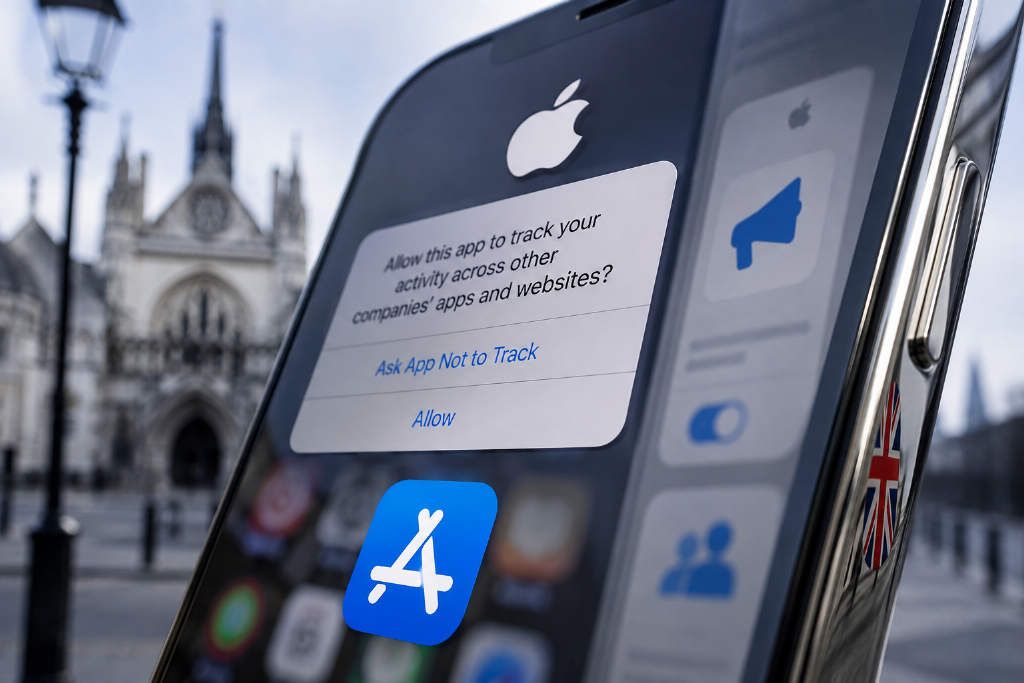
Apple2026-09-03 13:13:01Apple Faces $2.7 Billion Class Action in London Over ATT Double StandardsApple is facing a collective lawsuit in London over its App Tracking Transparency (ATT) feature, with damages sought of £2 billion (approximately $2.7 billion). The suit, filed by former UK Competition and Markets Authority senior official Ann Pope on behalf of app developers, alleges that Apple imposes stricter tracking restrictions on third-party developers while granting its own advertising ecosystem an unfair advantage. This is the first large-scale private antitrust action in the UK targeting Apple's app tracking rules.870
Apple2026-09-03 13:29:05Apple Hit with £2B Class Action in London Over ATT 'Double Standard'Apple faces a £2 billion ($2.7 billion) class-action lawsuit in London over its App Tracking Transparency feature, alleging it unfairly restricts third-party apps while favoring its own ads. Former UK regulator Ann Pope leads the suit, which is the first major private antitrust action against Apple's app ecosystem in the UK.810
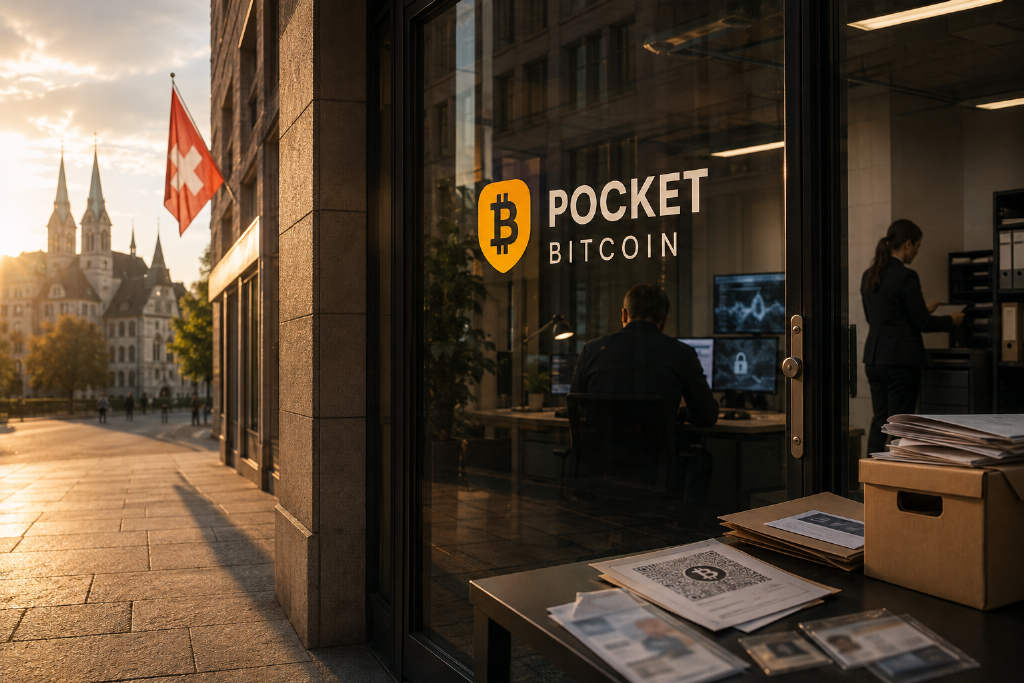
Pocket Bitcoi2026-09-03 12:54:36Pocket Bitcoin Data Breach Exposes Over 5,400 Customers, No Signs of Misuse YetPocket Bitcoin disclosed that a security incident led to the exposure of data for over 5,400 customers, including bank transfer details, ID documents, and Bitcoin addresses. The company said its investigation is complete and there are currently no indications that the data has been misused.760
a16z Crypto2026-09-03 06:33:05a16z Says Finance Needs More Than Throughput From Blockchain NetworksTransaction speed is no longer the main dividing line for blockchains targeting finance, according to a new article by a16z Crypto, translated by Luffy and published by Foresight News. The piece argues that while throughput and cost once dominated the discussion, financial institutions now need to know whether blockchain networks can meet the standards expected of trading infrastructure in real markets. The article breaks that standard into three core requirements. First is predictability: transactions must be admitted and confirmed within known time windows under rules that market participants can understand in advance. Second is ordering: if a single builder or proposer can decide which trades enter a block and in what sequence, the system risks reproducing the same information asymmetries seen in traditional finance, including behavior associated with maximal extractable value, or MEV. Third is privacy before execution: pending orders should not be visible in ways that expose trading intent before a trade is completed. a16z Crypto says developers are working on mechanisms such as “strong chain quality,” deterministic ordering rules, fully homomorphic encryption, and encrypted mempools. In its view, high throughput remains necessary, but it is only the starting point. What finance needs is a blockchain that offers dependable access, clear execution rules, protection against interference, and auditable transparency after trades are completed.1190
a16z Crypto2026-09-03 06:06:08a16z Crypto Says Finance Needs More Than Throughput From Blockchainsa16z Crypto argues that higher throughput alone no longer answers the central question for blockchains targeting financial markets. As trading, stablecoin issuance, and tokenized assets move on-chain, financial institutions need networks that can deliver predictable execution, resilient transaction access, clear ordering rules, and pre-trade privacy. The piece says recent infrastructure upgrades have eased earlier limits around congestion, cost, and transaction capacity, with some commercial networks now processing tens of thousands of transactions per second. That progress shifts the conversation away from raw speed and toward whether blockchains can meet the operational standards expected in real markets. The article focuses on three requirements. First, compliant transactions must have reliable paths into the chain without a single operator controlling access. Second, transaction ordering must follow rules that participants can understand in advance, rather than discretionary decisions by block builders that can open the door to MEV and information asymmetry. Third, sensitive order information should remain protected before execution, even if post-trade disclosure varies by market structure. In a16z Crypto’s view, blockchains are closer to supporting financial markets than before, but only if they pair performance with execution certainty, ordering discipline, and privacy protections that hold up under stress.890
Norway2026-09-02 15:23:34Norway Proposes Regulation of 'Spy Glasses' and Weighs Facial Recognition BanNorway's government is pushing to regulate wearable 'spy glasses' and considering a ban on facial recognition in public places. The country's consumer watchdog has urged retailers to halt sales until regulations are clarified.980
Norway2026-09-02 15:18:44Norway Plans Tighter Rules for Smart Glasses and Weighs Ban on Facial Recognition in PublicNorway is preparing tighter regulation for smart glasses and is considering a ban on facial recognition in public spaces, Digitalisation Minister Karianne Tung said on August 25. In a government statement, Tung said AI is increasingly being combined with cameras and microphones embedded in glasses, earbuds, and caps, and warned that Norway must prevent such equipment from being used to monitor other people in public. She said the government will appoint an expert group to advise on consumer protections, while asking both public and private organizations to draft their own guidelines in the meantime. No timeline has been announced. The move comes as scrutiny of smart glasses intensifies internationally. Finn Lützow-Holm Myrstad of the Norwegian Consumer Council backed the proposal and said stores should stop selling smart glasses until the legal framework is settled. He also said Meta’s facial recognition capability is already built and waiting to be rolled out, adding that even a ban on that feature would not stop covert filming. Recent pressure on Meta has included a BBC investigation, reporting by Swedish newspapers, calls from the ACLU and 75 other groups, a Texas state probe, and venue bans by Monopoly Events and DEF CON.350