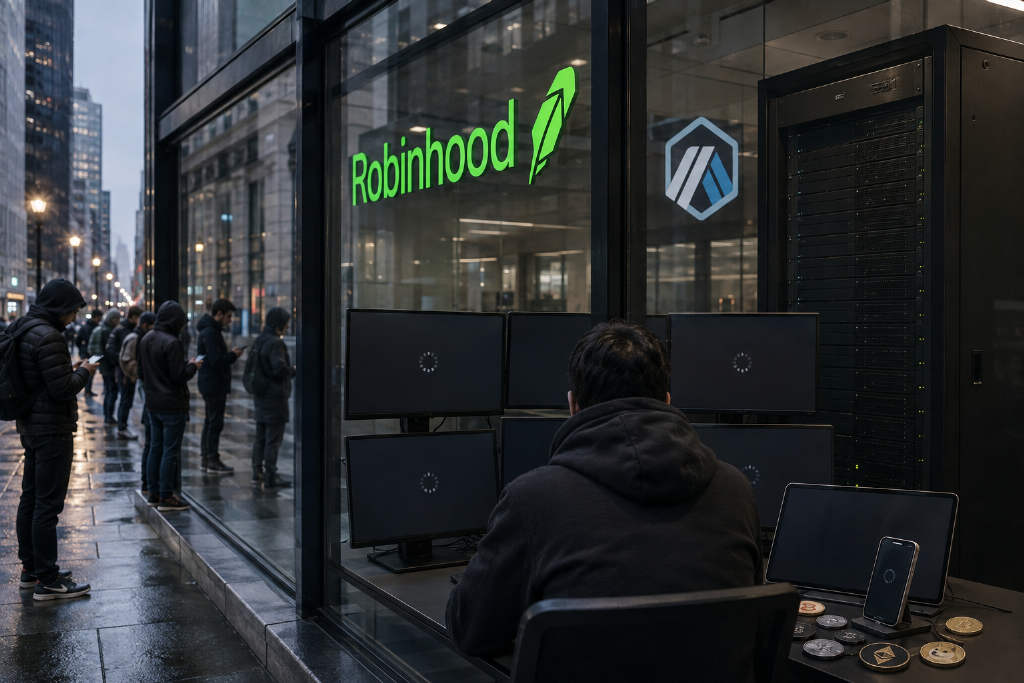
Robinhood Cha2026-09-04 13:07:20Robinhood Chain Goes Down as Centralized Sequencer Buckles Under Meme Coin FrenzyRobinhood Chain, an Arbitrum Orbit-based Layer 2 network, experienced a brief outage on September 4, halting block production for several minutes. The centralized sequencer likely failed under surging transaction volume from meme coin trading. The official status page showed no issues, raising concerns about L2 centralization risks.1280
Base2026-07-09 09:13:13Base Mainnet Outage Lasts 33 Minutes: Infrastructure Weakness Sparks Decentralization DebateEthereum L2 network Base suffered a 33-minute outage on Aug 5 due to high onchain activity overwhelming its sole sequencer. The incident reignited criticism over centralization risks, as TVL exceeds $4.1B. Base has implemented fixes to prevent recurrence.530
Base2026-06-28 05:14:05Base Post-Mortem: Race Condition Caused Sequencer Bug Leading to Back-to-Back OutagesBase's official post-mortem report reveals that a 'race condition' triggered after a system reset prevented the sequencer from catching up, resulting in a second outage. The incident highlights the fragility of infrastructure during high-load recovery and calls for optimized state machine reset logic.630
Base2026-06-28 01:09:20Base Mainnet Two Outages: Sequencer State Management Bug Led to Block Production Halt, Funds SafeBase mainnet experienced two block production outages on June 25 and 26, 2026, lasting approximately 116 minutes and 20 minutes respectively. The official postmortem attributed the root cause to a sequencer block-building logic defect: after a failed transaction execution, the system failed to clean up the historical journal state, causing subsequent valid transactions to compute gas incorrectly and produce an invalid state transition block, which halted the L2 network. During the outages, block production stopped, mempool congested, and eth_sendRawTransaction returned errors. User funds remained safe. A patch (PR #3806) fixed the journal issue, but a race condition in the sequencer cluster restart triggered a second short outage. Base plans to enhance fuzz testing, stress testing, monitoring, and introduce a graceful recovery mechanism to improve network resilience.850
Base2026-06-28 01:09:20Base Mainnet Postmortem: Sequencer State Management Bug Causes Two Block Production OutagesBase experienced two block production outages on June 25 and 26, 2026, lasting approximately 116 minutes and 20 minutes respectively. The official postmortem report identifies the root cause as a sequencer state management bug: after a failed transaction execution, the system failed to clean up historical journal state, leading to anomalous gas calculation and invalid state transition blocks. Base has deployed fix PR #3806 and plans to enhance fuzzing, stress testing, and recovery mechanisms. User funds remained safe throughout.800
Base2026-06-28 01:09:20Base Mainnet Outage Retrospective: Sequencer State Management Bug Halts Block Production; User Funds SafeBase released a post-mortem report detailing two block production outages on June 25 and 26, lasting 116 and 20 minutes respectively. The root cause was a sequencer state management bug where failed transactions left stale journal state, causing incorrect gas computation and invalid blocks. No user funds were at risk. A patch (PR #3806) has been applied. Base plans to enhance fuzzy testing, stress testing, and introduce a graceful recovery mechanism to improve network resilience.940
Base2026-06-28 01:09:20Base Mainnet Outage Postmortem: Sequencer State Management Bug Halts Block Production, Official Vows Enhanced Testing and RecoveryBase has released a postmortem report on two consecutive block production outages on its mainnet on June 25 and 26, lasting approximately 116 minutes and 20 minutes respectively. The incidents did not compromise on-chain asset security, and user funds remained safe throughout. The root cause was identified as a bug in the sequencer's block construction logic: after a transaction execution failure, the system failed to properly clean up the historical journal state, leading to incorrect gas calculations for subsequent valid transactions and generating invalid state transition blocks. This ultimately halted block production on the L2 network. A patch (PR #3806) was deployed to fix the issue, but a race condition during the sequencer cluster restart contributed to a brief recurrence the next day. Going forward, Base plans to strengthen protocol-level fuzz testing and stress testing, as well as introduce a graceful recovery mechanism to improve resilience against similar failures.870
Base2026-06-28 01:09:20Base Mainnet Two Outages Postmortem: Sequencer State Management Bug Halts Block ProductionBase published a postmortem disclosing two block production outages on June 25 and June 26, lasting ~116 minutes and ~20 minutes respectively. The root cause was a sequencer bug where the system failed to properly clean journal state after a failed transaction execution, leading to gas calculation errors and invalid state transitions, stopping the entire L2 network. A patch (PR #3806) fixed the initial issue, but a race condition during cluster restart caused a second brief outage. Base plans to enhance protocol-level fuzz testing, stress testing, and graceful recovery mechanisms.750