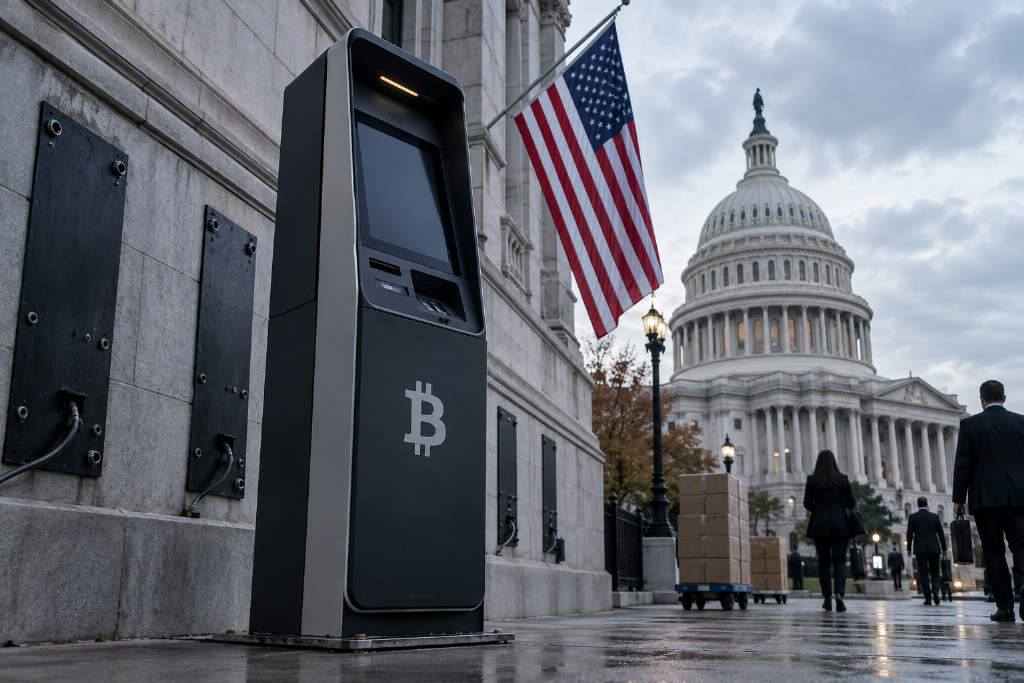
Tennessee Strategic Bitcoin Reserve Bill: Allocation Limits, Custody Rules, and Transparency Explained
Lawmakers in Tennessee are reviewing the Tennessee Strategic Bitcoin Reserve Act, a proposal that would allow the State Treasurer to place a limited share of public funds into bitcoin. The bill would make Tennessee one of a small number of U.S. states seeking to formalize bitcoin holdings through statute rather than informal policy discussion. Under the proposal, eligible state funds, including the general fund and revenue fluctuation reserve, could gain bitcoin exposure up to 10% at the time of purchase, while annual purchases would be capped at 5% per fiscal year until that ceiling is reached. The legislation is intentionally narrow: it permits investment in bitcoin only and excludes all other cryptocurrencies and digital assets. It also lays out detailed custody standards, including offline encrypted hardware storage across at least two locations, encrypted access channels, multi-party authorization, audit logs, annual third-party code reviews, penetration testing, and disaster recovery planning. Transparency is another central pillar. Every two years, the Treasurer would be required to publish a public report showing bitcoin holdings, purchase value, period-end value, and transaction summaries, along with a cryptographic proof for third-party verification of on-chain balances. The bill also opens the door to a voluntary program for accepting bitcoin for taxes and fees. If enacted, the measure would take effect on July 1, 2026, with an investment policy due by January 1, 2027, and a full performance and risk review by October 1, 2032.