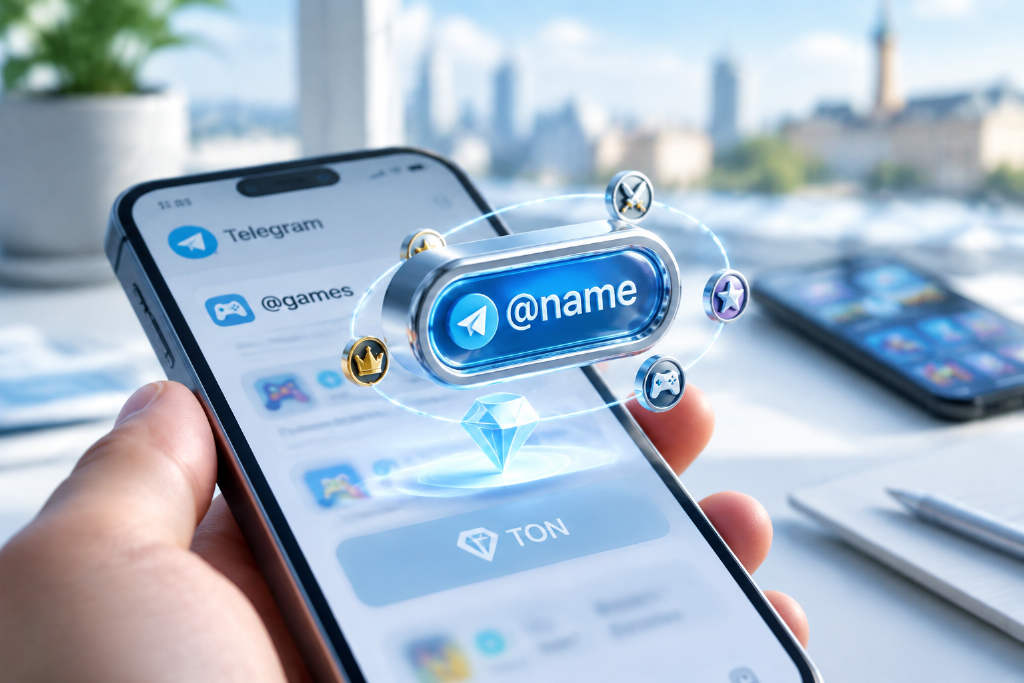
@games2026-09-29 19:14:56@games launches Games Names, a decentralized naming service on TONGaming platform @games has introduced Games Names on The Open Network, or TON, adding a decentralized naming layer built around NFT-based usernames. Under the new service, each username is minted as an NFT that users can hold, transfer, or sell. The starting price is 1 GRAM, and the names do not require renewal fees. According to the announcement, each name also serves as the base for a shared gaming profile designed to collect achievements across multiple games. Those achievements are recorded on-chain through soulbound tokens, or SBTs, and tied to the NFT name itself. If the name is moved to a new wallet, the full achievement history moves with it. @games describes itself as a global gaming platform developed around the Telegram ecosystem. Users can mint a game name through the @games account on Telegram or via the id.game website. The update was reported by BeInCrypto and cited by Techub News.200
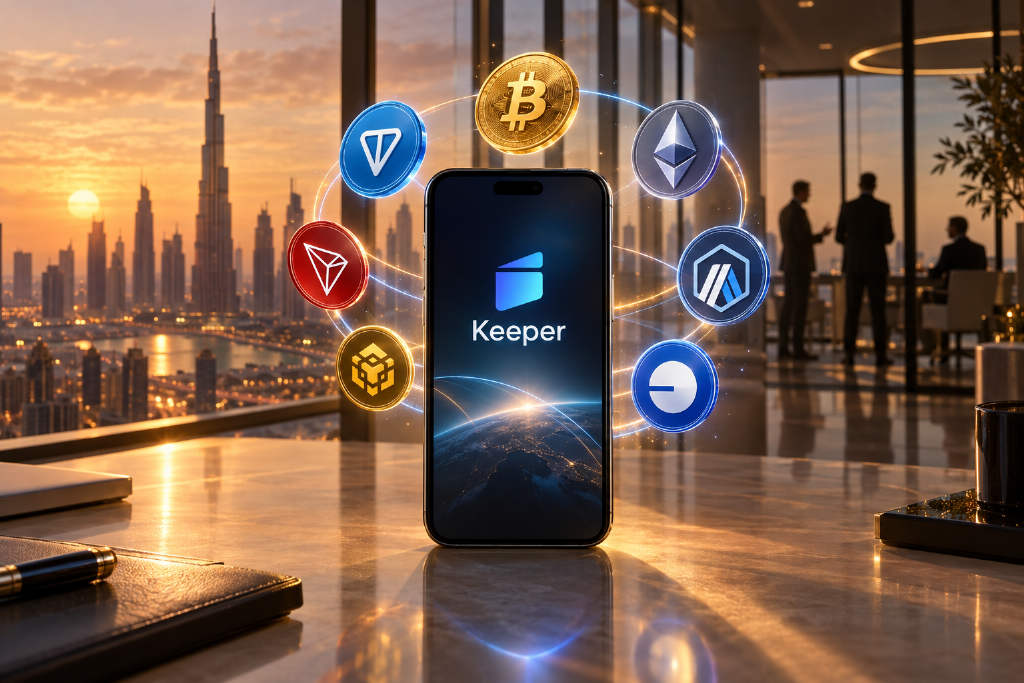
Keeper2026-09-15 10:36:06Tonkeeper rebrands to Keeper and expands from TON wallet to seven-chain productTonkeeper, a self-custodial wallet from the TON ecosystem, has rebranded as Keeper and broadened its product from a single-chain TON wallet into a multichain wallet supporting seven blockchain networks. In a statement shared exclusively with The Block, the company said Keeper now supports TON, Bitcoin, Ethereum, TRON, BNB Smart Chain, Arbitrum and Base. Tonkeeper describes itself as the largest self-custodial wallet in the TON ecosystem, with more than 77 million registered users. The rebrand comes after a management change. The Open Platform took over operational leadership of the wallet last month, while co-founders Oleg Andreev and Oleg Illarionov remain shareholders. Andrew Rogozov, founder and CEO of The Open Platform, said Keeper represents the team’s next chapter, with an aim to bring its simple wallet experience beyond TON and make it a default self-custodial wallet for a multichain crypto economy. The company also said Keeper includes Battery, a gasless transaction infrastructure that lets users pay network fees without holding each chain’s native gas token, and it plans to extend that system to all supported networks over the next year alongside new DeFi, payments, cross-chain swap and perpetual trading features.660
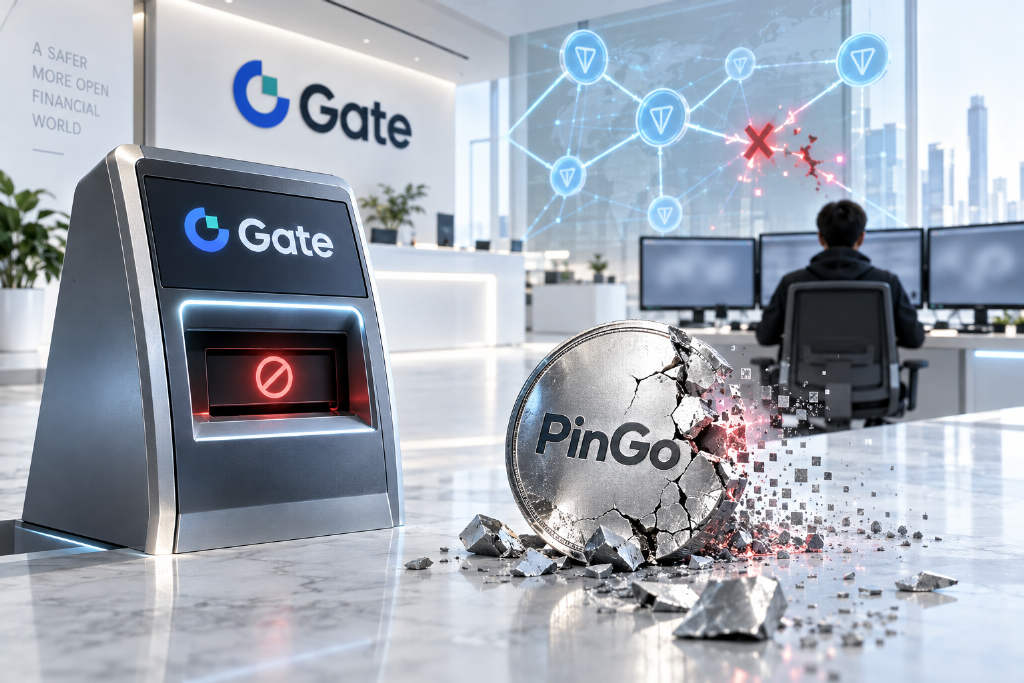
PinGo2026-09-09 09:43:35PinGo says it was hit by another attack as Gate pauses PINGO depositsPinGo, a DePIN project on The Open Network (TON), said it has been hit by another network attack, according to an official statement cited by ChainCatcher. The team said the attacker has already sold part of the tokens involved in the incident. PinGo added that it has completed the consolidation of on-chain assets and is actively handling the security event. At the same time, Gate has temporarily suspended deposits for the PinGo token, PINGO. The team said it will continue to disclose follow-up information as the incident develops. Following the event, PINGO briefly posted a gain of as much as 70% and was last quoted at $0.03. No further details about the attack were disclosed in the statement provided in the news digest.820
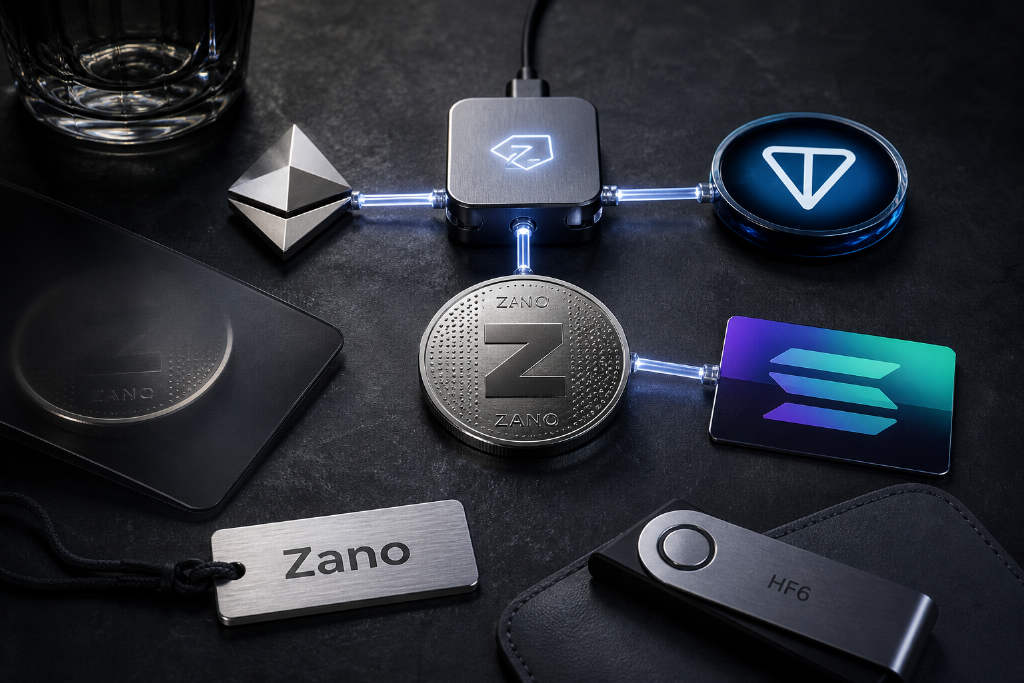
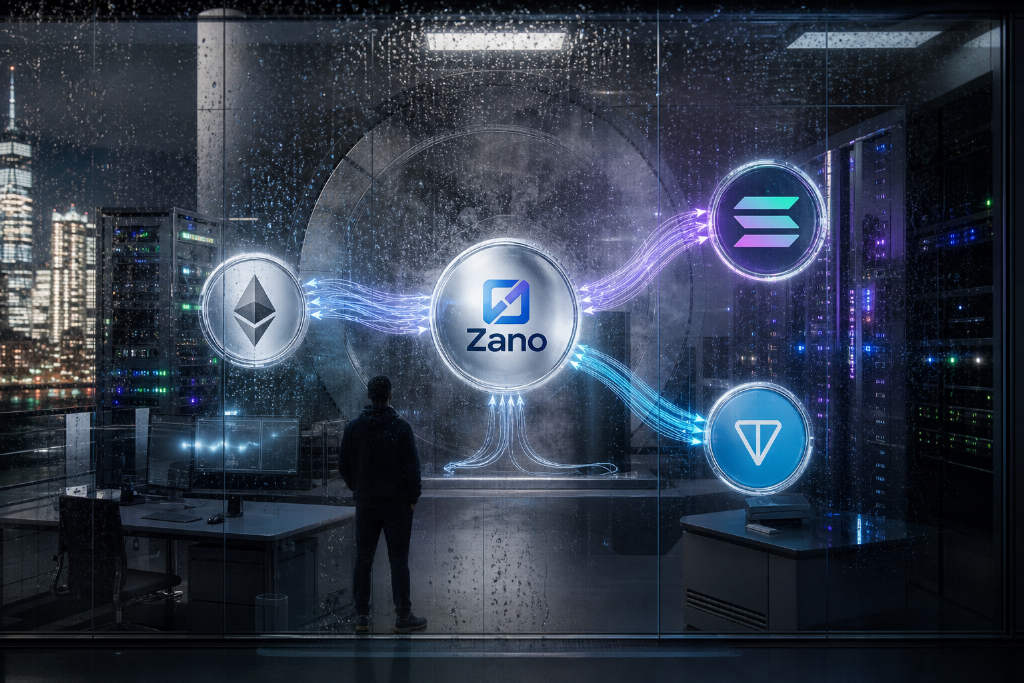
Zano2026-08-31 19:44:43Zano activates sixth hard fork, enabling non-custodial native ZANO transfers to Ethereum, Solana and TONPrivacy blockchain Zano activated its sixth hard fork, HF6, on Aug. 31 at block height 3,833,000, with the upgrade now live on mainnet. The release marks the largest upgrade in the network’s seven-year history. HF6 adds Gateway Addresses, a feature designed to give centralized exchanges, decentralized exchanges and cross-chain bridges a directly traceable single balance with instant synchronization, while keeping existing addresses and their privacy model intact. Following the upgrade, native ZANO can now move in a non-custodial way to Ethereum, Solana and TON. Zano said assets are public on those external networks and regain privacy protection once bridged back to Zano. The upgrade also tightens consensus validation rules and strengthens wallet encryption, mining pool fault tolerance, payment IDs, anti-DoS limits, SOCKS5 proxy support and RPC interfaces. According to Bitcoin.com News, HF6 is also a prerequisite for the Zano Execution Layer, an EVM-compatible chain under development that does not yet have a fixed launch date. Zano’s next-generation consensus protocol, Zenith, is listed on its 2027 roadmap.880
Zano2026-08-31 19:45:52Zano activates HF6 at block 3,833,000, enabling native cross-chain transfers to Ethereum, Solana and TONPrivacy-focused blockchain Zano has activated its sixth hard fork, HF6, at block height 3,833,000, with the upgrade now live on mainnet. The network described it as the largest upgrade in its seven-year history. HF6 introduces Gateway Addresses, a feature designed for centralized exchanges, DEXs and cross-chain bridges that offers a directly traceable single balance and instant synchronization while keeping existing addresses and their privacy model unchanged. The upgrade also allows native ZANO to move in a non-custodial manner to Ethereum, Solana and TON. Once on those external networks, the asset is public; when bridged back to Zano, its privacy protections return. Beyond cross-chain changes, HF6 tightens consensus validation rules and strengthens wallet encryption, mining pool fault tolerance, payment IDs, anti-DoS limits, SOCKS5 proxy support and RPC interfaces. HF6 is also described as a prerequisite for the Zano Execution Layer, an EVM-compatible chain still under development with no fixed launch date. Zano’s next-generation consensus protocol, Zenith, has been placed on the project’s 2027 roadmap.930
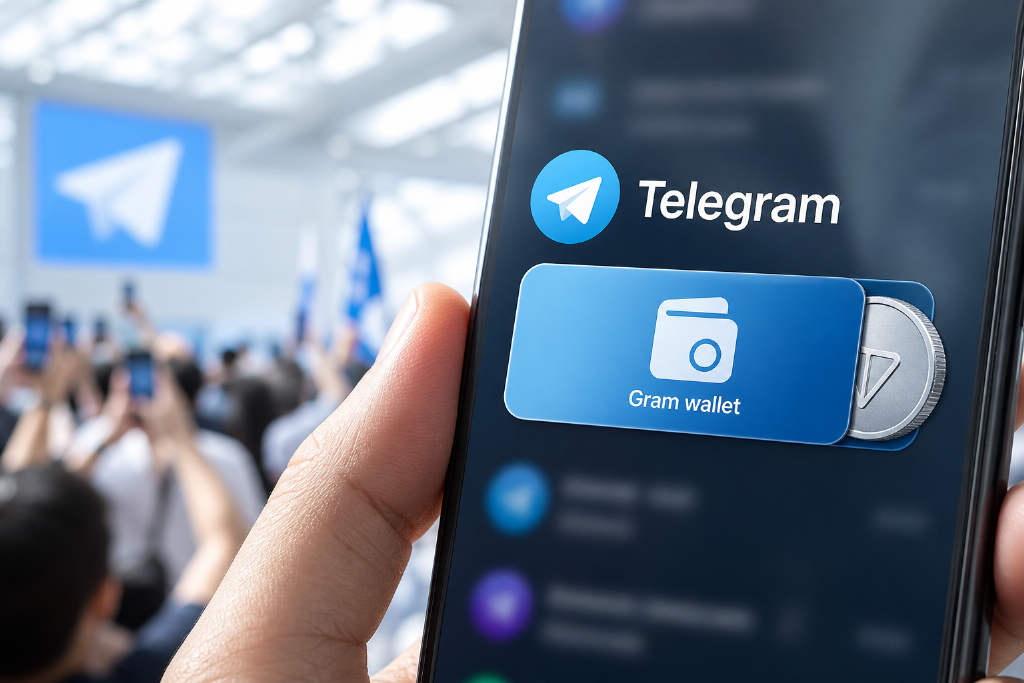
Telegram2026-08-31 17:05:07Telegram starts rolling out built-in Gram wallet to a small user group, eyes 1 billion-plus reachTelegram founder Pavel Durov said on Aug. 31 that the built-in Gram wallet inside Telegram is ready and has begun rolling out to a small group of users, with a wider release planned over the coming weeks to the platform’s more than 1 billion users. The launch moves the product from July’s "summer launch" preview into an active deployment phase. Durov also highlighted a technical feature tied to the wallet’s smart contracts: because the contracts backing the wallet have been approved by validators, future upgrades will not require what he called a "painful migration." According to Telegram’s previously disclosed design, the wallet is non-custodial, users hold their own 24-word recovery phrase and private keys, and the product runs on the MyTonWallet engine. It is built directly into Telegram’s main app rather than being offered as a separate app or bot. The token name Gram refers to TON’s native token, renamed from Toncoin by Durov in June, reviving the branding that Telegram had dropped during its earlier SEC lawsuit period in 2019 and 2020.740
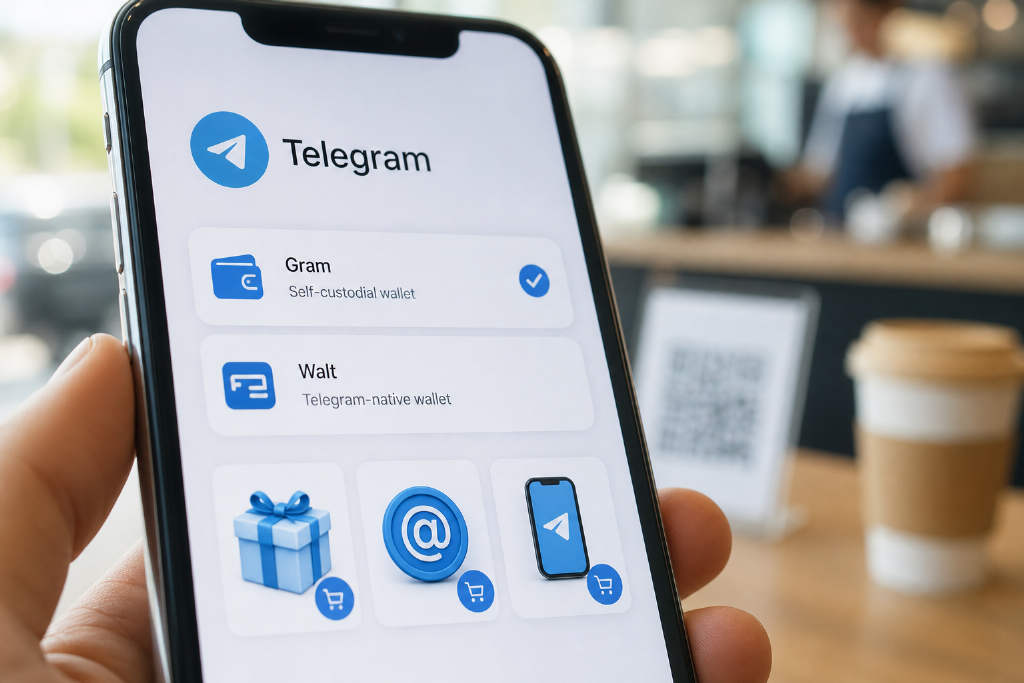
Telegram2026-08-31 16:46:26Telegram sets Gram as default wallet and renames Wallet in Telegram to WaltTelegram has made its self-custodial Gram wallet the default wallet in user settings and renamed Wallet in Telegram to Walt. The move follows an earlier preview by Telegram founder Pavel Durov in July, when he said the company planned to introduce a native non-custodial wallet across every Telegram app. Gram is positioned as Telegram’s transaction layer for transfers and payments, with support for buying Telegram Collectibles such as gifts, usernames and phone numbers, as well as paying for services and everyday purchases. Walt remains connected to Gram and lets users top up the wallet with multi-chain crypto assets. The rebrand also signals that the former Wallet in Telegram now covers a broader set of services than its original role, which was mainly tied to buying and holding Gram, formerly known as Toncoin. According to the details provided, Walt supports deposits, holdings and withdrawals for more than 300 crypto assets across four blockchains, trading for more than 200 assets, and offers over 100 tokenized stocks, ETFs and metals, along with crypto yield products and perpetual contracts.820
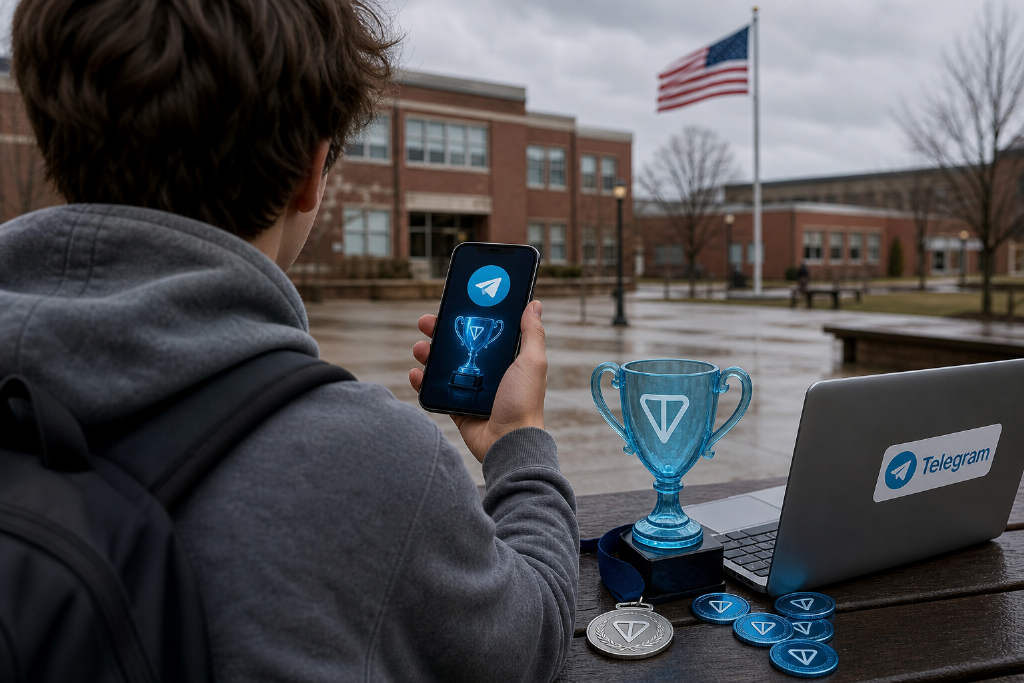
GRAM2026-08-30 11:26:59US High School Student Sells Telegram Algorithm Cup NFT for 15,000 GRAM (≈ $20,400)According to BeInCrypto, an American high school student has sold the Telegram Algorithm Cup NFT he earned at the International Olympiad in Informatics for 15,000 GRAM tokens, worth roughly $20,400 at the time of the transaction. That price is about 40 times Telegram’s official estimate for the average trophy value, which the company has put at approximately $500. Telegram had previously said the trophy was worth around $500 on average, putting the final sale far above its benchmark. Telegram founder Pavel Durov mentioned the sale on his channel and encouraged other winners to use the proceeds to start businesses. He recalled that $20,000 would have been enough to found his first company, VKontakte, two decades ago. The transaction, settled entirely in GRAM, was held up by Durov as an example of what competition winners can earn. The Algorithm Cup is a digital collectible on the TON blockchain, given to 235 medalists as part of the competition’s prize package. GRAM, renamed from Toncoin in June, traded at about $1.36 at the time. The deal put the 15,000-token payment just past the $20,000 mark.870