From beginner to advanced — master exchanges, wallets and blockchain essentials
How to check a Bitcoin transaction: use a block explorer with a TXID, address, or block details to verify status, confirmations, inputs, outputs, and fees.
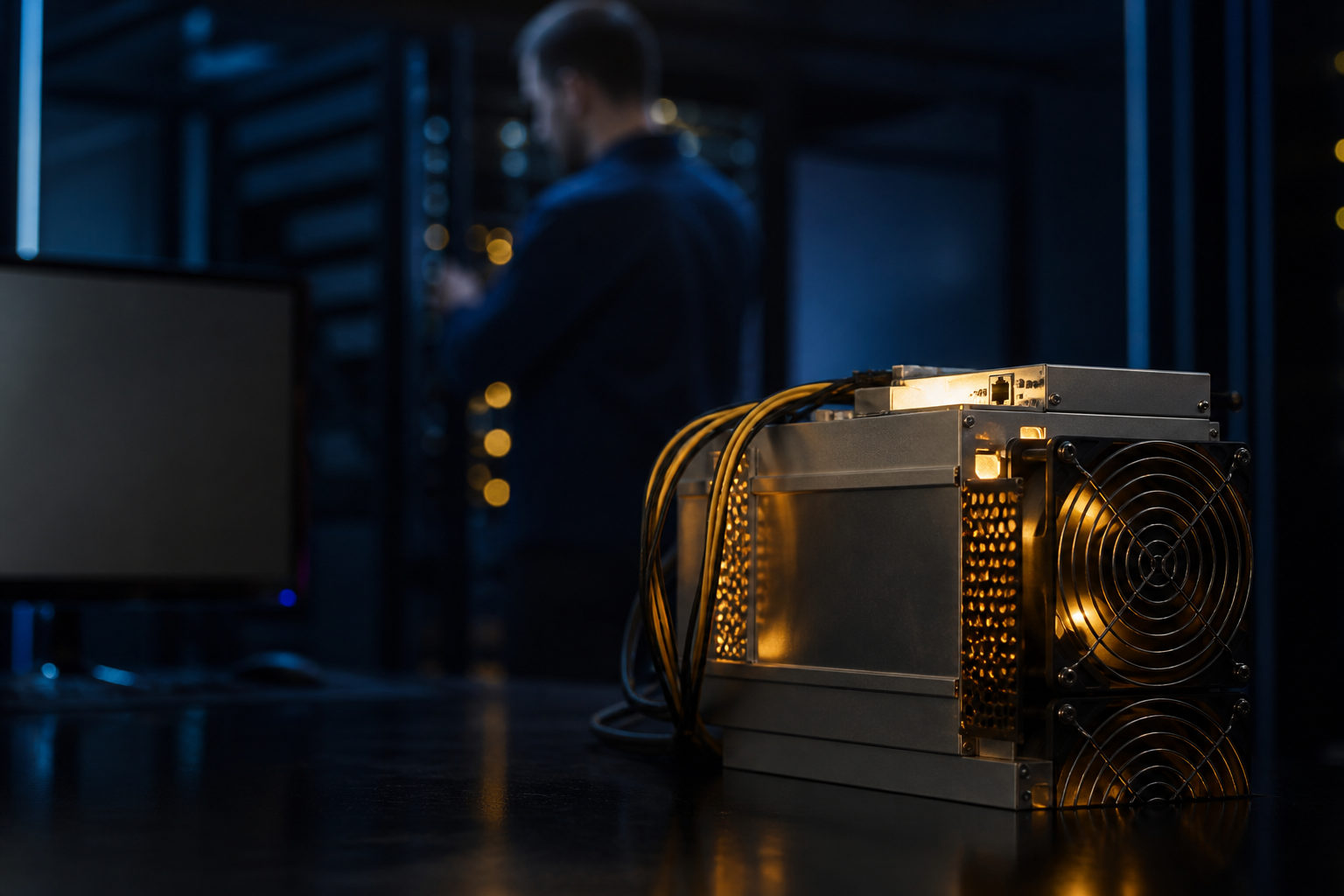
To check for bitcoin miners, first decide whether you want to identify block producers on-chain or inspect whether a device is actually mining.
To see if you have a bitcoin miner, check the device type, background processes, mining pool connections, wallet payouts, and power or heat patterns.
A chart of the value of bitcoin shows far more than a live quote. It helps you read trend, volatility, and market behavior in context.
To get cheap bitcoins, focus on total cost, spreads, fees, and scam risk instead of chasing the exact bottom. Here is a step-by-step approach.
To read bitcoin charts, start with trend, volume, support and resistance, then judge candles by context instead of treating one bar as a signal.
Who is in charge of Bitcoin? No single person or company controls it. Bitcoin runs through open rules, nodes, miners, developers, and user choice.
The chance of mining a bitcoin depends on your share of network hash power, solo vs pool mining, and costs. Here’s how the odds actually work.