From beginner to advanced — master exchanges, wallets and blockchain essentials
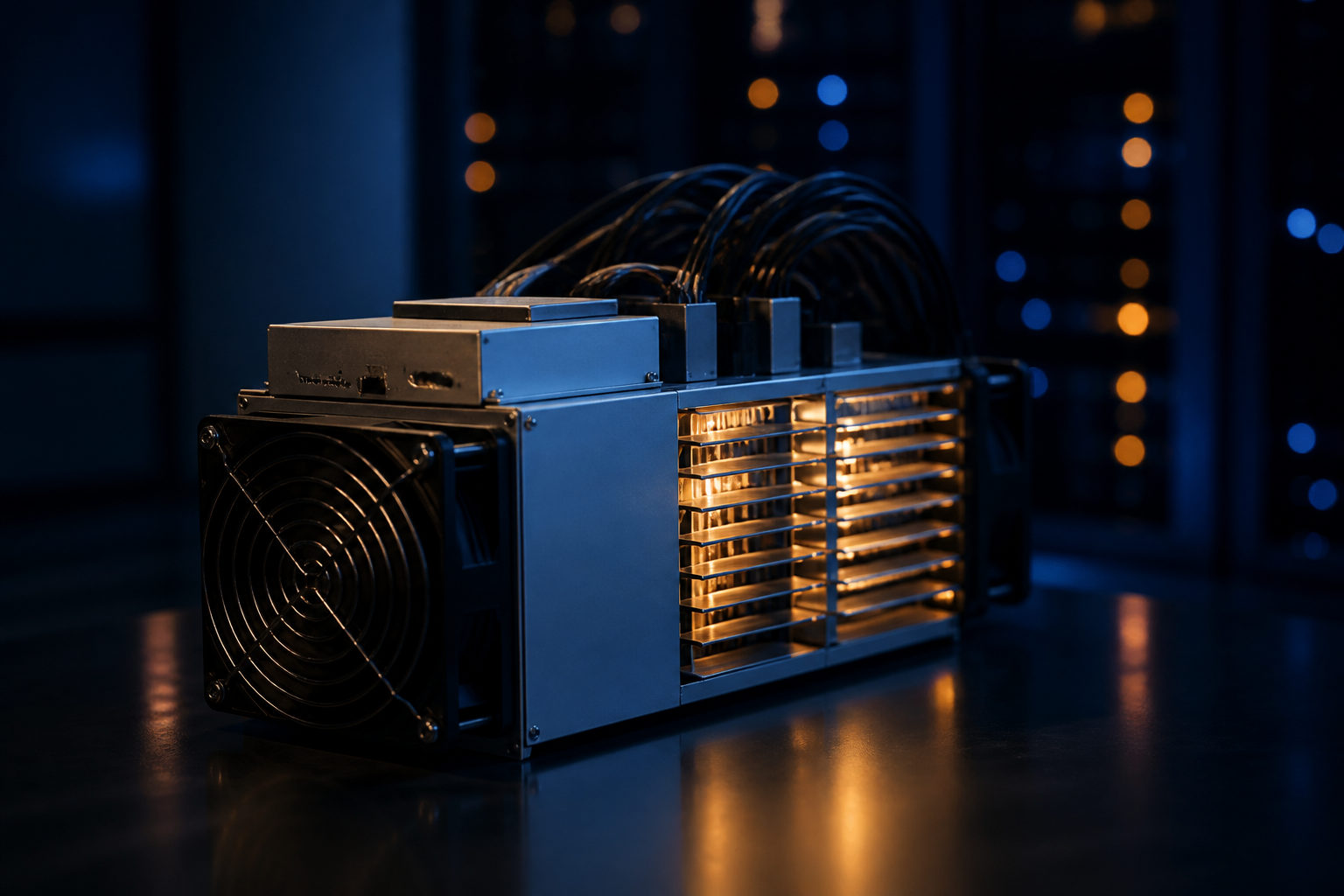
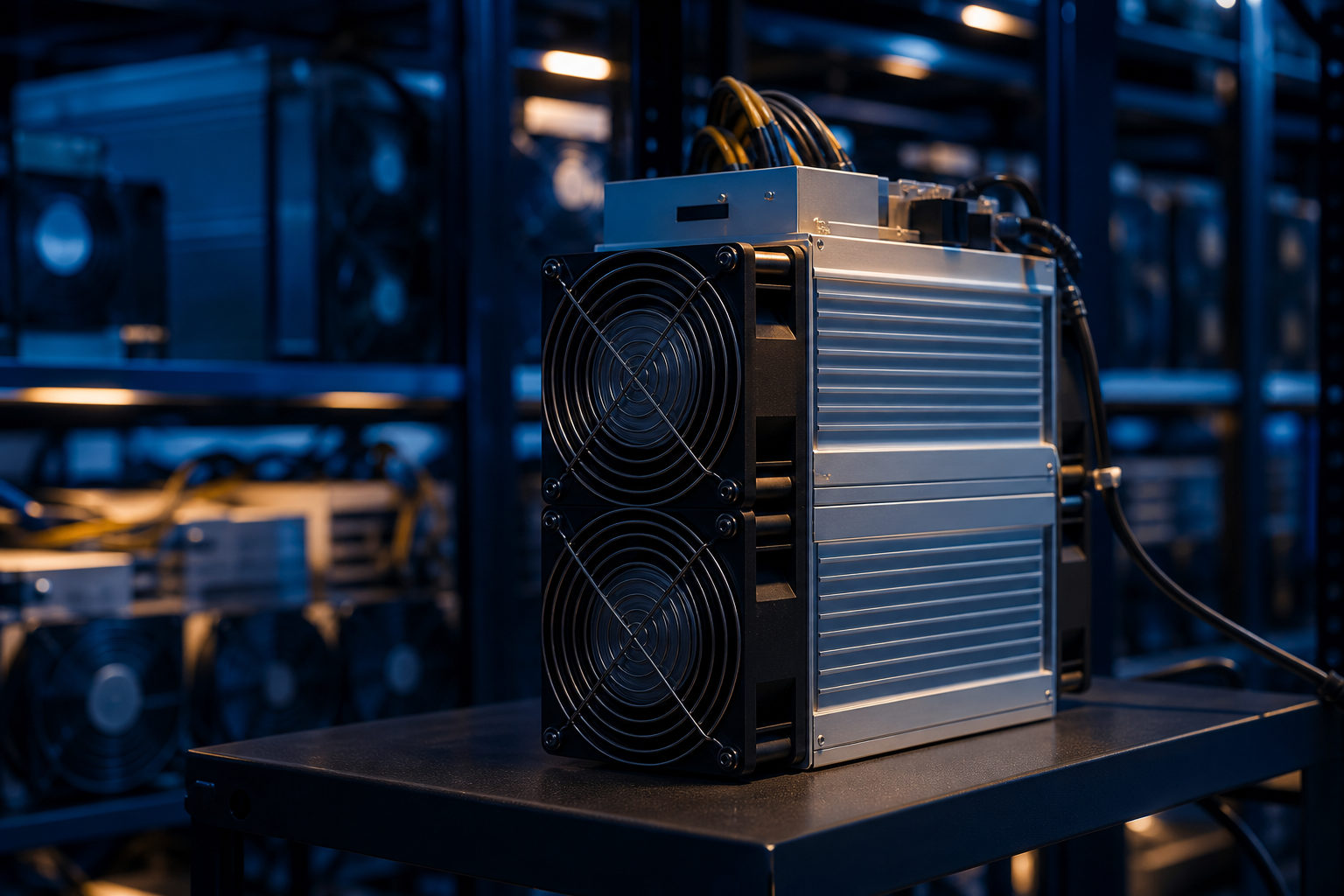
Bitcoin mining machines do work: they compete to add blocks through proof-of-work. What matters is hardware, power, cooling, and mining setup.
Bitcoin is typically mined with ASIC machines built for SHA-256, not regular PCs. Here’s how they work, why they dominate, and what miners must consider.
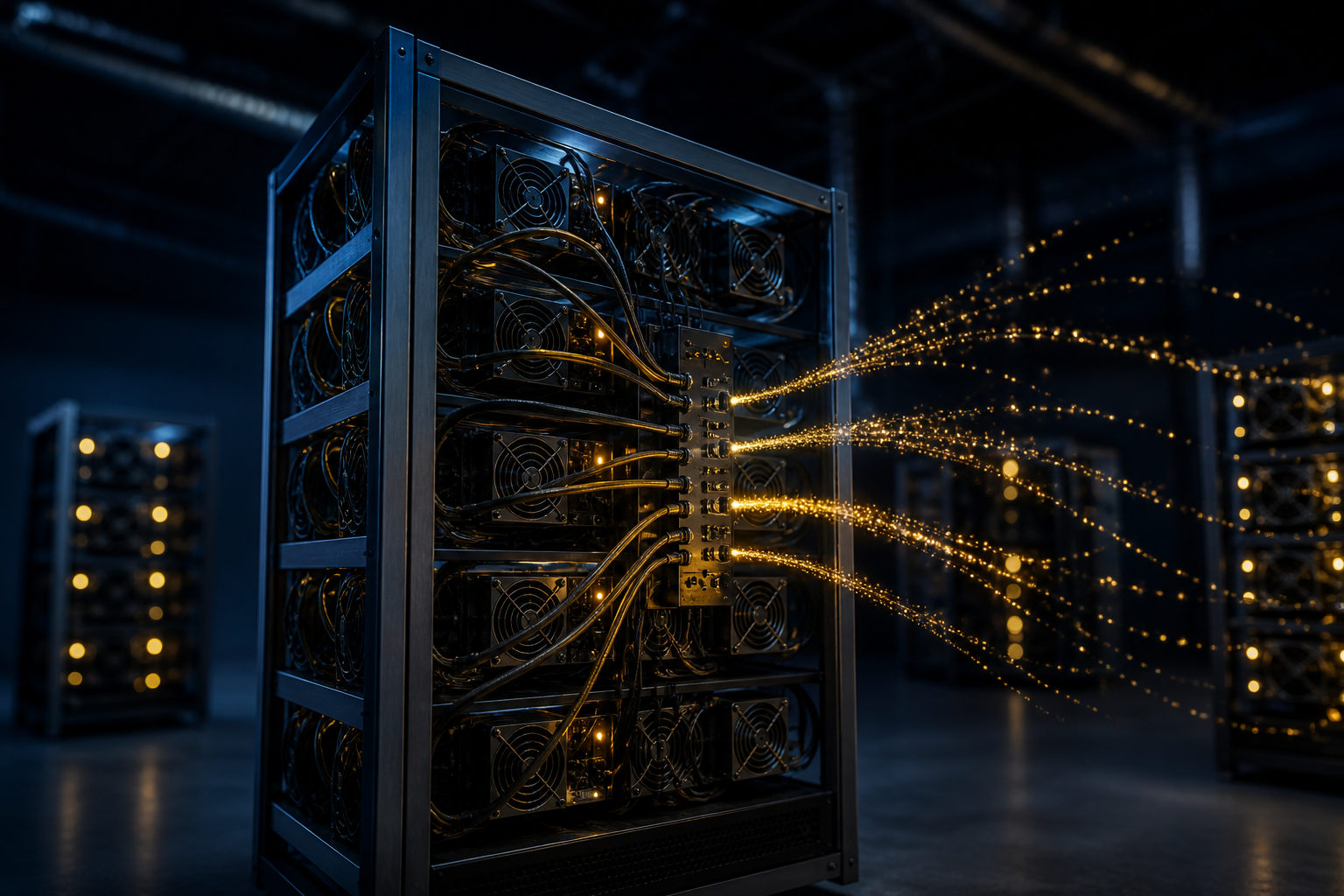
How do bitcoin mining pools work? They combine miners’ hash power, share block rewards by rule, and reduce payout volatility for participants.
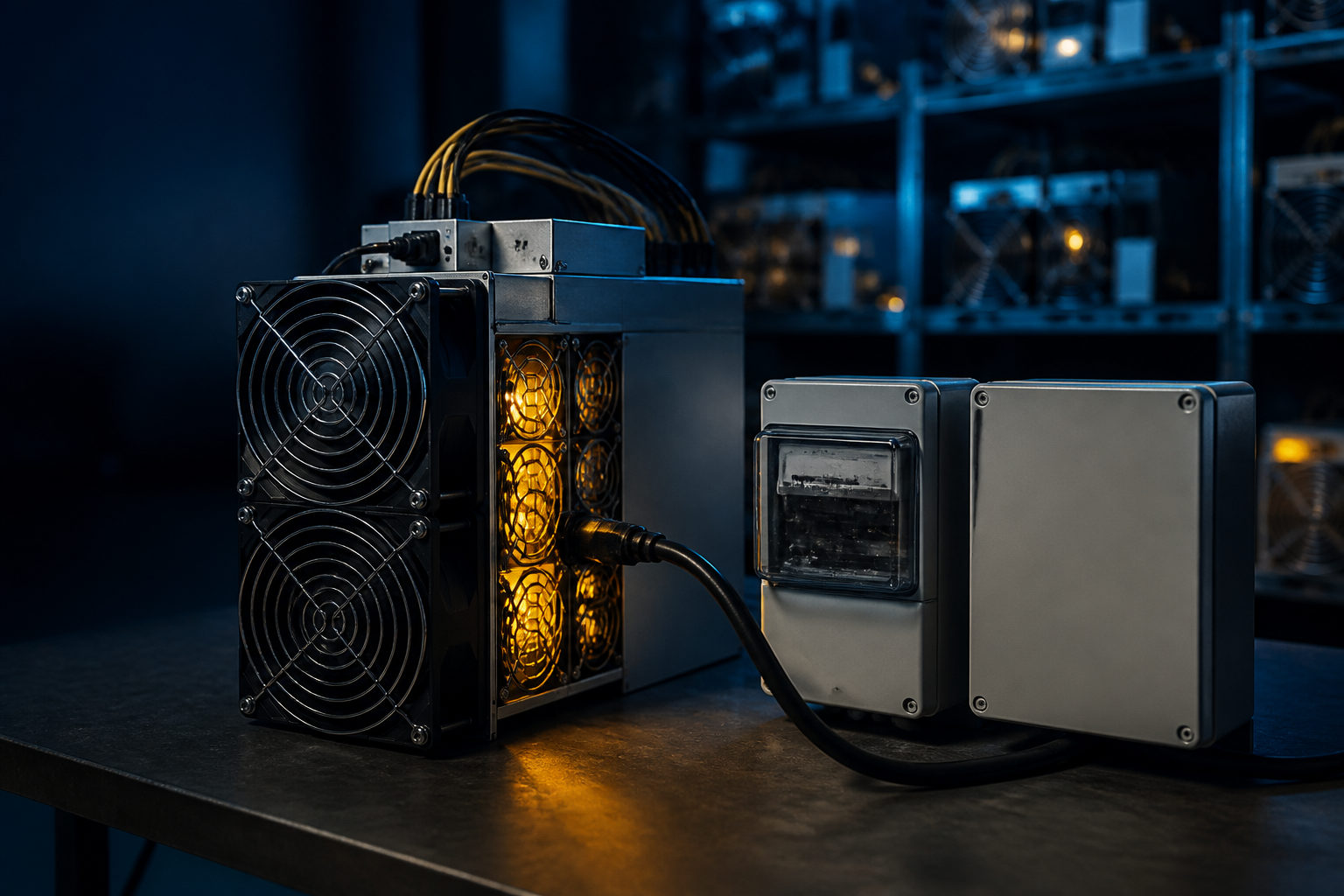
How much power do you need to mine bitcoins? It depends on your setup: machine wattage, runtime, cooling, and whether you mine at home, hosted, or via cloud
How to scan for bitcoin miners starts with one key point: you are usually identifying devices on your own network, not magically finding miners anywhere online.
There is no exact public count of bitcoin miners. The better question is how miners, mining pools, and hardware fit together and who can join.
To judge how many bitcoins MARA mines, you need the mining mechanics first: hash rate, uptime, difficulty, pool setup, and the halving cycle.
How to manually mine bitcoin: learn the block race, setup path, and why home mining usually means joining a pool, not mining solo.