From beginner to advanced — master exchanges, wallets and blockchain essentials
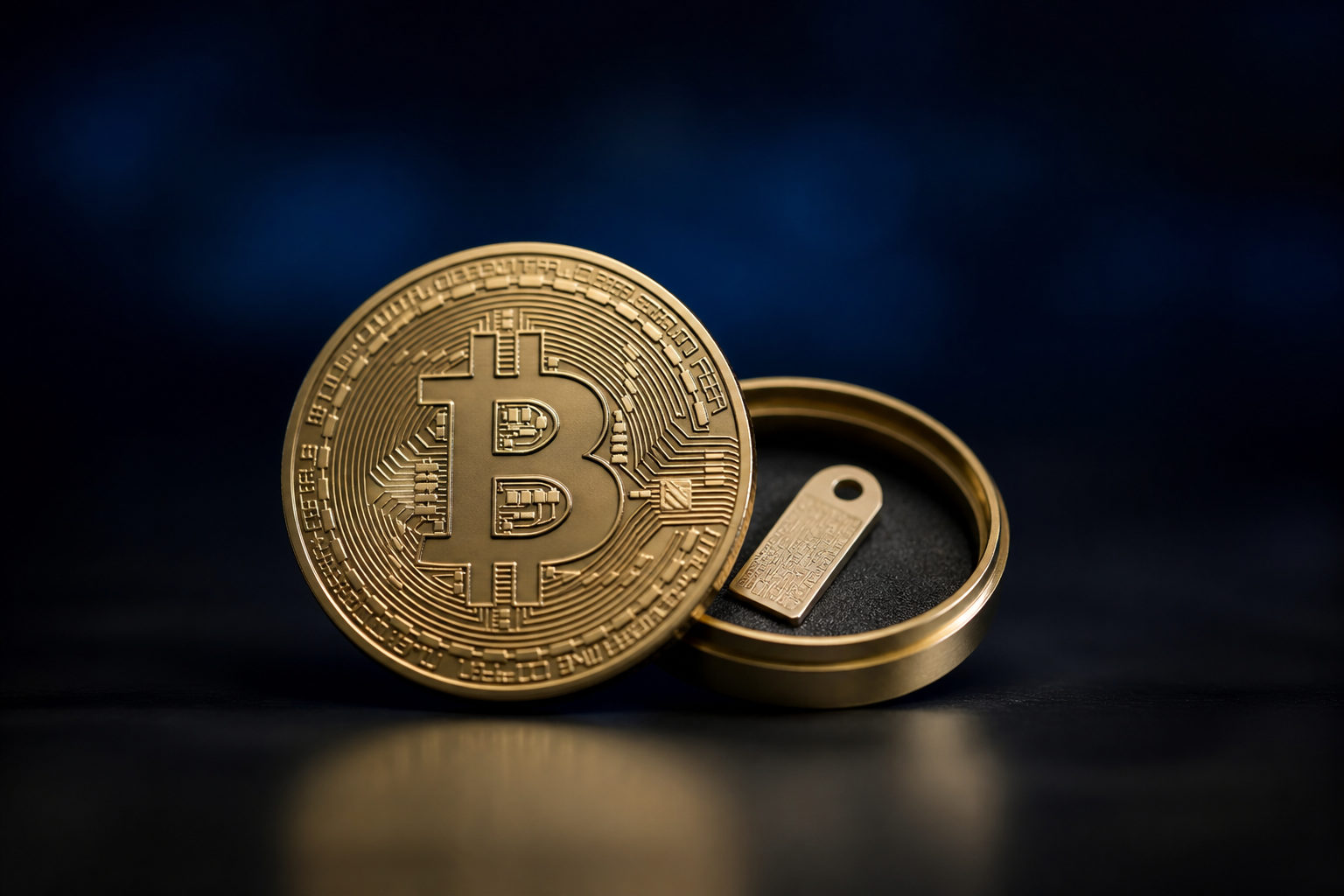
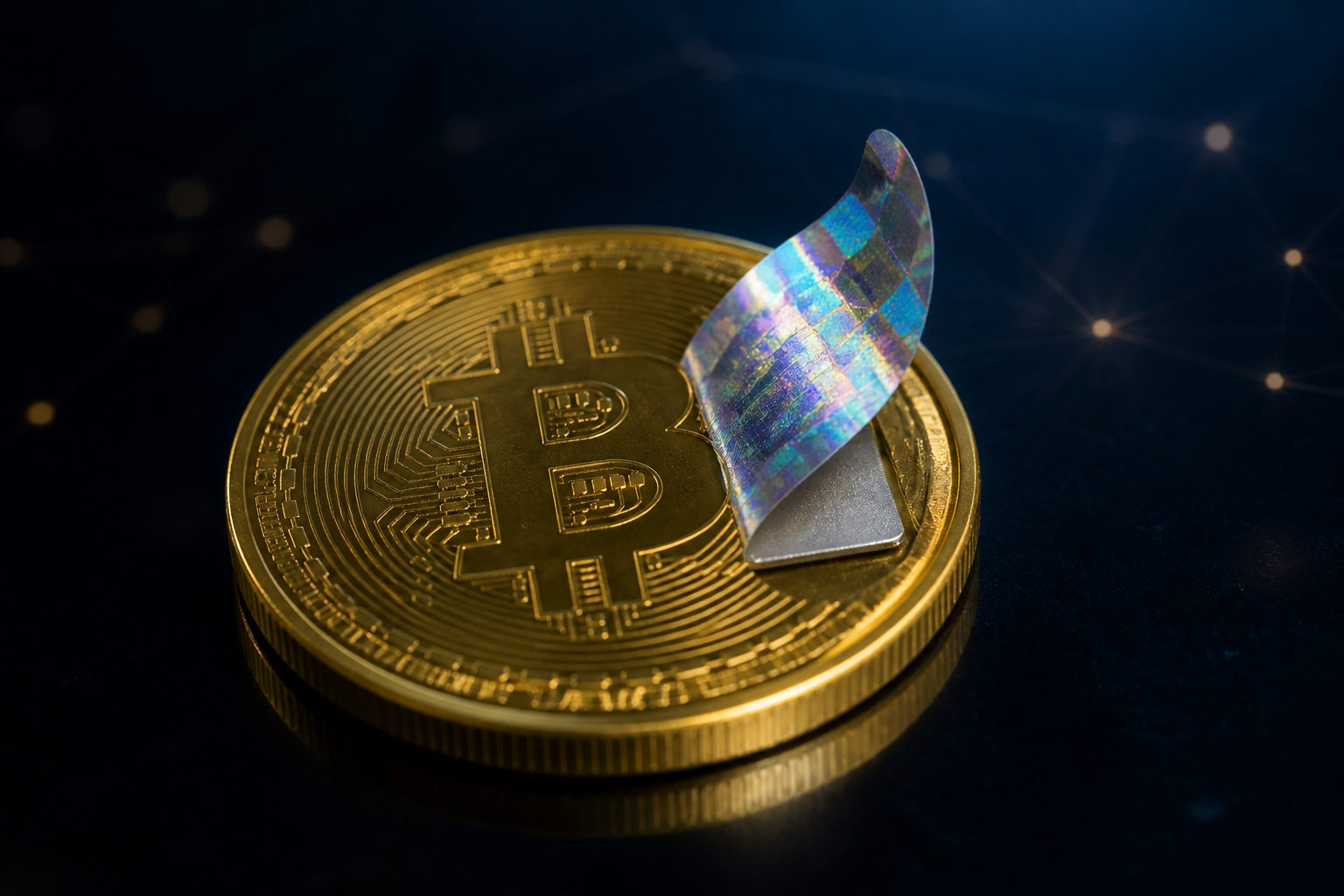
Physical bitcoins are objects that store bitcoin-related data or use BTC-themed designs. The bitcoin itself still exists only on the blockchain.
Bitcoins are not physical coins. What you own is control over blockchain funds through private keys, while physical items are usually souvenirs or key carriers.
Bitcoin has no official physical form. A bitcoin is a verifiable unit on the blockchain, controlled by private keys rather than a coin you can hold.
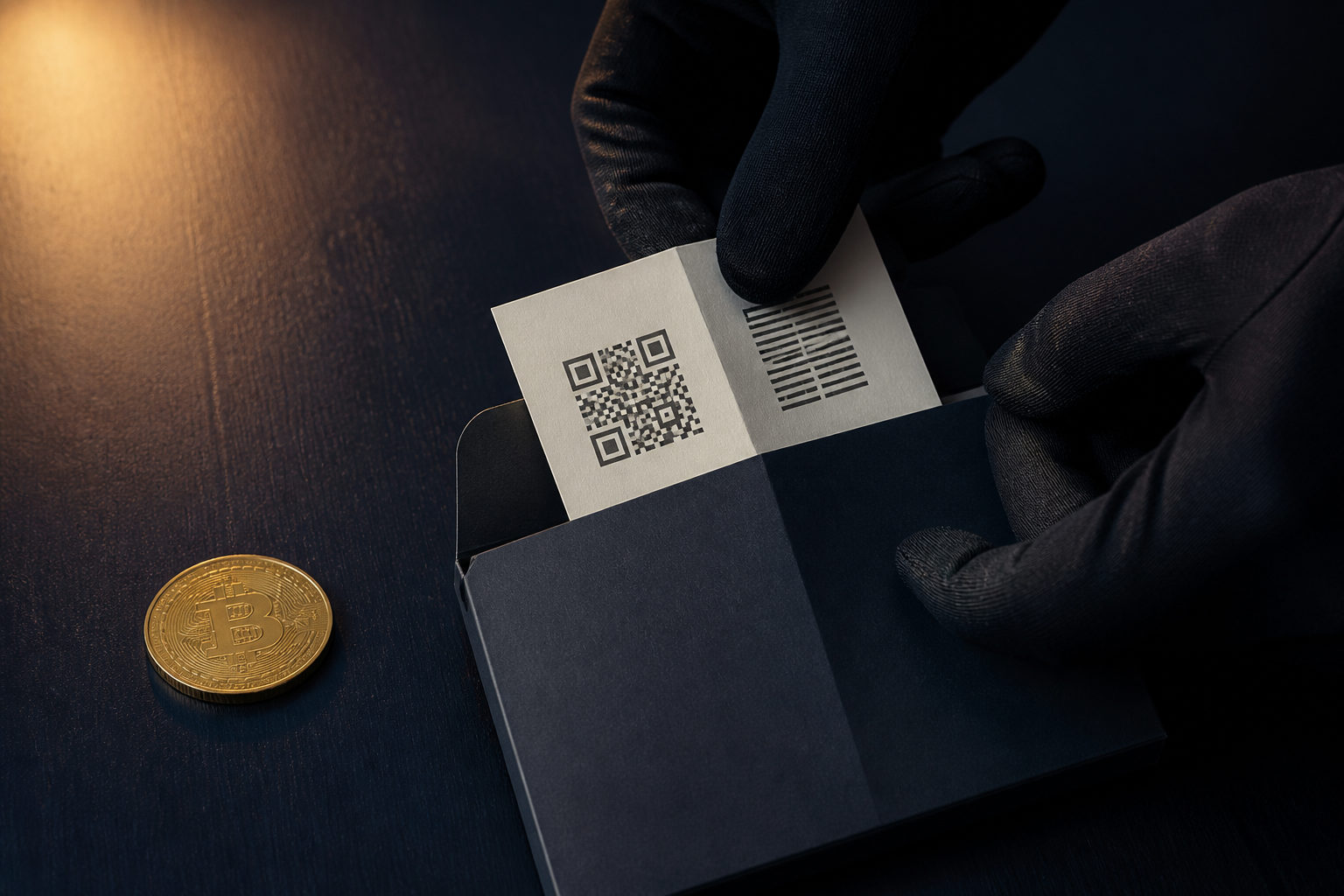
A bitcoin paper wallet stores a private key or recovery data on paper. It can be offline, but loss, exposure, and spend mistakes carry real risk.
A bitcoin paper wallet stores private key data on paper. It can reduce online exposure, but every mistake in creation, storage, and spending is on you.
Paper bitcoin means exposure to Bitcoin without direct control of on-chain BTC or private keys. The key test is who controls the keys.
Bitcoin is not physical money. It is a digital asset on a blockchain that can be transferred, divided, and used to pay for goods or services.
Physical bitcoins work by packaging a private key inside a tangible item. The bitcoin stays on-chain; the object is only a claim tool.