Bit.Fan Crypto Academy

Learn Crypto with Bit.Fan Academy

From beginner to advanced — master exchanges, wallets and blockchain essentials

transaction%20fee

What Is Bitcoin Mining? How It Works
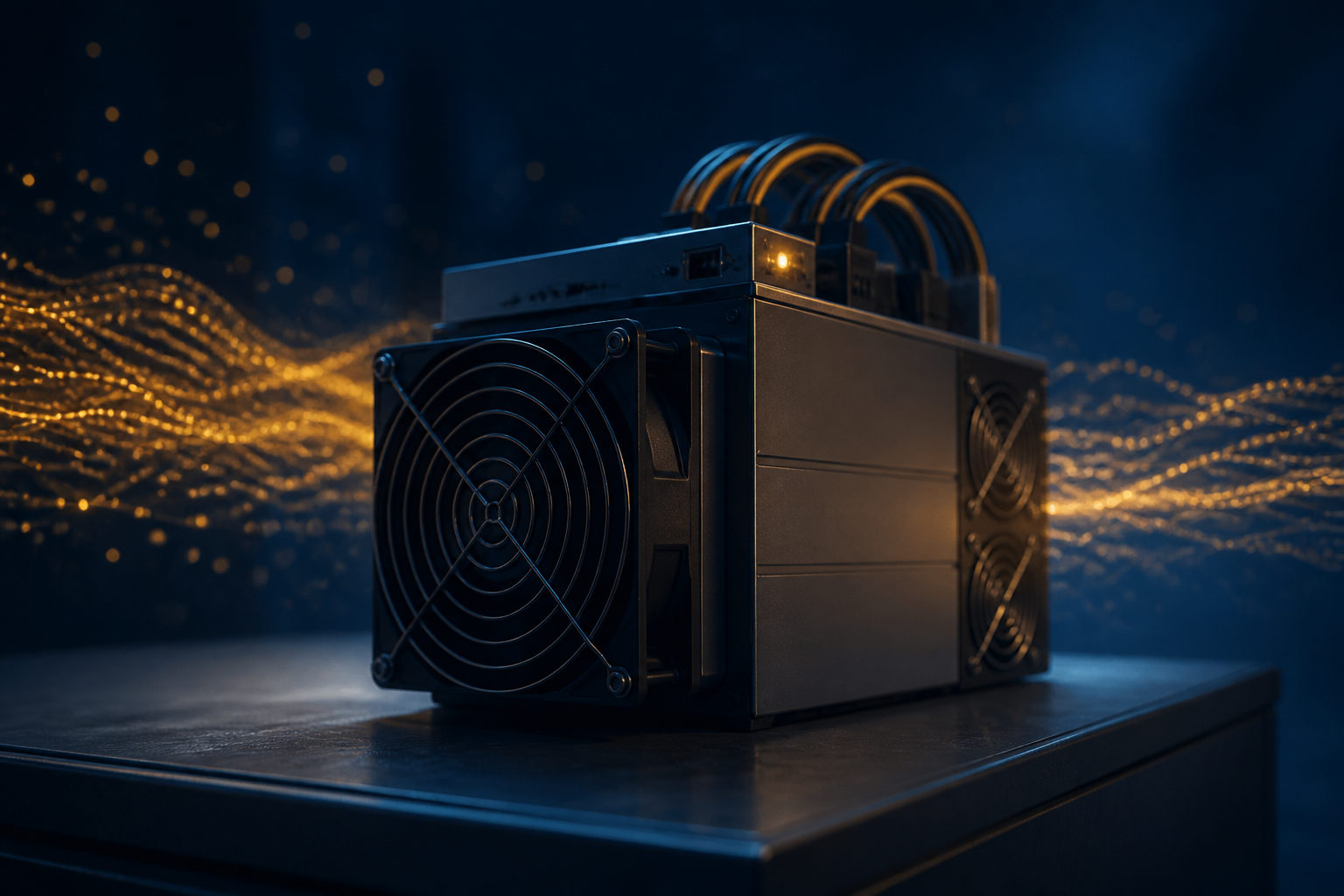
Bitcoin mining is a competition to add new blocks, confirm transactions, and secure the network—not a way of digging coins out of nowhere.

What Is Bitcoin Mining? How It Works

How Many Bitcoins Satoshi? And How Many in a Satoshi?
There is no publicly confirmed count for Satoshi Nakamoto's bitcoins. A satoshi, the unit, equals 0.00000001 BTC, and 1 bitcoin equals 100,000,000 satoshis.

How Many Bitcoins Satoshi? And How Many in a Satoshi?

When Will All Bitcoin Be Mined?
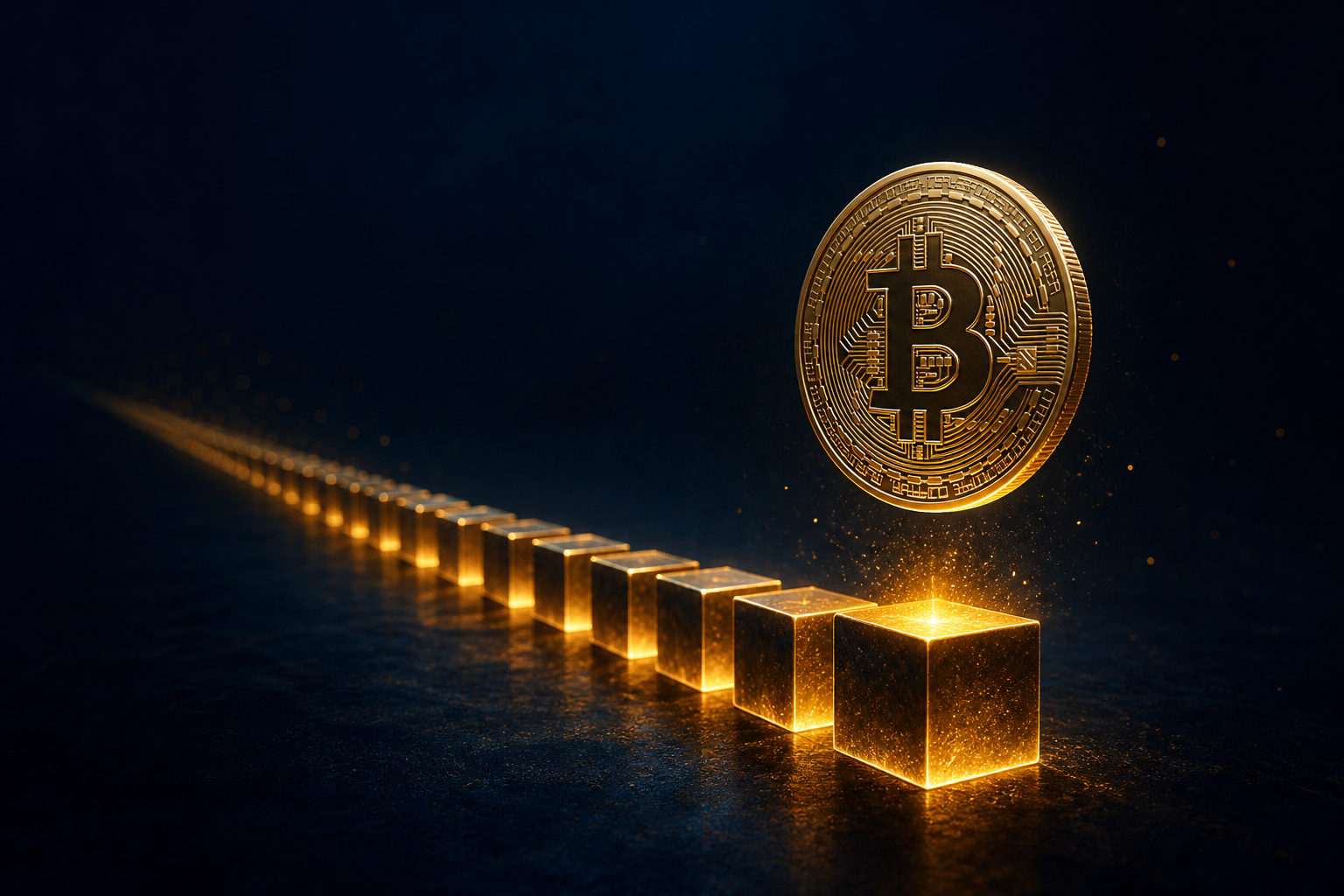
When will all Bitcoin be mined? Under Bitcoin’s fixed supply and halving schedule, the usual answer is around 2140, with issuance shrinking over time.

When Will All Bitcoin Be Mined?

How to Mine Bitcoin: Basics, Methods, and Costs
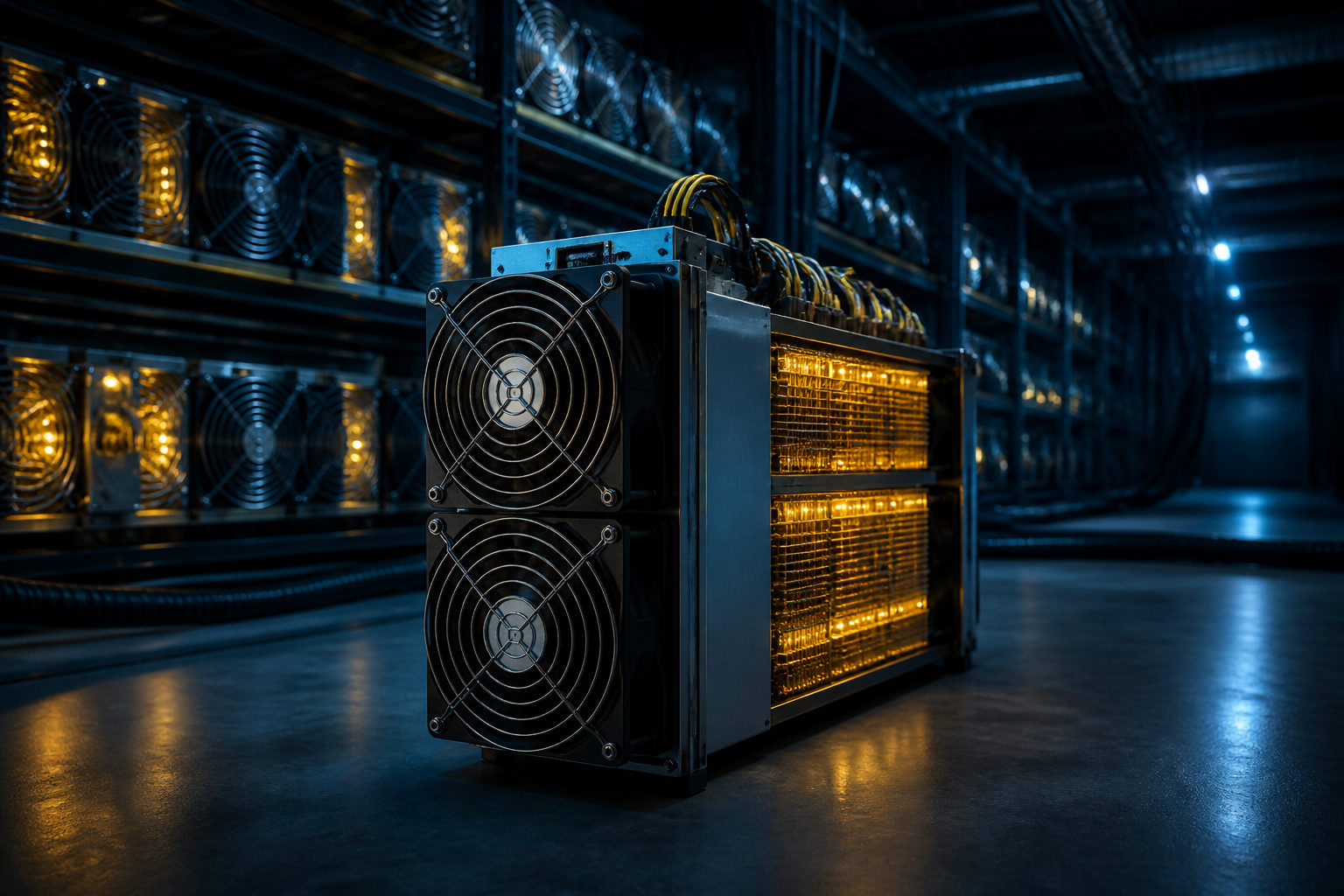
How to mine Bitcoin: you join a computing race to validate blocks. Most people need ASIC miners, a pool, and a clear view of costs and risks.

How to Mine Bitcoin: Basics, Methods, and Costs

Where to Buy Bitcoins: Your Main Options
Where buy bitcoins depends on what you want to own: actual BTC or price exposure. Start with channel type, then compare control and risk.

Where to Buy Bitcoins: Your Main Options

How Many Bitcoins Are There? The 21 Million Cap Explained

How many bitcoins are there? Bitcoin has a fixed cap of 21 million coins. Here’s how issuance, halving, and miner fees work over time.

How Many Bitcoins Are There? The 21 Million Cap Explained

How Does Bitcoin Mining Work?

How does bitcoin mining work? It is a proof-of-work race to add blocks, with miners often joining a mining pool to smooth payouts.

How Does Bitcoin Mining Work?

What Is Tokenization in Blockchain?

Tokenization is converting real-world assets or rights into digital tokens on a blockchain. These tokens represent ownership or a stake in the asset and can be easily traded or transferred within the blockchain ecosystem. This process is very important because it guarantees enhanced security, ensuring that ownership and transactions cannot be tampered with through blockchain technology. Tokenization also improves efficiency since it reduces costs and eliminates intermediaries, streamlining the transfer of assets. This process improves liquidity because tokenization enables fractional ownership, making traditionally illiquid assets like real estate or art accessible to a broader audience and easier to trade.

What Is Tokenization in Blockchain?