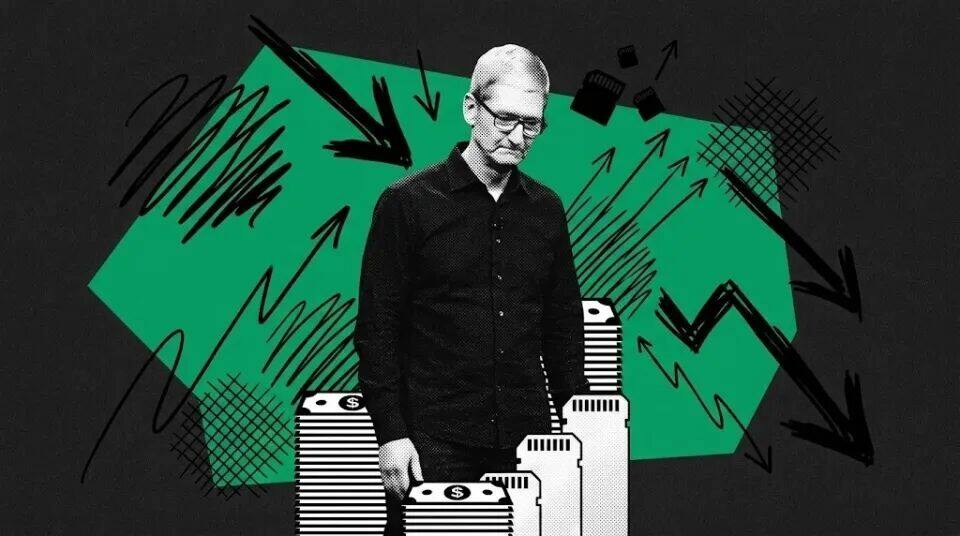
Have you ever wondered how the profit from each iPhone sold is distributed? A recent satirical post by tech blogger @BluthCapital, written in the voice of Micron's CEO, ignited a firestorm: for over a decade, Apple bought chips from Micron for $5, put them in a metal box, and sold them for $99. When Micron tried to raise the price to $7, Apple mocked them. Now, when Micron charges $50, Apple simply raises the product price by $250. The post quickly went viral, highlighting the shifting power balance between Apple and memory suppliers.
Apple Takes a Quarter of iPhone Profit, Memory Makers Get Just One-Thirtieth
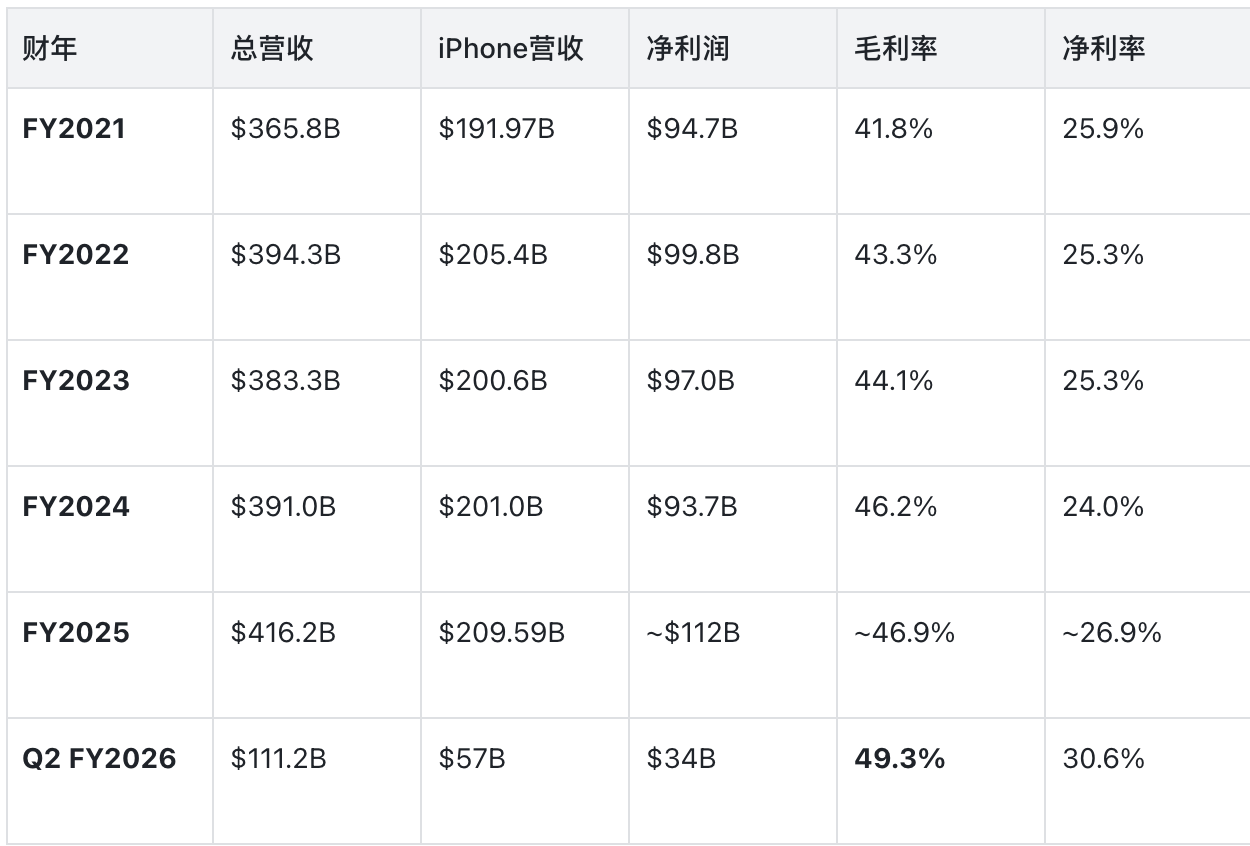
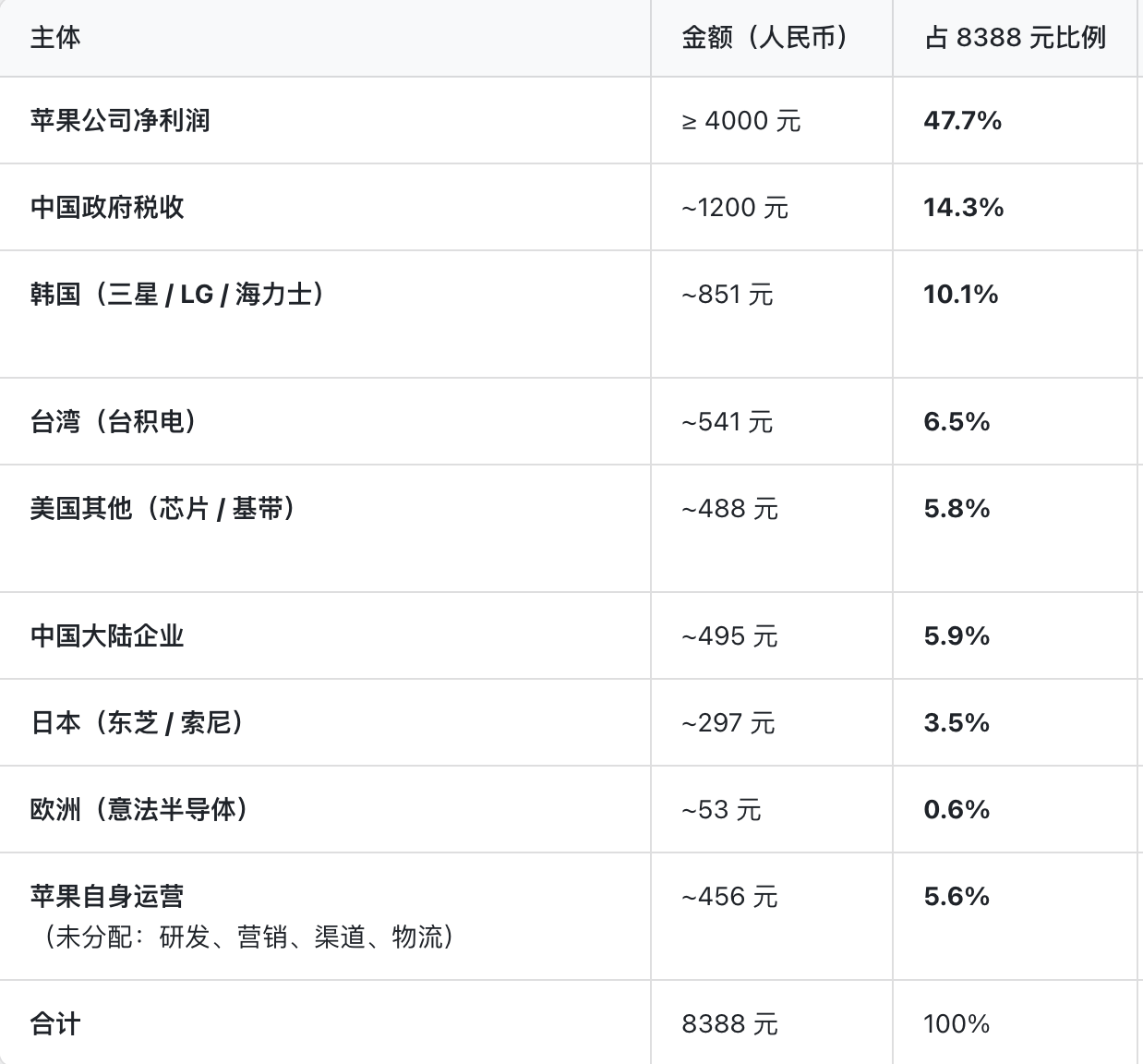
Estimates show that per iPhone sold, Apple captures approximately 25% of the profit, TSMC takes 4%-5% thanks to its monopoly position, and memory giants (Micron, Samsung, SK Hynix) claim only about 3.3% (one-thirtieth). The remainder covers other hardware suppliers, distribution channels, R&D, and taxes. According to Counterpoint, Apple has consistently taken nearly 50% of global handset operating profit. IDC data for 2025 shows Apple, with 18% market share, pocketed about 75% of total industry profit. Based on Apple's fiscal Q2 2026 results, iPhone revenue hit $57 billion with net income of $34 billion, implying about 61 million units shipped. That translates to a net profit per iPhone of $320-$340 and a net margin of 33%-36%.
Three Phases of Memory Cost: From Trivial to Critical
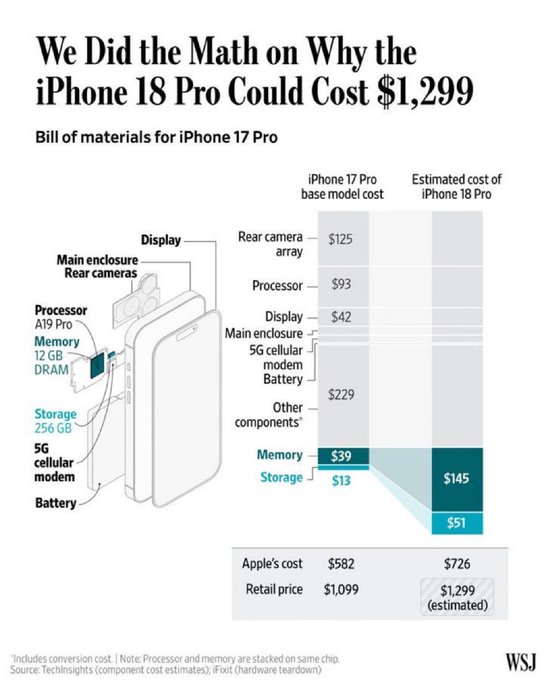
Memory costs in iPhones have evolved through three distinct eras: The iPhone X era (2017) – memory accounted for only ~2% of BOM ($2-$3 out of $99), with Apple's net margin approaching 50%. Memory was the least of Apple's concerns. The iPhone 14 Pro era (2023) – BOM rose to ~$464 (about 40% of price), but the 128GB model's memory cost remained modest, and net margin stayed around 40%. The iPhone 17 era (2025-2026) – memory has surged to 12%-15% of BOM (~$60-$80), making it a key cost component alongside the screen and processor.
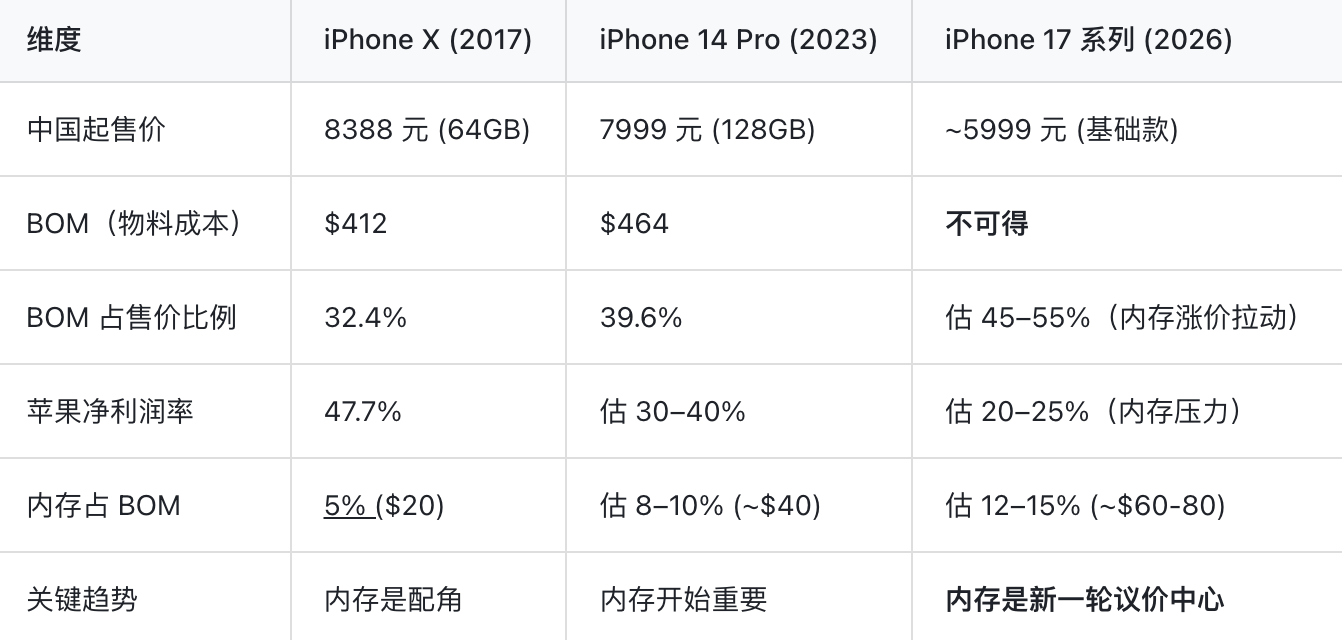
AI Demand Drives Memory Prices Soaring, Apple Forced to Hike Prices
TrendForce reports that general DRAM contract prices surged 93%-98% quarter-on-quarter in Q1 2026, and Citi projects an 88% average price increase for all of 2026. Each AI server requires 8x more DRAM and 3x more NAND than a standard server, cannibalizing supply for consumer electronics. For instance, one Nvidia Vera Rubin AI server uses the equivalent memory of approximately 14,500 MacBook Neos. Facing this pressure, Apple CEO Tim Cook first acknowledged the memory cost squeeze in a June 17 Wall Street Journal interview. But within a week, his tone shifted dramatically. On June 25, Cook called it a 'once-in-a-century flood' and announced price increases across Mac, iPad, HomePod, Apple TV, and Vision Pro. The news sent Apple stock down 6% in a single day, wiping out $263 billion in market cap – the biggest drop since April 2025. Elon Musk later tweeted his agreement, calling it 'the most violent price jump I have ever seen.'
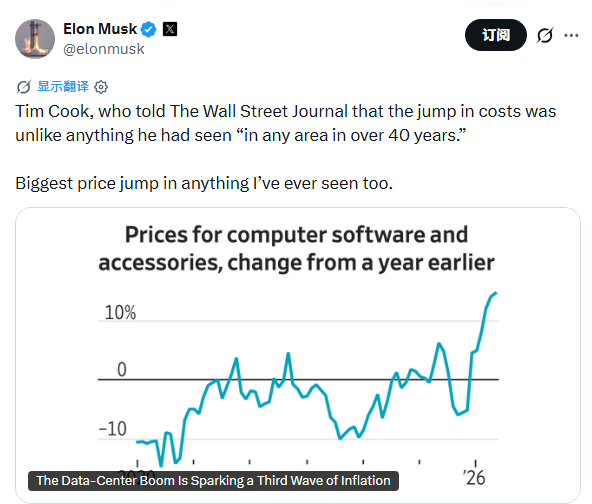
Memory Makers Turn the Tables: From Price-Takers to Price-Makers
Once the weak link in the supply chain, memory suppliers are now empowered by insatiable AI demand. Micron's Q3 FY2026 report showed a stunning 84.6% gross margin and 346% YoY revenue growth to $41.46 billion. SK Hynix has announced plans for a US IPO targeting ~$29 billion to further capitalize on the memory boom. Meanwhile, Apple is reportedly lobbying the Trump administration for approval to buy memory chips from Chinese manufacturer CXMT (ChangXin Memory Technologies) to break the Samsung-SK Hynix-Micron stranglehold. CXMT is preparing for its own IPO, and whether it can replicate the wealth-creation miracle of its peers will be known soon. In this game of 'big customer oppresses supplier' versus 'big supplier oppresses customer,' the balance has clearly tilted in favor of the memory makers.