
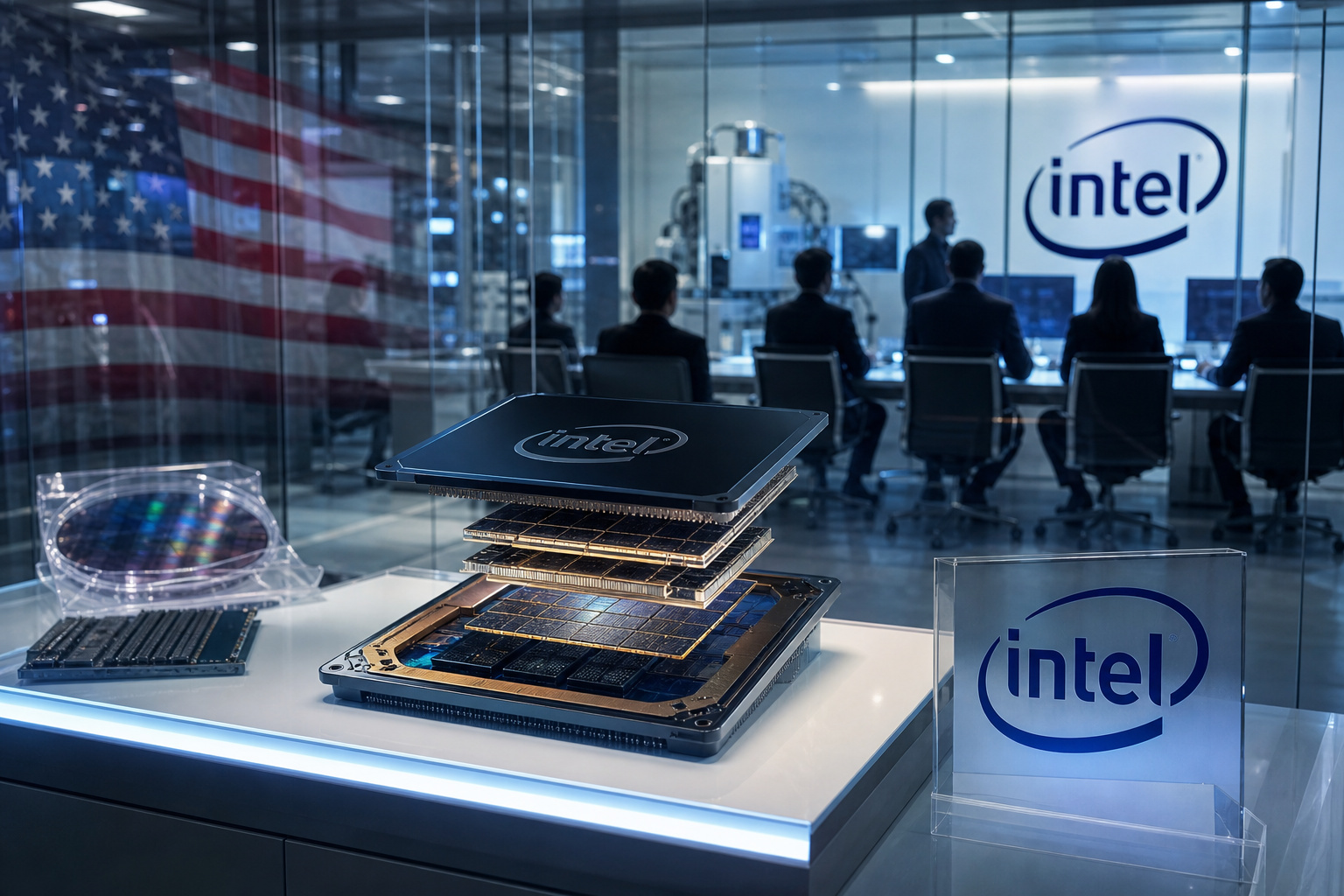
Intel CEO Chen Liwu said during the latest episode of the TechSurge podcast on Aug. 13 that the company is exploring new memory architecture built around a "stacking" relationship between CPU and memory, and revealed that he has brought in Shock Lee, a former head of SK hynix, hinting at an unannounced direction.
CPU demand and capacity
"We're very excited about Agentic AI, and the demand for CPUs is enormous," Chen said in the podcast. "I get calls from many CEOs every day; they all want more CPUs. So we have to aggressively push CPU capacity to make sure we can meet their needs. In addition, there are some new CPU architectures to respond to new requirements."
Memory architecture and a 'favorite'
"In the CPU and memory space, there are many ways we can 'stack' and cooperate, and we should also explore new memory architectures," he said. "I think memory innovation hasn't been enough to some extent, so there is real room here. I used to not invest in memory, because I thought it was a bit like a commodity business. But now things are different; a lot of new things have emerged. So we're keeping an eye on it — one of my personal favorites is researching new memory architectures."
He also said: "You probably saw the news that I've brought in my good friend Shock Lee, who used to be in charge of SK hynix. So you might guess what I'm thinking about. Although we're not ready to announce publicly, I'm always thinking in certain directions. I look at short-term, mid-term, and long-term demand."
A 10-year, 15-year commitment
Discussing how long he plans to stay, Chen said, "Usually when I join a startup, I stay for 10 years — a full 10 years. That was the case at Cadence, and at Intel it's 15 years. I also told the board that I'm not someone who only looks at the short term. I look at the future 10 or 15 years down the road — how can we build a bigger platform that truly benefits the entire industry? Being able to contribute a little bit to the industry is also quite interesting."