
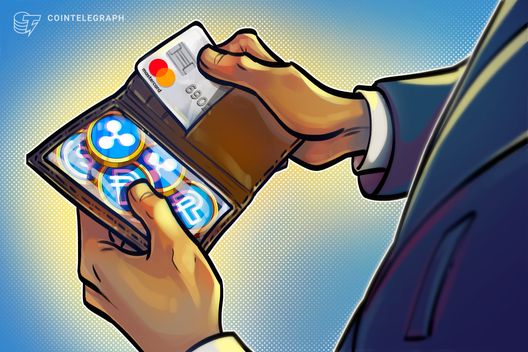
Global payments giant Mastercard has announced an expansion of its stablecoin settlement capabilities, now supporting USDC, PYUSD, RLUSD, and other stablecoins as settlement assets. The move enables these digital currencies to be used for settlement across several blockchain networks, providing global merchants and financial institutions with more flexible settlement pathways.

USDC, issued by Circle, is a widely-used dollar-pegged stablecoin; PYUSD is PayPal's digital dollar; and RLUSD is an enterprise-grade stablecoin from Ripple. According to Mastercard, the expansion aims to offer partners more efficient, low-cost cross-border payment and settlement solutions, while further integrating blockchain technology into mainstream financial operations.
Multi-Chain Deployment and Industry Implications
The settlement services will be deployed on major public blockchains including Ethereum and Solana, ensuring transaction transparency and immutability. Mastercard has been actively exploring crypto payments, having previously launched crypto reward cards and other initiatives. This latest step to include stablecoins in its settlement framework marks the company's continued push into the digital asset space.