
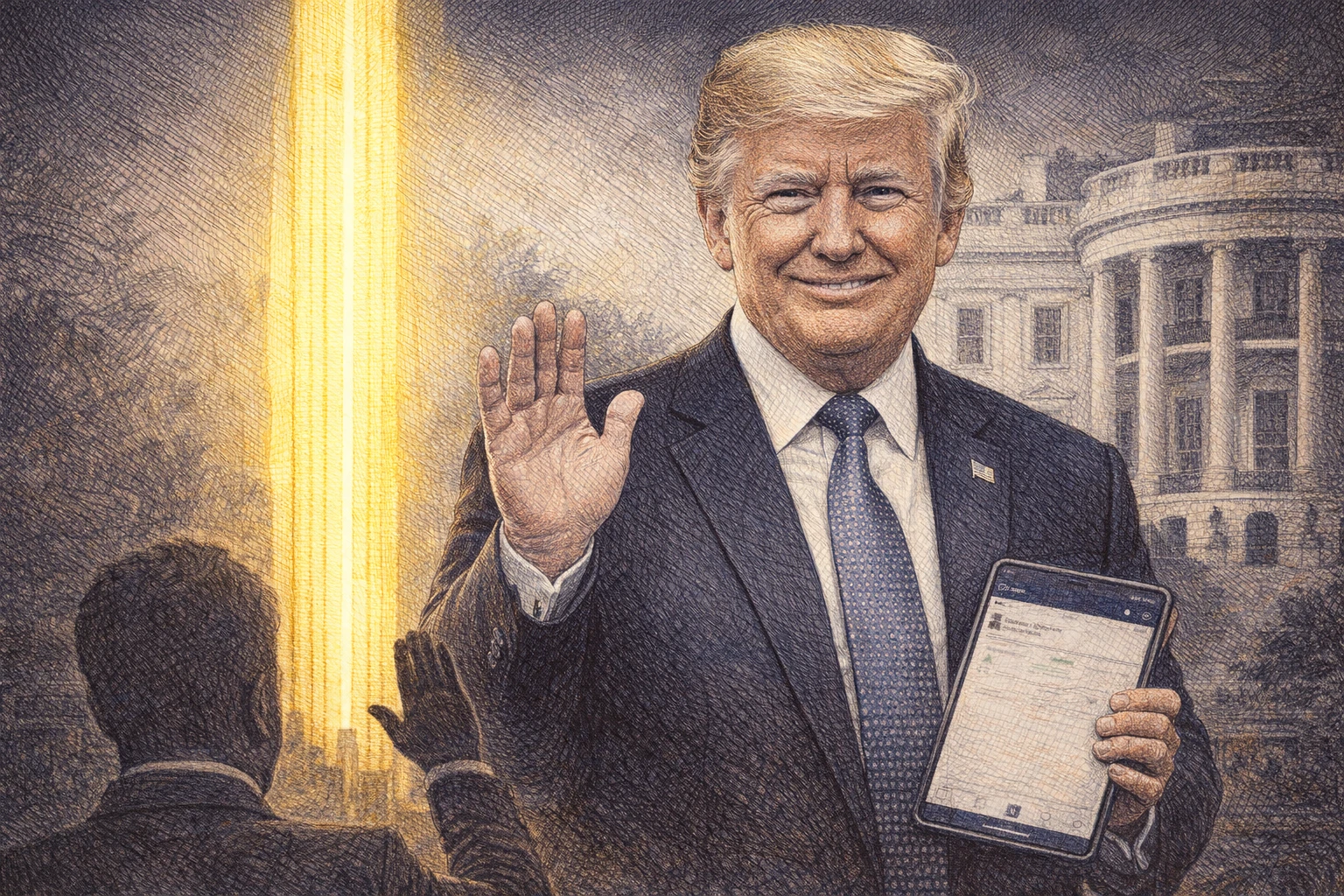
Micron Technology poured $250 million into the Trump-endorsed child savings plan, known as "Trump Accounts." The return? A personal shoutout from President Trump on Truth Social, praising CEO Sanjay Mehrotra for a "tremendous move" and calling it the largest investment of its kind. Tech giants are shifting from lobbying to public charity plays.
What Exactly Are Trump Accounts?
The Trump Accounts originate from last year's tax reform bill. Any U.S. child under 18 with a Social Security number can open one, with contributions allowed from individuals, employers, and third parties. Assets grow tax-free like an IRA and are inaccessible until adulthood. The program is slated to launch July 4, though withdrawal rules and investment options remain undefined.
Micron's funds target Idaho, New York, Virginia, California, Colorado, Minnesota, and Texas — all states where it operates facilities. The deployment is split: employees with children under 18 get up to $1,000 in matching contributions; eligible community kids receive a one-time $250 deposit. It's a triple play: employee retention, community PR, and political alignment.
Who Stepped Up Earlier?
Dell founder Michael Dell and his wife Susan pledged $6.25 billion in December, targeting children under 10 in households with median income below $150,000 — 25 times Micron's sum. The White House has reportedly approached AI firms and SpaceX for seed capital. Micron is just the first in line.
When Corporate PR Looks Like Political Donations
The ritual raises eyebrows: a company writes a check, the president thanks them publicly. The line between philanthropic PR and political contributions erodes. Money goes to children's accounts, but the return is measurable political favor, bypassing traditional donation disclosure. If paying buys a presidential shoutout, non-participating firms risk being seen as disloyal. That's the core of the "White House ATM" criticism.
Micron isn't alone. From Dell's billions to whispers of AI companies and SpaceX joining, tech giants are racing to curry favor with Trump. It's a competitive game: higher bids earn better access to policy perks. But the philanthropic disguise is wearing thin. The implicit deal-making between tech and the executive branch is rewriting Silicon Valley's playbook.