


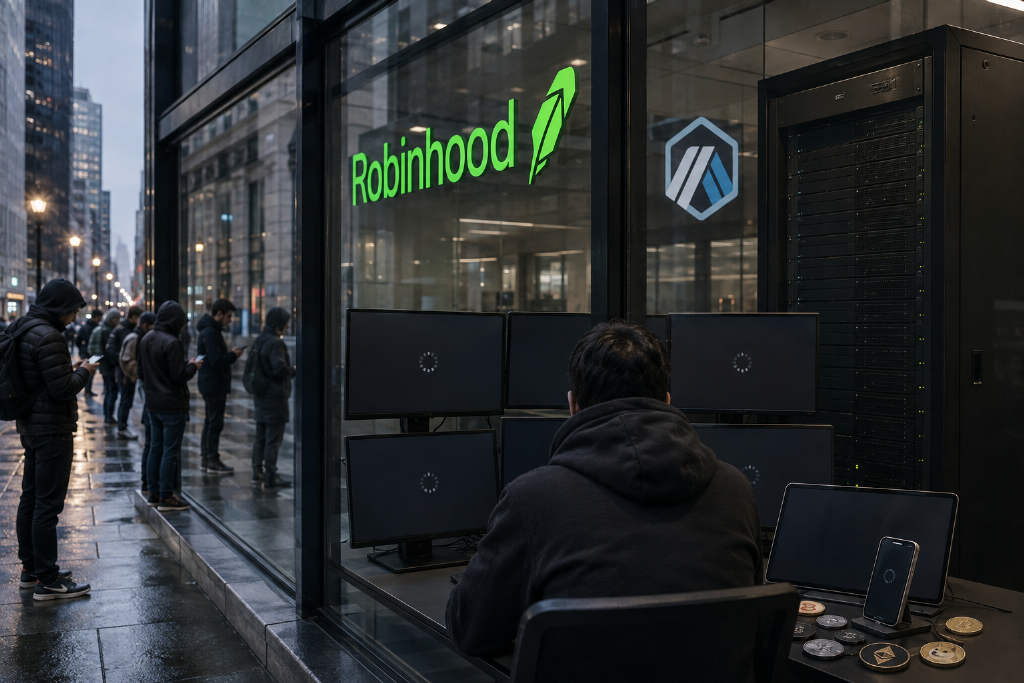
Robinhood Chain Suffers Outage, Transactions Stuck
The crypto crowd got jolted on the evening of September 4 after Robinhood Chain, the Layer 2 network built on Arbitrum Orbit, went through a temporary outage. Around 8:55–9:00 PM Taipei time, several news aggregators and users said the network had frozen up: transactions sat in pending, and decentralized exchange (DEX) interfaces just kept loading. No end in sight.
On-chain data backed that up. The network’s centralized sequencer—the part that orders and bundles transactions—had stopped working. The block explorer quit producing new blocks, and the latest block stayed stuck at 190,926 for several minutes. That��s a sharp break from the chain’s usual ~0.1-second block time.
Official Status Page Unaware, Users Frustrated
And here’s the frustrating part: Robinhood Chain’s official status page still showed "All Systems Operational / 100% Uptime," with no incident reports for the past 7 days. That mismatch annoyed users who were trying to verify whether the outage was real. As of press time, Robinhood has not put out an official statement about the incident. The outage hit only the Layer 2 network; Robinhood’s stock and crypto trading apps were not affected.
Meme Coin Mania Blamed for Overloading Centralized Sequencer
Community analysis is pointing at the centralized sequencer as the source of the problem. Robinhood Chain runs on Arbitrum Orbit, and the sequencer is the piece that gathers, orders, and packages user transactions. Lately, the network has been flooded by meme coin speculation, pushing transaction volume and active addresses to record levels. Gas fees climbed from pennies to several dollars.
With that kind of traffic, the centralized sequencer likely got overloaded and stalled. And once that happened, the whole chain stopped. Users have no way around this setup. Similar short outages have happened on other L2 networks, and assets already on-chain are usually safe, but pending transactions may need to be re-submitted or accelerated after the network comes back. Users are advised not to keep sending the same transaction again and again, because that can cause Nonce conflicts.
Background: Robinhood Chain's Rapid Growth and Centralization Risks
Robinhood Chain has grown fast since launch. At times, its daily revenue has topped Ethereum’s, and TVL reached $540 million in August. But the meme coin craze has drowned out the chain’s original purpose as a venue for tokenized stocks. So this outage brings back an old worry: the centralization risk in L2 networks, where one sequencer failure can stop the entire chain.