
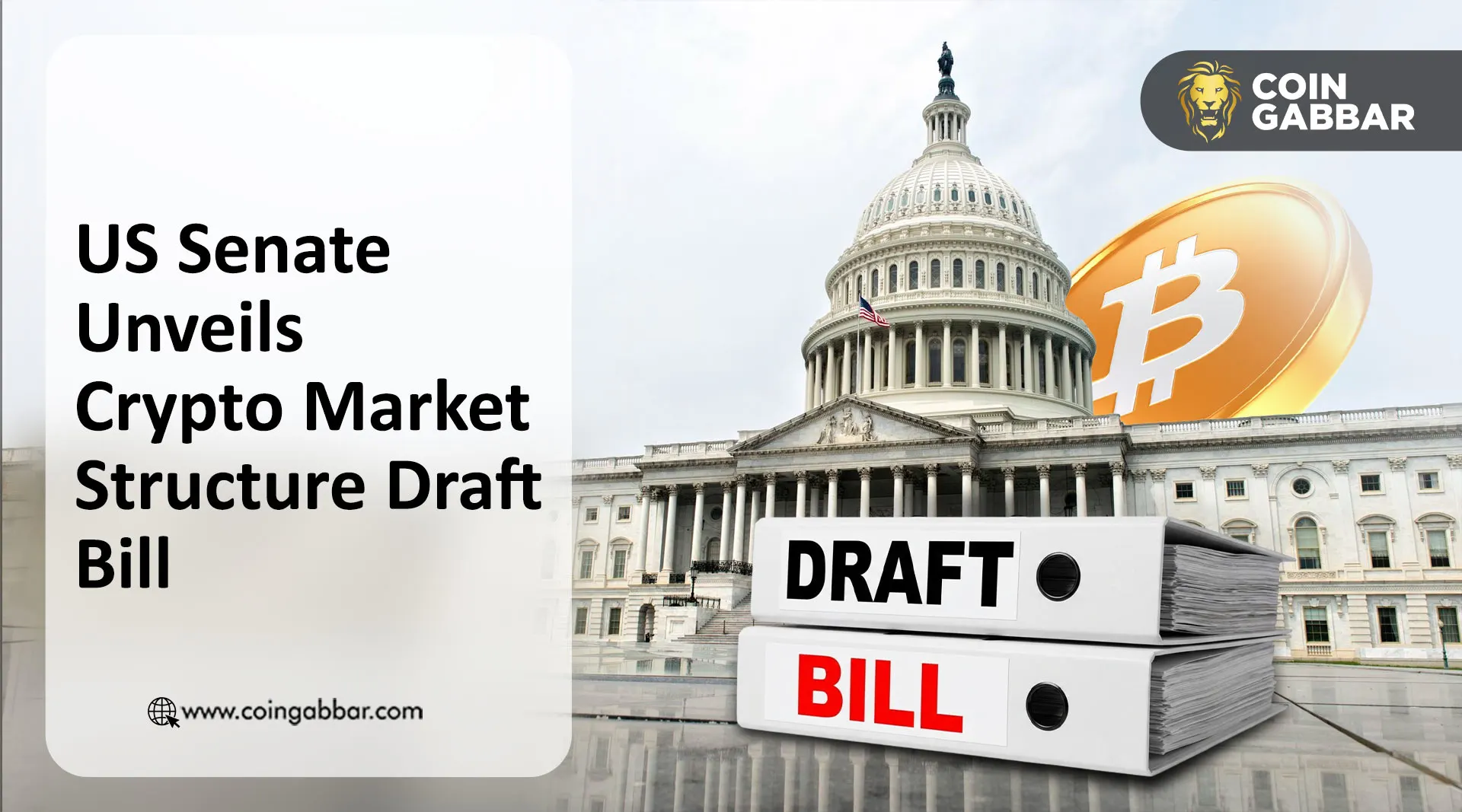
Senator Tim Scott, Chairman of the Senate Banking Committee, finally released a long-awaited draft of the US crypto market structure bill, formally titled the Digital Asset Market Clarity Act of 2026, or the CLARITY Act. The 278-page bipartisan draft aims to resolve years of regulatory uncertainty by providing clear rules for exchanges, brokers, and digital asset platforms.
Clear Jurisdiction Split Between SEC and CFTC
The most critical provision defines how cryptocurrencies are regulated: the Securities and Exchange Commission (SEC) will oversee digital assets that function like securities, while the Commodity Futures Trading Commission (CFTC) will govern non-security virtual commodities such as Bitcoin and Ethereum. This ends the long-standing ambiguity over which agency has authority. The bill also permits stablecoin interest and rewards under specific stablecoin rules, preserving innovation with consumer protection. Additionally, it blocks the Federal Reserve from using central bank digital currencies (CBDCs) for broad monetary policy, restricting them to individual services.
Protections for Blockchain Developers and Users
The legislation includes legal protections for blockchain development, staking programs, airdrops, and bankruptcy treatment of digital assets. Developers and projects can now operate with greater legal certainty, while users' staking rewards and airdropped tokens receive clearer legal status.
Bipartisan Support and Institutional Shift
Crypto-friendly Senator Cynthia Lummis emphasized that the draft enjoys bipartisan support and could allow innovation to remain in the US while protecting consumers. Market observers expect that with regulatory clarity, banks, ETFs, and traditional funds will enter the market more confidently, boosting liquidity and price stability. Exchanges and DeFi platforms gain legal pathways for staking, airdrops, and governance activities.
Challenges: Compliance Costs and Phased Implementation
The bill is not without concerns. Smaller projects may face increased compliance costs, and some tokens must meet new maturity criteria. Full implementation will likely take 1-2 years, with phased adoption starting in 2027-2028. Yet overall sentiment remains bullish.
The Senate Banking Committee has scheduled a markup vote for January 15, 2026, with potential input from the Agriculture Committee on CFTC-related matters. If passed, the US crypto regulatory landscape would undergo a historic shift.