News

Polymarket
2026-07-23 17:34:43

Report says Nigel Farage aide’s Polymarket account received $8.8 million

George Cottrell, a convicted fraudster and backer of Nigel Farage, received about $8.8 million into his Polymarket account in October 2024, according to a Financial Times report cited by Protos. The account, under the username GCottrell93, allegedly received $7 million across five transfers from a wallet on OKX and another $1.83 million from a wallet on ChangeNOW. The report said the money was moved into bets on whether Donald Trump would win the US election almost immediately after arriving. The Financial Times also said roughly $13 million in winnings was later sent to an OKX wallet, while $282,000 went to ChangeNOW. Cottrell was convicted of wire fraud in March 2017 after agreeing to launder proceeds from drug trafficking. His links to Farage have drawn fresh scrutiny over the past year, including claims that he funded staffing, security, and housing for the Reform UK leader before his 2024 election, support that was reportedly not declared and has since been referred to the UK Parliamentary Commissioner for Standards. Separately, Byline Times reported that Cottrell had previously used a fraudulent Swiss passport under the name Oscar Drewitt, and said former Reform UK treasurer Mehrtash A’zami knew of that identity.

160
Report says Nigel Farage aide’s Polymarket account received $8.8 million
Brazil
2026-07-23 17:31:17

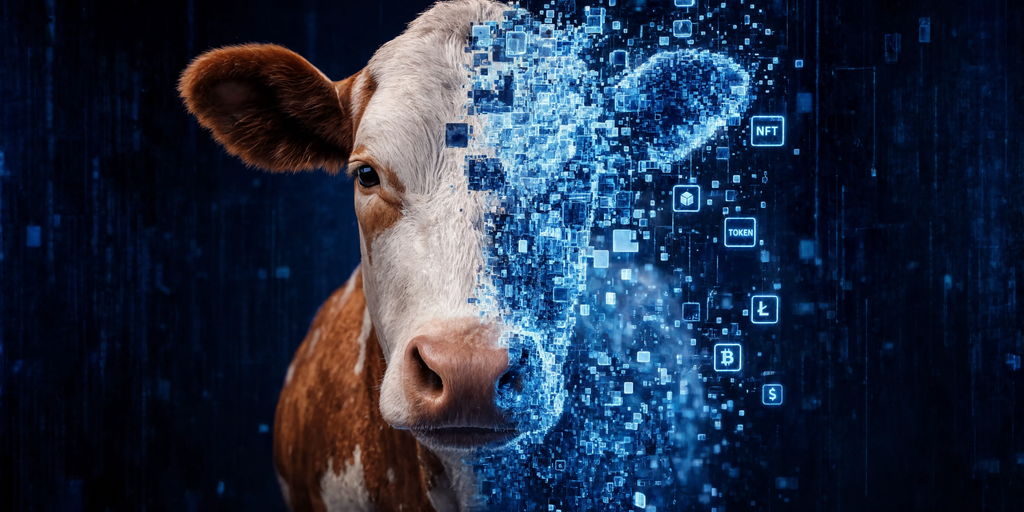
Brazil puts tokenized cows on the books as farmers use livestock to secure loans

A dairy farm in Paraná, Brazil has used 10 cows as collateral in what Decrypt described as the first livestock-backed transaction formally registered on the country’s stock exchange. The animals, valued at R$120,000, were used to secure a R$100,000 rural credit certificate from BMP, a direct credit company authorized by Brazil’s central bank. BMP then sold the credit rights to Target FIDC, which registered the structure on B3. The model relies on Cowmed’s smart collars, which collect health, behavior, and location data from each cow. Those data points are hashed into a unique encrypted digital identifier tied to the credit contract, allowing the animals to be treated as tokenized collateral without an on-site farm inspection. Supporters of the structure say that kind of monitoring could reduce the heavy discount banks usually apply to livestock because lenders often cannot verify an animal’s condition or whether it is still alive. The transaction comes as Brazil’s agribusiness sector faces tighter credit conditions. Serasa Experian said bankruptcy protection requests in the sector reached 1,990 in 2025, up from 534 in 2023. Cowmed says it now monitors 100,000 cows across 1,200 farms in six countries and expects part of that herd to be used as tokenized collateral over the next two years.

480
Brazil puts tokenized cows on the books as farmers use livestock to secure loans